
Screen Fabrics After the Sale: What Long-Term Supply Partnerships and Support Really Look Like
After-sales support in screen fabric sourcing is not a service desk you call when a roll looks wrong. It is the set of written terms, agreed test methods, documentation and change rules that allow a blind or awning manufacturer to order the same sunscreen fabric in year three and receive a roll it can process without re-engineering its assembly line. This guide answers the questions buyers actually ask when a single purchase turns into a repeat supply relationship.
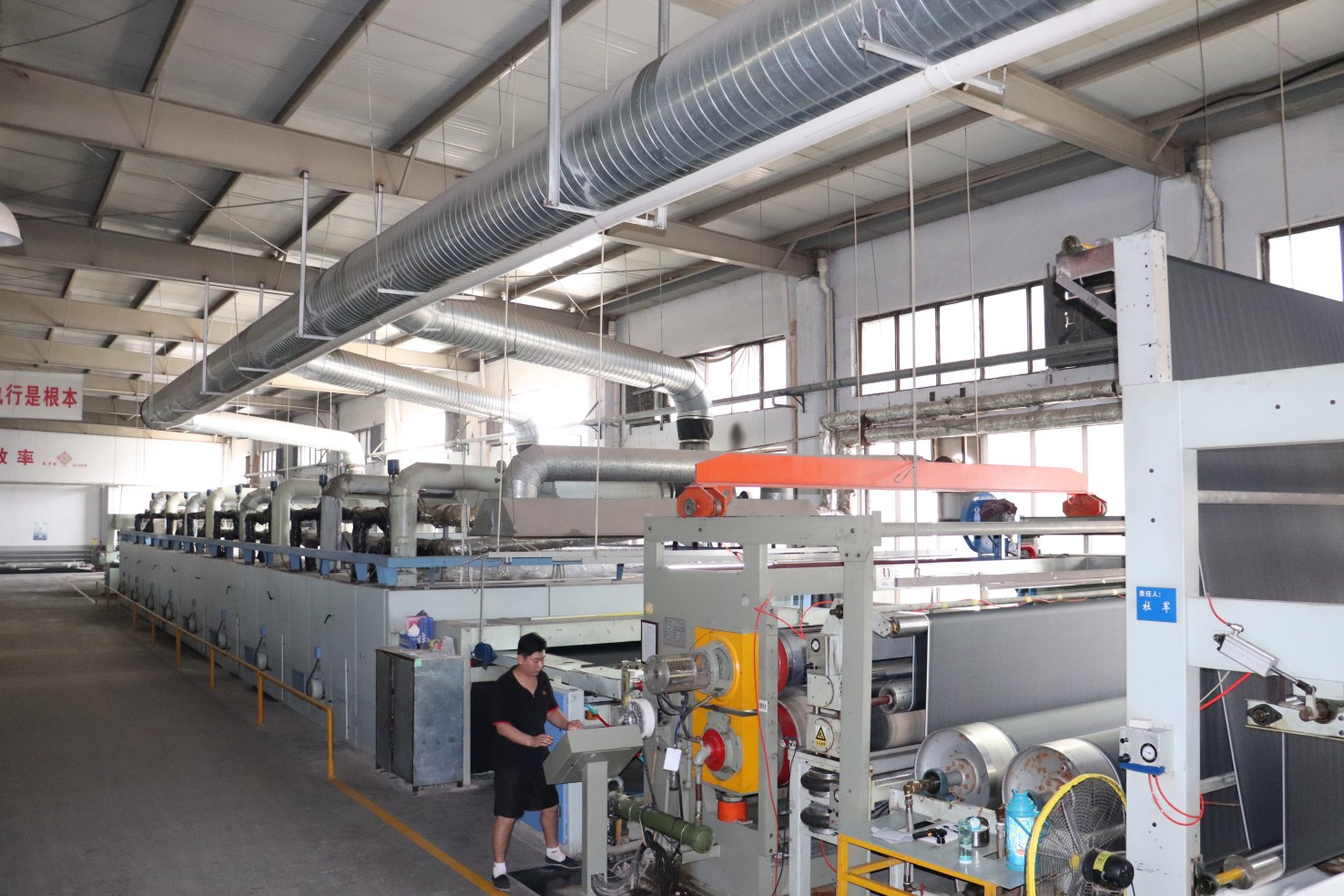
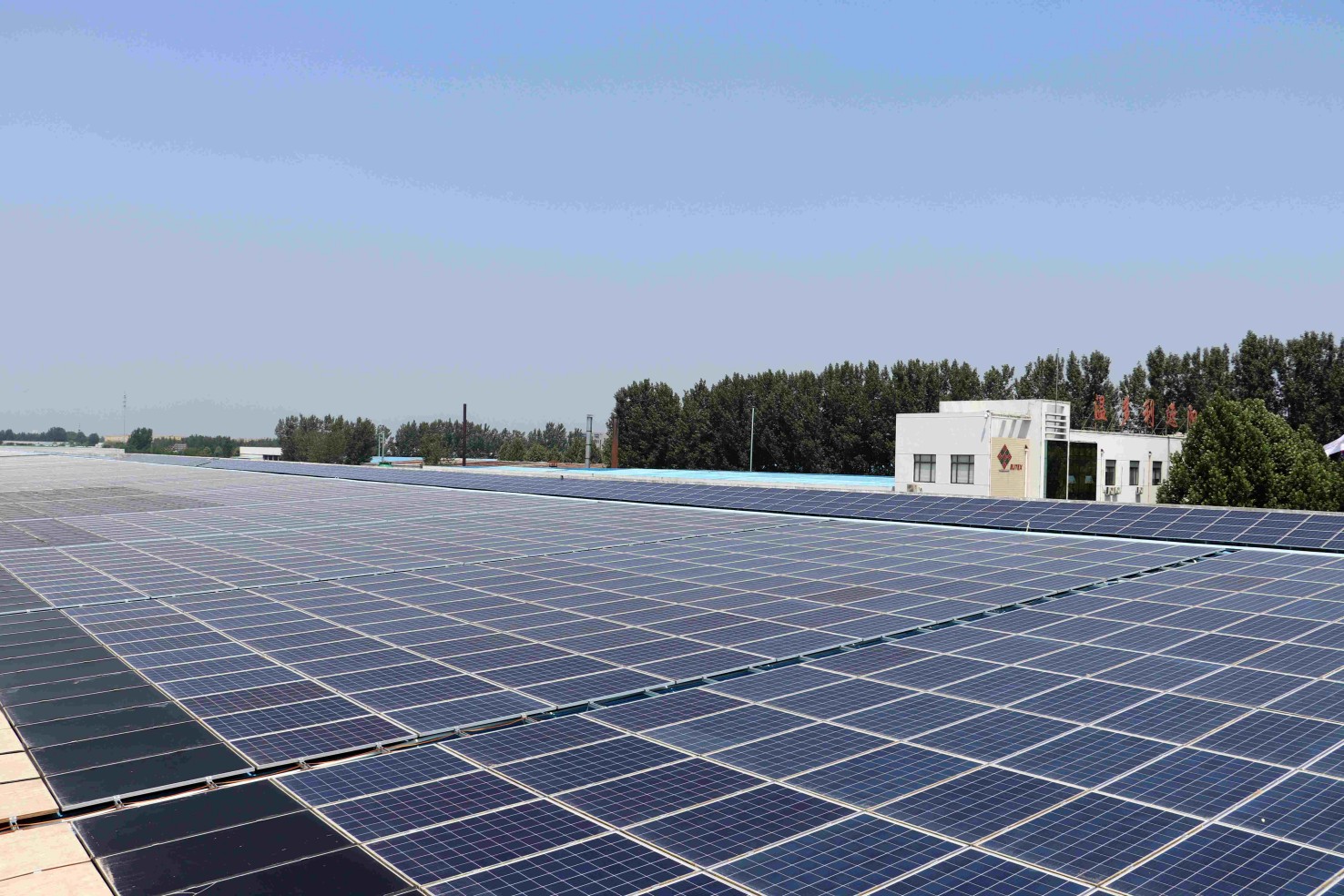
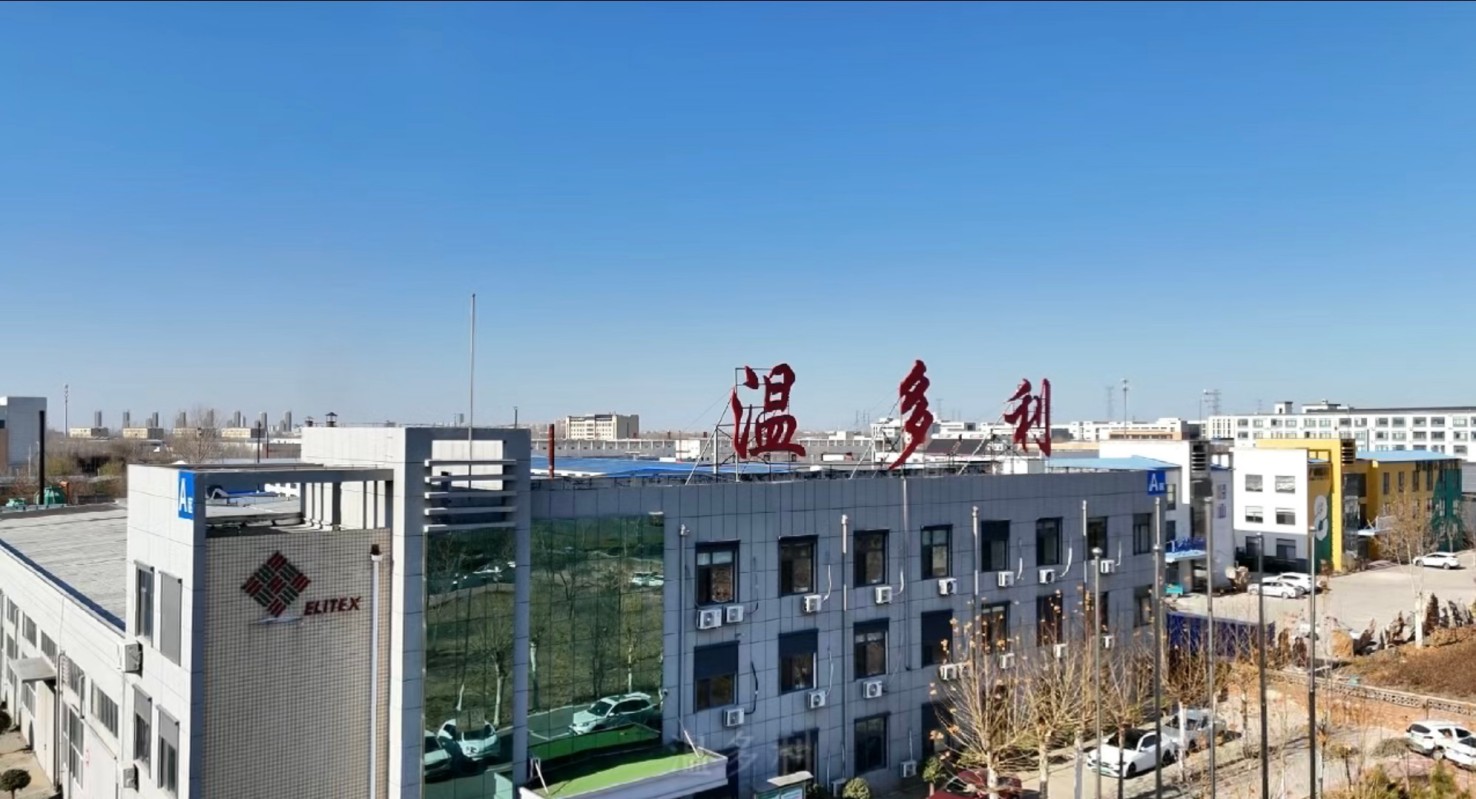
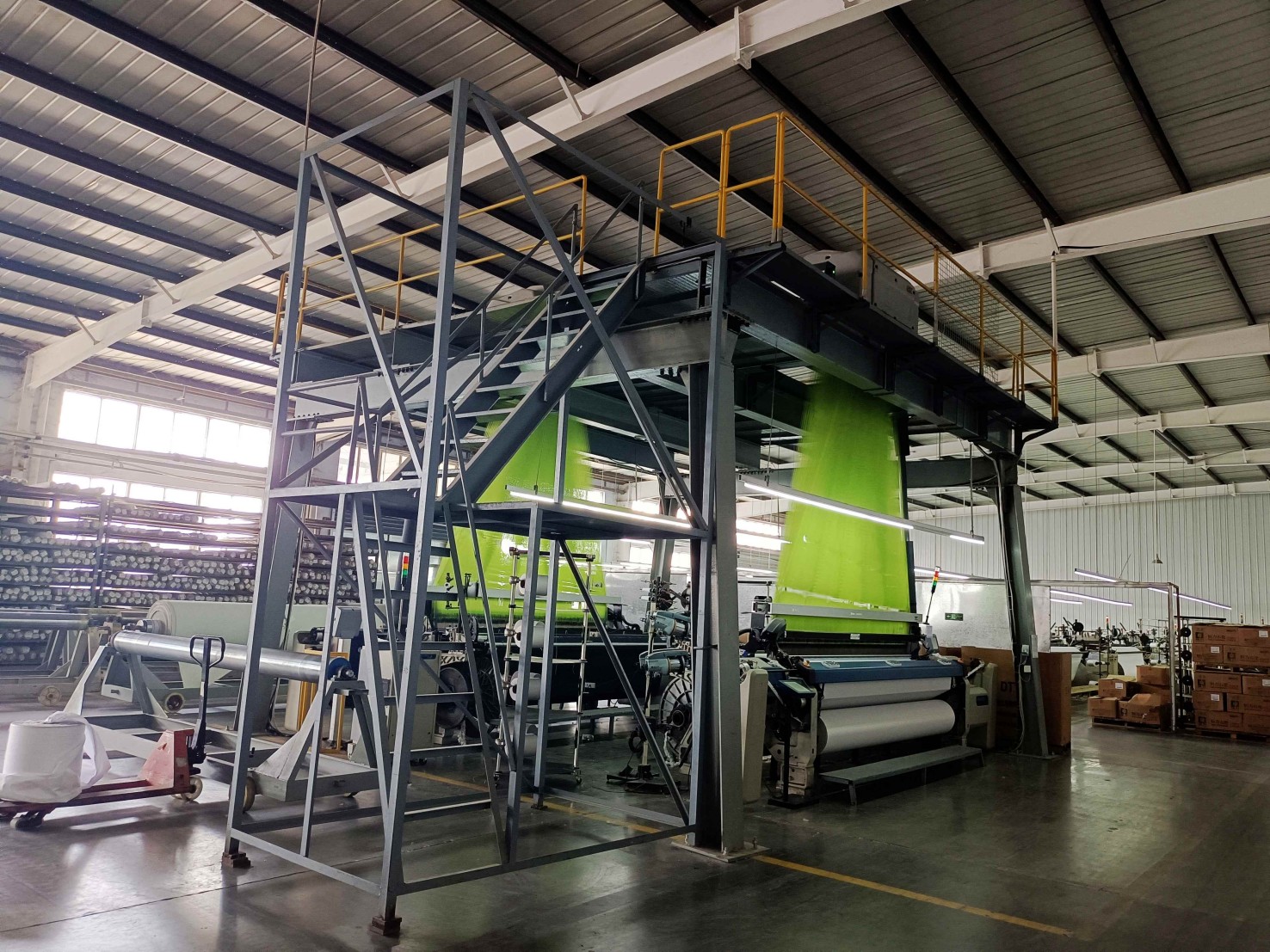
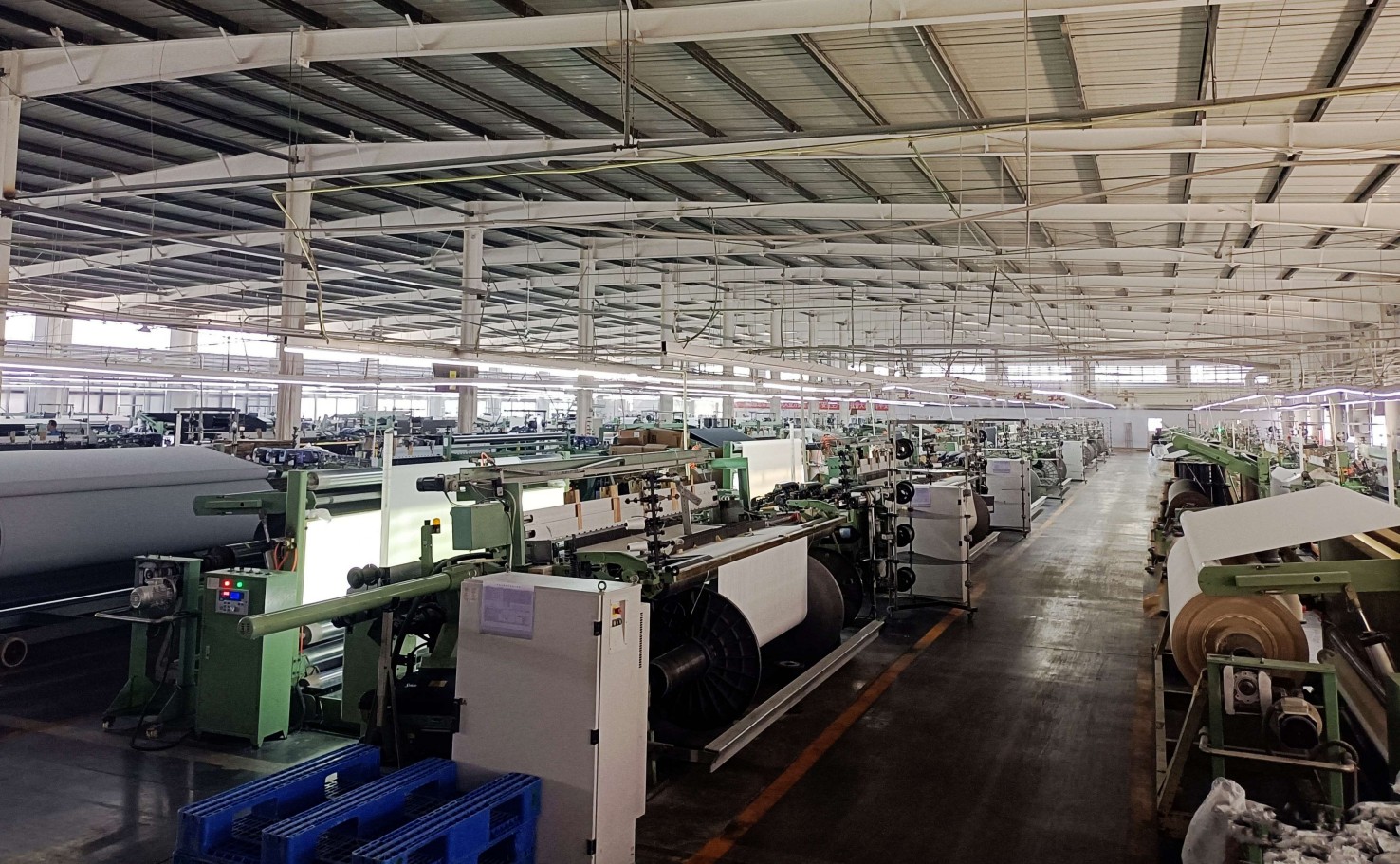
Elitex (Dezhou) Co., Ltd. is a manufacturer of sunscreen, translucent, blackout and other specialised sunshading fabrics, established in 2003 and operating an 85,000 m² facility in Dezhou, Shandong Province, China, with roughly 80% of output exported to markets including the USA, EU, Australia, South East Asia and the Middle East. Its published product and procurement information — including the terms discussed below — provides the reference points for the answers that follow, and you can review the company profile at Elitex (Dezhou) Co., Ltd.
What does after-sales support actually mean when the product is a roll of fabric?
Direct answer: in this industry, after-sales support consists of four practical elements, and only one of them is about responding to complaints. The other three have to be settled before the first shipment.
- Commercial terms fixed in writing. Minimum order quantity, delivery basis, payment method and the point at which responsibility for the goods transfers.
- Acceptance criteria with a test method attached. Not "good colour" or "consistent quality", but named properties measured a specified way and compared to a recorded reference.
- A document pack that travels with the goods. Batch identification, test records and the certification relevant to the specific product and market.
- A practised mechanism for the batch that fails. Who inspects, who pays for re-testing, what disposition options exist and how quickly a replacement is scheduled.
In Elitex's own procurement FAQ, the company states that minimum order quantity is customised upon communication, delivery runs through international logistics, acceptance combines pre-shipment inspection with third-party laboratory testing, and payment is by bank transfer. Read as a partnership document rather than a price list, those four lines define what the supplier will be measured against for the whole life of the relationship — and they are the reason it is worth confirming them in writing rather than leaving them in an email thread.
The practical test. If you cannot answer "what exactly will be measured, on which sample, against which reference, and who signs the result?" about your current sunscreen fabric order, you do not yet have an after-sales arrangement. You have a hope and a shipping schedule.
Why do screen fabrics drift between orders more than buyers expect?
The core problem is that screen fabric is bought on appearance and performance but produced as a coated textile, and the properties that matter most are not the ones you can see across a showroom table. Two rolls can look identical under interior light while differing in coating weight, backing, openness or finish — and the difference only appears after a season of sun, tension or cleaning. A long-term partnership is essentially an agreement about which of those hidden variables must stay fixed.
Screen fabric risk is not a single failure mode, which is why a single acceptance clause is not enough. Industry documentation for sunshade fabrics groups the recurring issues as fading, mildew, fire hazard, UV degradation and dimensional instability. Each one maps to a different control and therefore to a different line in your specification:
- Fading and UV degradation are addressed by UV-stabilised treatment and verified through light-exposure testing, not visual comparison.
- Mildew is addressed by anti-mildew coating, which matters most for humid and coastal installations.
- Fire hazard is addressed by fire retardant certification, and a certificate is only useful if you know which product, which test and which validity period it covers.
- Dimensional instability is addressed through material and process control, and it shows up in fabrication — cutting, welding and tensioning — rather than in the fabric roll itself.
Elitex's stated control measures follow the same mapping: UV-stabilised treatment, anti-mildew coating, fire retardant certification and 100% quality inspection, supported by in-house laboratory testing, third-party certification, an ISO 9001 quality management system and strict raw material screening. For a buyer, the value of that list is not that it exists, but that each item can be attached to a specific acceptance criterion you can audit.
The specification has a shelf life, and so does the certificate
Two slow-moving forces make long-term supply harder than a first order suggests. The first is certification turnover. Elitex ScreenView Eco, in 1%, 3% and 5% openness, holds Cradle to Cradle Certified Circularity Bronze under Standard Version 5.0, a certification recorded with a validity through 29 July 2029. A certificate with an expiry date is a useful test of a partnership: a transactional supplier sends you the PDF once, while a partner tracks renewal and tells you before your green building submission depends on a document that has lapsed.
The second is regulatory drift in the material itself. Projections cited for the antimony-free polyester market put it at USD 1.07 billion by 2030, driven partly by EU REACH and FDA requirements. Whether or not your current specification references antimony-free or halogen-free construction, the direction is clear: composition requirements change within the lifetime of a supply relationship, and a partner is expected to notify you rather than substitute quietly.
Volume planning adds a third pressure. Transparency Market Research projects the European external blinds market reaching USD 22.9 billion by 2034, growing at a 3.9% CAGR across 2024–2034. Fabrics that feed roller, ZIP screen and external shading systems will be planned in larger, longer cycles — which raises the cost of a specification that cannot be repeated.
What should be agreed before the first bulk order ships?
The steps below are the working backbone of a supply partnership. They are deliberately written as preparation for a buyer, so each one can be requested in a first meeting rather than discovered in a third shipment.
- Freeze the specification as a revision-controlled document. Record construction, openness factor, coating type, backing, colour reference, roll width and put-up. Give the document a revision number and a date. Without this, "the same fabric as last time" is a verbal instruction, not a specification.
- Attach a test method to every acceptance criterion. Colour fastness is the clearest example: Elitex ScreenView interior and exterior fabrics are reported at Grade 6–7 when tested under ISO 105-B02-2014. A grade without the standard behind it is unusable in a dispute; a grade with a standard is auditable.
- Agree the inspection regime in two layers. Pre-shipment inspection catches visible and dimensional issues before the container leaves. Third-party laboratory testing catches the properties no inspector can see. Both appear in Elitex's stated acceptance criteria, and both should appear in yours.
- Define grading and disposition rules in advance. Decide how many rolls may fall outside tolerance per shipment, what evidence a claim requires, and whether the remedy is replacement, credit or rework. Agreeing this while both sides are friendly is the entire point of agreeing it.
- Specify the document pack per shipment. At minimum, a batch identifier that ties the rolls to production, the relevant test records, and a copy of the applicable certification with its validity dates. Ask how long those records are retained and how a reorder two years later is traced back to them.
- Write a change-control clause. Name the items that cannot change without written notice and a re-approval cycle: coating formulation, backing, resin system, yarn source, mill of manufacture, and any change that affects fire or sustainability certification. Silent substitution is the most common way a good first order becomes a bad third order.
- Fix the commercial mechanics in the contract. Minimum order quantity set by discussion, delivery through international logistics, payment by bank transfer — these are Elitex's stated terms, and the practical step for a buyer is to have your own volume tiers, delivery responsibilities and payment schedule recorded in the same document rather than inferred from a quotation.
How do you turn an acceptance criterion into something a factory can actually inspect?
An acceptance criterion is only real when three things are specified: the property, the method, and the sample. Take the two most commonly contested properties in screen fabric supply.
Colour and light fastness
Fading is the complaint buyers raise most often after a season of exposure, and it is the easiest to pre-empt. Specify the test standard, the grade threshold and the reference sample. Where a supplier reports Grade 6–7 under ISO 105-B02-2014 for its ScreenView interior and exterior series, that figure becomes your baseline — and every repeat order must be measured against it, not against a memory of the original shade.
Solar performance on aluminised and silver-backed fabric
For Aluminized Sunscreen Fabric, performance sits in the reflective surface rather than the base cloth. Elitex reports a solar reflectivity of ≥85% and a Solar Heat Gain Coefficient of ≤0.2 for its Aluminized Silver Screen Series. Those two numbers are the ones most likely to move if a backing or coating changes, and they are invisible to a visual inspection — which is precisely why repeat orders need a measured result, not a shade card.
Two layers, not one. 100% quality inspection as a production control and independent third-party laboratory testing are different assurances. The first confirms that every roll passed the producer's own checks; the second confirms that the producer's checks are measuring the right thing. A partnership needs both, and a buyer should know which one produced the document in front of them.
How is consistency sustained across repeat orders for different fabric tiers?
Long-term supply is not one problem solved once. Aluminized Sunscreen Fabric and Budget Sunscreen Fabric fail in different ways, and a partnership that treats them identically will protect neither.
Aluminized Sunscreen Fabric: performance drift
The visible fabric can stay identical while the reflective behaviour changes, because the critical variable is a coating and backing system rather than the weave. A repeat-order protocol for this tier therefore re-measures rather than re-inspects: reflectivity and SHGC on each production batch, recorded against the original approved values of ≥85% and ≤0.2, with the tested face of the fabric clearly stated on the report. Buyers should also ask which physical components are locked by the change-control clause, because that is what actually keeps the measurement stable.
Budget Sunscreen Fabric: substitution pressure
The cost-driven tier carries the opposite risk. Because the commercial case rests on price, the temptation across a multi-year relationship is to reach the price point by changing something invisible — yarn, finish, or the width actually delivered per roll. The protection is not a heavier test regime but an identical one: the same frozen specification, the same document pack and the same reference sample as the premium tier, applied without a lighter version. A budget fabric supplied under a strict agreement is a reliable product; a budget fabric supplied under a verbal understanding is an unmade decision.
The mechanism that holds both tiers together
Three habits do most of the work: a retained reference sample per specification revision, a shipment record that links each delivery to its batch and test data, and a single agreed test method used for the first order and every order after it. When all three exist, a disagreement becomes an administrative question rather than a commercial one.
What does this look like in practice?
The following are illustrative configurations, not descriptions of specific customer projects. They show how the same agreement elements apply to different buying situations.
A European ZIP screen fabricator reordering annually. The buyer freezes an exterior sunscreen specification with a light-fastness threshold and a documented backing, then requires batch-level test records on every reorder. The partnership value is fabrication continuity: cutting programmes, welding settings and tension values stay valid because the fabric construction does not move between seasons. Certification validity becomes a calendar item rather than a surprise.
A distributor building a budget line for installers. Here the specification is deliberately simple — a narrow set of colours and widths under a Budget Sunscreen Fabric programme — but the acceptance criteria are not simplified. The distributor's exposure is reputational across hundreds of small installation jobs, so the value of a partner lies in consistent width, consistent shade and predictable replenishment rather than in technical depth.
A hotel or commercial refurbishment programme. Blockout and exterior sunscreen are bought together, often with a sustainability requirement attached. Cradle to Cradle Certified Circularity Bronze coverage for ScreenView Eco in 1%, 3% and 5% openness, valid through July 2029, is the kind of evidence that has to be current at handover, not at order date — which makes certificate tracking part of the supply relationship.
What belongs in a screen fabric supply agreement?
The table below consolidates the elements above against the evidence a buyer can point to when requesting them.
| Agreement element | What to agree | Why it matters after the sale | Reference point |
|---|---|---|---|
| Commercial terms | MOQ set by discussion, delivery basis, payment method, transfer of risk | Removes renegotiation from every reorder | Elitex procurement FAQ: MOQ customised upon communication; international logistics; bank transfer |
| Acceptance criteria | Named property, named test method, named sample | Makes a claim verifiable instead of arguable | Pre-shipment inspection plus third-party laboratory testing |
| Colour fastness | Standard plus minimum grade | Prevents seasonal fade disputes on exterior projects | Grade 6–7 under ISO 105-B02-2014 (ScreenView interior/exterior) |
| Solar performance | Reflectivity and SHGC threshold, tested face stated | Detects coating or backing drift invisible to inspection | ≥85% solar reflectivity, SHGC ≤0.2 (Aluminized Silver Screen Series) |
| Production control | Inspection coverage, laboratory testing, system standard | Shows whether the measurement system itself is controlled | 100% quality inspection; in-house lab; ISO 9001; raw material screening |
| Sustainability documentation | Certificate scope plus validity tracking | Keeps project submissions valid at handover | Cradle to Cradle Certified Circularity Bronze, Standard v5.0, valid through 29 July 2029 |
| Change control | Locked components and notice period | Prevents silent substitution across a multi-year programme | Coating, backing, resin, yarn source and mill named as controlled items |
Reference points restate supplier-published or third-party-published information; thresholds belong in your own specification and should be confirmed against the certificate or report issued for the product you buy.
Frequently asked questions
What are the purchasing terms and acceptance criteria for screen fabrics?
In Elitex's procurement FAQ, minimum order quantity is customised upon communication, delivery terms are international logistics, acceptance criteria combine pre-shipment inspection with third-party laboratory testing, and payment terms are bank transfer. For a long-term relationship, the useful next step is to convert each of those four items into a written clause with your own figures attached — your MOQ per colour and width, your Incoterm and delivery point, your test standards and thresholds, and your payment schedule.
Which documents should accompany an accepted shipment?
A batch identifier that links the delivered rolls to production records, the test results for the properties named in your specification, and a copy of any certification relevant to the product and market with its scope and validity dates. The test of a document pack is not whether it exists at the first order, but whether a reorder two years later can be traced to comparable records.
How do we verify that an aluminized fabric still meets specification on a repeat order?
Re-measure solar reflectivity and Solar Heat Gain Coefficient rather than relying on visual comparison, and require the report to state which face of the fabric was tested. Elitex reports ≥85% solar reflectivity and SHGC ≤0.2 for its Aluminized Silver Screen Series, so those figures form a baseline against which later batches can be compared. Reportedly stable appearance is not evidence of stable reflective performance.
Does a budget sunscreen fabric need a simpler supply agreement?
No. A cost-driven programme carries substitution pressure, so it needs the same frozen specification, the same reference sample and the same document pack as a premium tier. What can be simplified is the product range — fewer colours and widths — not the acceptance standard applied to them.
How should sample approval work before a bulk order?
Treat the approved sample as a reference record rather than a formality: keep a retained piece from the approved lot, record the shade reference, hand, weight and any measured property, and state which revision of the specification the sample represents. That single retained piece is what turns a future colour or performance discussion into a comparison against agreed data.
How should supply be planned across a full year rather than order by order?
Because minimum order quantity is set through discussion rather than published as a fixed figure, volume planning is where a partnership produces its clearest advantage: agree an indicative annual volume by fabric and colour, then convert it into a replenishment rhythm with your own seasonal peaks written into it. Planning also gives the supplier a reason to flag certification renewals and material changes before they affect you, which a one-off purchase never triggers.
Where can we review the full product range and specifications?
The Elitex Screenview Brochure 2026 documents the fabric series and is available for download here: Elitex Screenview Brochure 2026 (PDF). If your next step is to fix terms, acceptance criteria and repeat-order documentation for a specific fabric, the practical approach is to bring your draft specification to that conversation rather than receive a catalogue in return.
Conclusion: the partnership is the paperwork, activated
Long-term supply partnerships in screen fabrics are less romantic than the phrase suggests and considerably more useful. They look like a revision-controlled specification, an acceptance criterion with a standard attached, two layers of inspection, a document pack that traces a roll back to its batch, a change-control clause that names the components which cannot move, and commercial terms recorded once so they never need renegotiating.
The reason to build those elements early is that the properties buyers care about most — light fastness, reflectivity, dimensional behaviour — do not announce themselves at delivery. They surface after a season of exposure, in a fabrication run, or at a project handover where a certificate has to be current. A supplier who can be measured on all of them, batch after batch, is what after-sales support means in this industry. Everything else is a promise without a method.
Next step: take the specification you already use for Aluminized Sunscreen Fabric or Budget Sunscreen Fabric and check it against the table above. If the acceptance criteria name a property but not a test method, that is the first item to fix — and the right moment to open the discussion with the manufacturer, before the next order is placed.
Product range and technical documentation: Elitex Screenview Brochure 2026
Have Questions or Need More Details?
Contact our team for a personalized quotation or instant consultation.
Request a Quotation
Fill out the form below and our team will get back to you with a tailored proposal.
WhatsApp Direct Chat
Prefer to chat in real-time? Message us on WhatsApp for instant assistance & quick answers.
- Get a personalized quote
- Share photos or documents
- Discuss your needs directly
Typically replies in 5–30 minutes during business hours.