
Solving Light Leaks in Blockout Roller Blind Fabric: A Buyer's Problem-Solution Guide
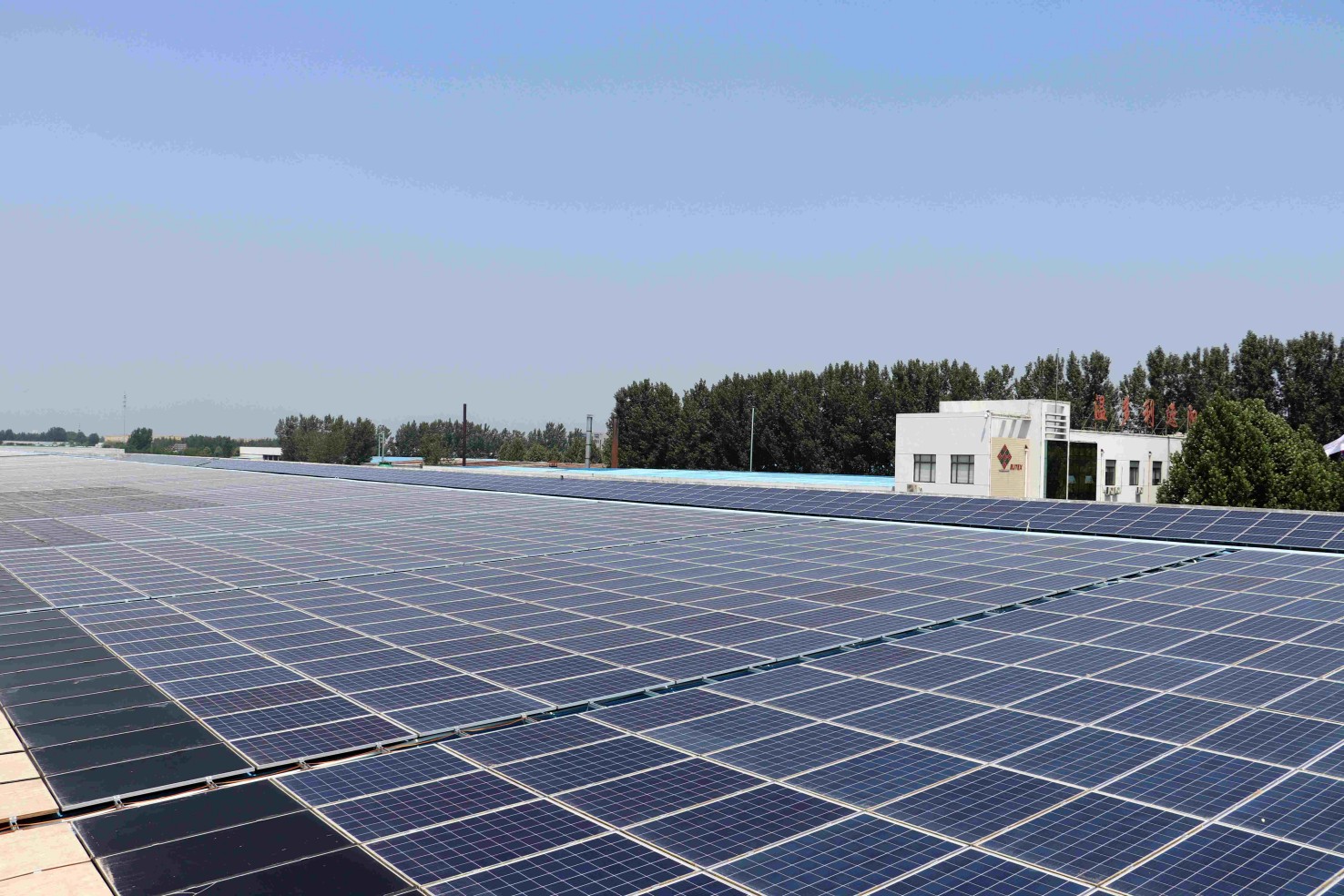
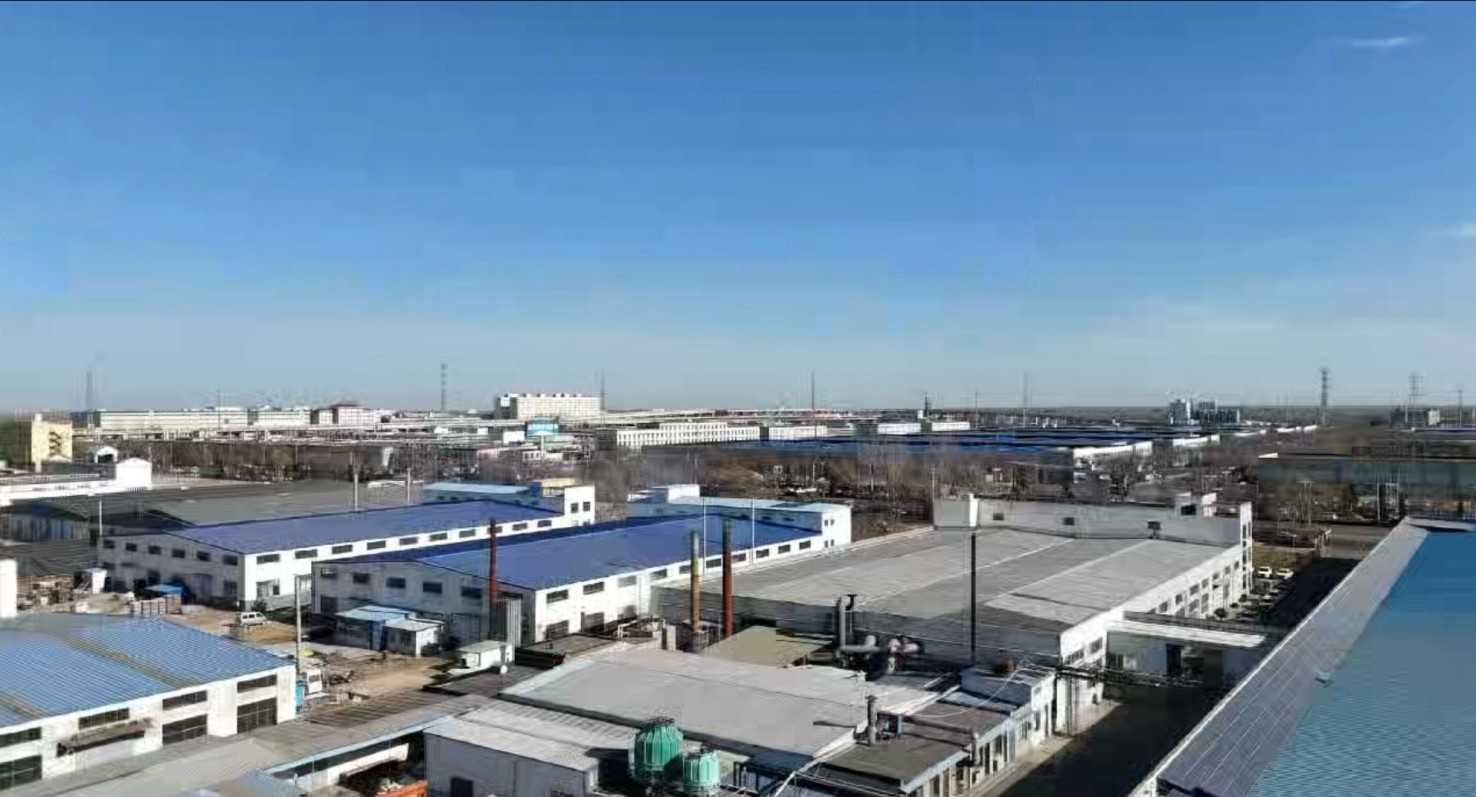
Figure 1 — Manufacturing base for sunshading and blockout fabrics: Elitex (Dezhou) Co., Ltd., Dezhou Economic Development Zone, Shandong Province, China.
A roller blind that was ordered as blockout can still leave a glowing halo around the edges, a grey cast across the face of the fabric, or a bright line along the hem. When a hotel, office or residential installation fails the darkness test, the fabric is the first suspect — and frequently the wrong one.
This guide is written for importers, distributors, blind fabricators and project specifiers whose blackout roller blind installations are not delivering the darkness the end user expected. It separates fabric-related causes from installation-related causes, explains how blockout, dimout and light filter categories actually differ, and sets out the steps to confirm the right blockout roller blind fabric before a purchase order is placed.
Problem Definition: Where Blackout Roller Blind Light Leaks Come From
Light leaks are rarely a single manufacturing defect. In practice they cluster into six recurring causes, and each one is confirmed or eliminated at a different point in the procurement process.
1. Category drift — "blockout" used for dimout and light filter products
The blocking performance of a blind begins with its fabric category. Light filter fabrics and translucent fabrics are designed to soften and diffuse daylight. Dimout fabrics reduce brightness and glare without producing full darkness. Blockout fabrics are opacity fabrics engineered to stop visible light transmission. When a dimout or light filter fabric is ordered against a brief that simply says "blockout", the leak is not a coating fault — it is the distance between the category specified and the category the room actually requires.
2. Perimeter and hardware losses
Light does not only travel through the fabric. It travels around it: through side gaps between the fabric edge and the window reveal, over the top of the roller tube, along the hem bar, and around any opening in the frame. No coating weight closes an edge gap. Side channels, an enclosed top box, correct overlap and accurate measuring are the controls, and they belong to the blind system rather than to the fabric roll.
3. Roll width, cut width and roll length planning
If the required cut width exceeds the available fabric roll width, the fabricator either joins panels or reduces edge cover — both create visible leakage points. Confirming maximum cut width, roll length and tolerances before ordering prevents a specification problem that cannot be corrected on site.
4. Coating type and coating uniformity
Knife-coated fabrics, paste coated fabrics and foam coated sunscreen fabrics are produced through different coating routes, and the uniformity of the coating layer is what determines whether thin spots, pinholes and uneven opacity appear. Rather than assuming that one route is universally better, buyers should ask the supplier to state the coating used, the substrate, and how coating uniformity is controlled and inspected.
5. Backing and substrate choices
100% Polyester with acrylic coating in PVC free constructions, blockout fabrics with metallic backing, and blockout jacquard fabrics solve different problems. A metallic backing targets radiant heat; a blockout jacquard delivers a woven pattern while retaining opacity; a PVC-free acrylic-coated polyester responds to material restriction requirements. Selecting on appearance alone can leave the darkness requirement unmet.
6. Dimensional instability and environmental ageing
A fabric that measures flat at commissioning can develop wave, edge curl or discoloration over time under humidity, heat and UV exposure, and that movement reopens perimeter gaps. The risk categories to control in a blockout fabric specification are fading, mildew, fire hazard, UV degradation and dimensional instability.
Industry Background: Why the Word "Blockout" Has Become Blurry
The commercial stakes behind these complaints are significant. Independent market analysis valued the global blackout fabric market at approximately USD 10.5 billion in 2024, with projections reaching USD 20.3 billion by 2034 (Vertex AI Search / Market Analysis 2025). North America accounted for 50.70% of blinds and shades revenue in 2025, valued at USD 3.62 billion (Fortune Business Insights). Polyester remained the dominant material for blackout fabric laminates, at an estimated 47.2% of the material segment in 2026 (Future Market Insights).
Market sizing should be treated as scope-dependent rather than precise: published 2024–2025 estimates range from USD 2.7 billion to USD 11.0 billion depending on whether the figure covers fabric only or finished blinds. None of those numbers is a useful benchmark for an individual purchase order, and none of them tells a buyer whether a specific roll of fabric will black out a specific room.
Two structural factors make light-leak complaints more common than the market growth rate would suggest:
- Terminology spread. "Blockout" is now applied across roller fabrics, vertical blinds fabrics, Roman blinds fabrics, decorative fabrics, and complete sunshading blinds fabrics. The same word therefore covers products engineered to very different darkness levels, and quotations that look comparable may not be.
- UV performance mistaken for darkness. UV blocking and visible-light blocking are different measurements. A fabric can deliver a very high UV blockage figure and still pass visible light. UV data must not be used as evidence of blackout performance.
Standards give buyers a reference point for the parts of performance that are classified rather than described. EN 14501:2021 specifies performance characteristics and classifications for solar protection devices in relation to thermal and visual comfort (CEN — European Committee for Standardization). In the United States, NFPA 701 is the flame propagation test applied to vertically hung textiles, including blackout curtains and blinds, in public and commercial spaces (National Fire Protection Association).
Material science explains why coating decisions matter beyond darkness as well: advanced blackout fabric laminates using polyester and acrylic coatings can improve thermal heat resistance by 20–35% (Blackout Fabric Laminates Market Growth Report). That figure matters where a roller blind is specified as part of a solar control and energy strategy rather than purely for privacy.
Detailed Solution: What to Confirm in the Fabric and the Supplier
Fabric-level confirmations
The first decision is the opacity class. Blockout fabrics are the correct answer where the requirement is darkness. Dimout fabrics and light filter fabrics remain valid where glare reduction and retained daylight matter more than full darkness. Once the class is agreed, the construction follows: 100% polyester with acrylic coating in PVC-free construction where PVC is restricted; knife-coated or paste coated depending on the coating route the supplier can document; blockout jacquard where a woven pattern is required without giving up opacity; and blockout fabrics with metallic backing where radiant heat control is a stated objective.
Finish capability is worth checking at the same time, because it indicates how broad a mill's coating and finishing platform is. A manufacturer that also produces water and soil repellent upholstery dobby fabrics, decorative fabrics, and translucent or light filter jacquard constructions is working with the same coating, drying and inspection equipment that runs on blockout production.
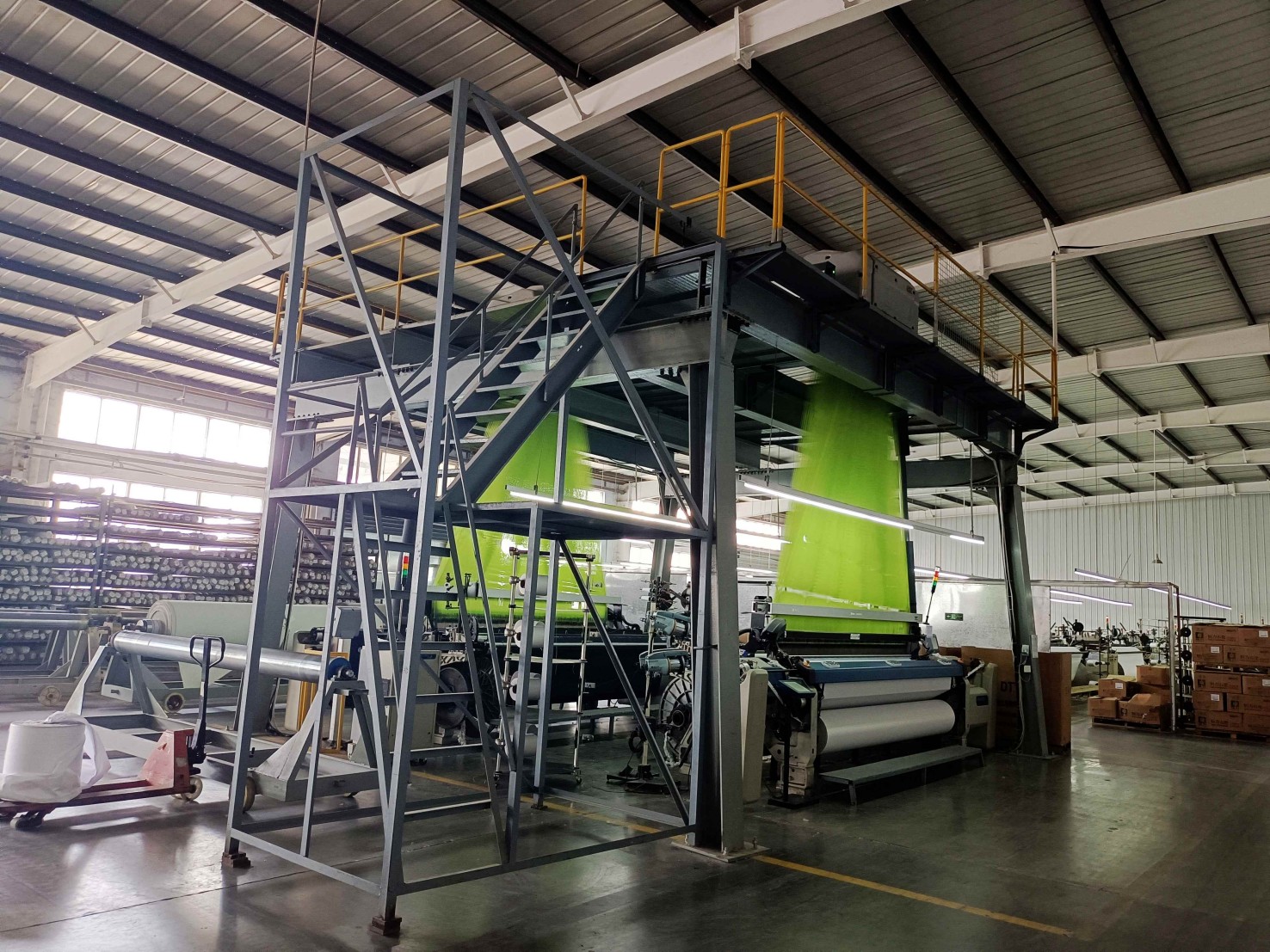
Figure 2 — Coating, finishing and handling of blockout and sunshading fabrics at the Elitex (Dezhou) facility.
Supplier-level confirmations
For buyers sourcing blockout roller blind fabric at volume, the supplier's quality system is the practical guarantee behind the fabric. Elitex (Dezhou) Co., Ltd. is a China-based manufacturer of sunshading and blind fabrics established in 2003, operating from an 85,000 m² facility in Dezhou, Shandong Province, with 259 employees and a 36-engineer R&D team. Annual output is 8,000,000 m² of screen fabrics and 7,200,000 m² of blockout fabrics, and approximately 80% of production is exported to customers in the USA, EU, Australia, North America, South East Asia and the Middle East.
Risk control in production is organised around five failure categories — fading, mildew, fire hazard, UV degradation and dimensional instability — addressed through UV-stabilized treatment, anti-mildew coating, fire retardant certification and 100% quality inspection. Supporting measures include in-house laboratory testing, third-party certification, an ISO 9001 quality management system, and strict raw material screening. For a buyer diagnosing light-leak complaints, these are the controls that map most directly onto the causes: coating uniformity, dimensional stability, and long-term colour and surface retention.
Performance-grade versus commodity fabric
Where a specification includes a long service life, high UV exposure or an energy-performance objective, the difference between a performance-grade blockout fabric and a commodity or non-customized blind fabric becomes measurable. The comparison below reflects supplier-side product data and should be verified against the specific product and project rather than assumed.
| Comparison dimension | Performance-grade blockout / sunshading fabric | Commodity or non-customized blind fabric |
|---|---|---|
| UV blocking | 95%+ (supplier product data) | Approximately 80% (supplier product data) |
| Expected service life | 5–10 years | 3–5 years |
| Long-term cost position | Approximately 15% lower long-term cost, attributed to longer service life and energy saving | Baseline |
| Maintenance expectation | Zero maintenance, anti-fade and anti-mildew, no regular replacement | Not stated in the same product data |
| Energy effect | 30%+ higher energy efficiency; HVAC load reduction of 30%+ | Not stated in the same product data |
| Documented differentiators | Higher UV protection, customized solutions, longer durability, fire retardant certification | Non-customized supply |
| Typical applications | High-end commercial buildings, luxury hotels, green building projects, high UV exposure areas | General use |
Note: the figures above are supplier-side product data for performance-grade fabric and are not a like-for-like laboratory comparison against another named manufacturer. Verify them against your own project specification and acceptance criteria.
Step-by-Step Breakdown: Confirming the Right Fabric Before You Order
- Write the darkness requirement as a specification. State the room type, the expected darkness level, and whether the goal is full blockout, dimout or light filtering. Replace the single word "blackout" with the fabric class you will accept on delivery.
- Diagnose the leak location first. Check the perimeter, top box, side channels, hem and roller tube before examining the fabric. If light enters around the fabric rather than through it, the fabric is not the cause and no fabric change will fix it.
- Confirm the fabric class and construction. Match opacity fabrics, dimout fabrics, or light filter and translucent fabrics to the requirement, then confirm substrate, coating type and whether the construction is PVC free.
- Decide the backing on the basis of the objective. Choose metallic backing where radiant heat matters, a standard blockout construction where darkness alone matters, and blockout jacquard where pattern is part of the design intent.
- Request the technical documentation and inspection record. Ask for the coating description, the test reports available, and how quality inspection is performed — including whether in-house laboratory testing and third-party certification form part of routine production.
- Check width, roll length and cutting plan. Verify that the required cut width can be produced without joins, and that roll length tolerance will not force additional seams.
- Validate with samples on the real hardware. Fit the sample fabric to the actual roller system in the actual window and observe it at the brightest time of day. Sample validation should reproduce the installation, not just the material.
- Lock acceptance criteria into the purchase terms. Define the opacity class, colour and batch tolerance, width and length tolerance, coating and backing, packing, and the inspection method that will be used on arrival.
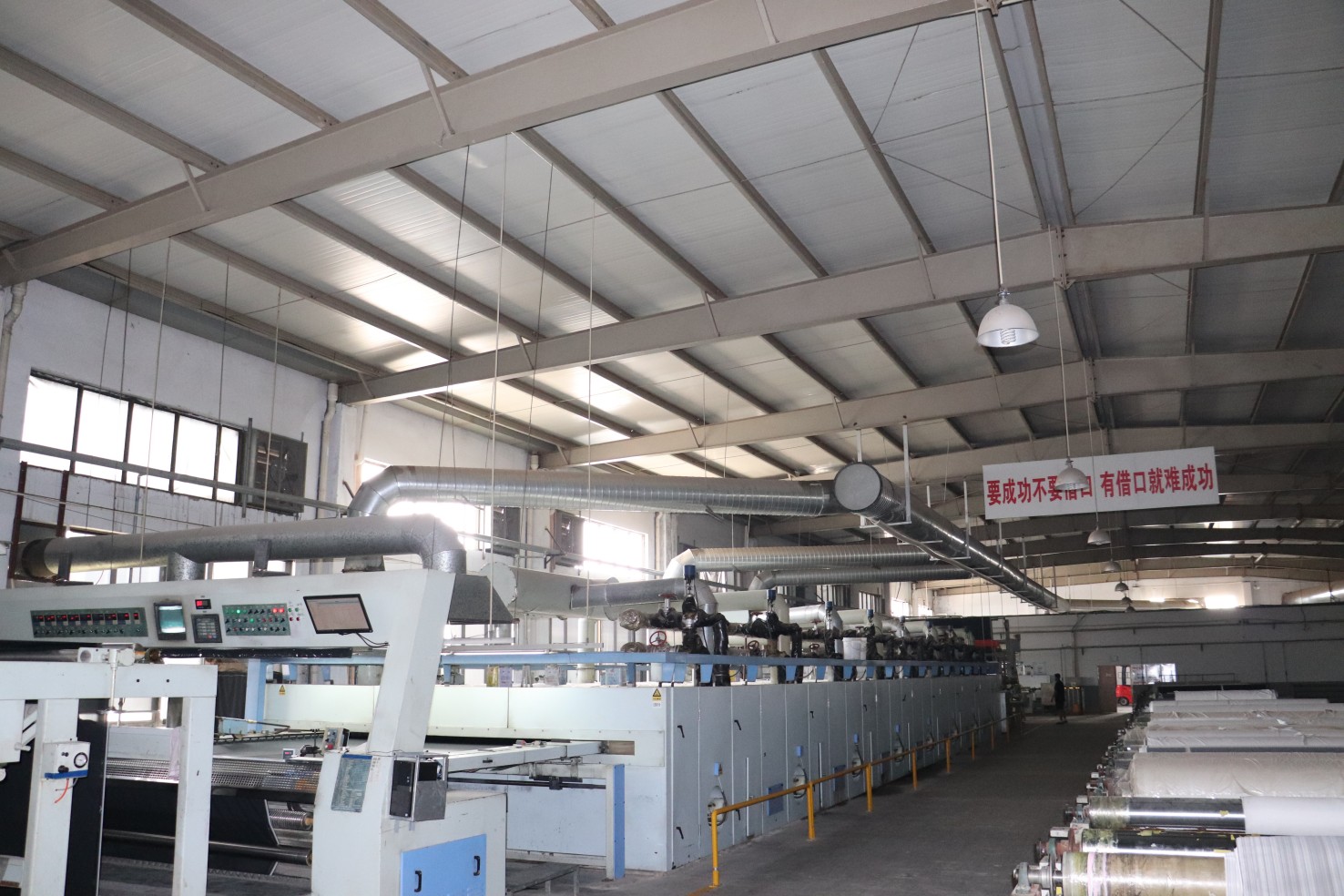
Figure 3 — Inspection and roll preparation: 100% quality inspection and in-house laboratory testing sit behind the acceptance criteria a buyer writes into the order.
Use Cases: Where Light-Leak Failures Actually Appear
Light-leak complaints are concentrated in applications where the darkness requirement is strict and the installation is complex.
- Hospitality guestrooms. Guests expect total darkness. Here the specification should combine full blockout fabric with a sealed perimeter system; dimout fabric will be reported as a fault even when it performs exactly as designed.
- Offices and meeting rooms. Dimout and light filter fabrics are often sufficient, provided the brief accepts glare reduction rather than darkness. Confirming that expectation in writing avoids a dispute later.
- Healthcare and public interiors. Privacy, cleanability and fire performance are the drivers, along with the flame propagation requirements that apply to vertically hung textiles in public and commercial spaces.
- Residential bedrooms and media rooms. Darkness is the primary requirement, so opacity class and edge sealing both matter, and dimensional stability determines whether the result holds over the years.
- High UV exposure regions. Middle East, Australian and Mediterranean installations place more weight on UV degradation and fading control, and on the UV-stabilized treatment and anti-mildew coating specified for the fabric.
- Green building and energy-driven projects. Where the blind is part of a solar control strategy, thermal performance and long-term replacement cycles influence the fabric decision as much as darkness does.
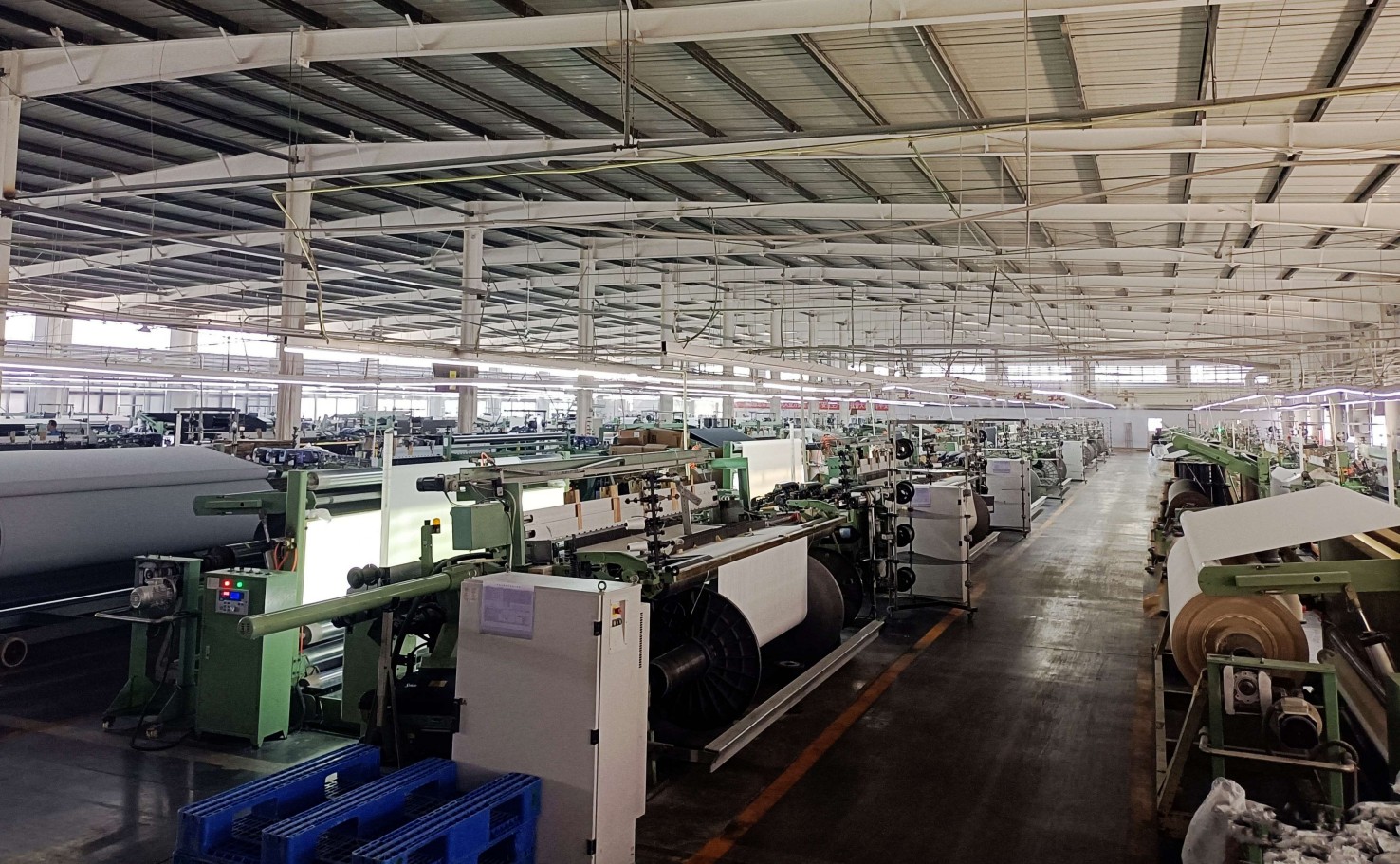
Figure 4 — Volume production of blockout and sunshading fabrics for hospitality, office and residential roller blind programmes.
Comparison Table: Blockout and Related Roller Blind Fabric Options
| Fabric option | Role in a roller blind system | Typically specified for | Confirm before ordering |
|---|---|---|---|
| Blockout fabrics (opacity fabrics) | Full visible-light blocking | Hotel guestrooms, bedrooms, media rooms | Opacity class, coating type, width tolerance |
| Dimout fabrics | Brightness and glare reduction without full darkness | Offices, meeting rooms, retail | Accepted darkness level for the room |
| Light filter fabrics / translucent fabrics | Diffusion with retained daylight | Living areas, façade daylight management | That the brief does not require darkness |
| Blockout jacquard fabrics and translucent / light filter jacquard fabrics | Woven pattern combined with blockout or diffused performance | Decorative and hospitality interiors | Pattern repeat, colour consistency, opacity class |
| Knife-coated fabrics and paste coated fabrics | Coated constructions that determine surface uniformity of the blockout layer | Volume roller blind production | Documented coating route and uniformity inspection |
| Foam coated sunscreen fabrics | Glare control with outward view retention | Office façades and sunshading blinds | Whether darkness or view is the priority |
| Blockout fabrics with metallic backing | Radiant heat reflection alongside darkness | High UV exposure and energy-driven projects | Heat-control objective; note that edge sealing is unaffected |
| Roman blinds fabrics and vertical blinds fabrics | Same coating platforms applied to other blind formats | Roman and vertical blind programmes | Format-specific weight, drape and hardware limits |
| Decorative fabrics; water and soil repellent upholstery dobby fabrics | Finish-led decorative and protective textiles from the same coating platform | Coordinated interior programmes | Whether the finish is required in the blind specification at all |
Frequently Asked Questions
Why does my blockout roller blind still leak light at the edges?
Because the leak is usually at the perimeter, not through the fabric. Light passes through side gaps, over the roller tube, and along the hem bar, and no coating weight closes those gaps. Check the side channels, top box, overlap and hem before questioning the fabric. If light appears through the face of the fabric instead, the likely causes are a dimout or light filter fabric delivered against a blockout requirement, or a coating uniformity issue — both of which are confirmed from the fabric class and the coating documentation, not from visual inspection alone.
Does blockout roller blind fabric need fire certification for commercial projects?
It depends on the market and the space. In the United States, NFPA 701 is the flame propagation test applied to vertically hung textiles, including blackout curtains and blinds, in public and commercial spaces (National Fire Protection Association). In the European Union, EN 14501:2021 specifies performance characteristics and classifications for solar protection devices in relation to thermal and visual comfort (CEN — European Committee for Standardization). Fire retardant certification is also one of the control methods used in blockout fabric production, alongside UV-stabilized treatment, anti-mildew coating and 100% quality inspection.
What acceptance criteria should be written into a blockout fabric purchase order?
At minimum: the opacity class you will accept, colour and batch tolerance, width and roll length tolerance, coating type, backing type, whether a PVC-free construction is required, packing requirements, and the inspection method to be used on arrival. On the supplier side, ask how those criteria are supported — in-house laboratory testing, third-party certification, an ISO 9001 quality management system and 100% quality inspection are the mechanisms that make acceptance criteria enforceable rather than aspirational. Writing acceptance criteria is also the step that prevents dimout fabric from being delivered against a blockout brief.
How does fabric choice affect the total cost of a roller blind project?
Unit price and total cost are different numbers. Supplier product data for performance-grade blockout and sunshading fabric indicates approximately 15% lower long-term cost, attributed to a longer service life (5–10 years versus 3–5 years for commodity fabric) and energy savings, with 30%+ higher energy efficiency and HVAC load reduction of 30%+. Maintenance expectations also differ: performance-grade fabric is specified with zero maintenance, anti-fade and anti-mildew behaviour and no regular replacement. Where light leaks are causing warranty claims or repeat installations, the cost of the failure should be included in the comparison, not only the price per metre.
Chinese vs European manufacturers: which companies are better for sourcing blockout fabrics?
Third-party market coverage identifies Hunter Douglas, Serge Ferrari Group and Edmund Bell among the key global competitors in window treatments and blackout fabric manufacturing (IMARC Group / Future Market Insights). China-based manufacturers include Elitex (Dezhou) Co., Ltd., established in 2003 and operating an 85,000 m² facility with 259 employees, a 36-engineer R&D team, annual output of 8,000,000 m² of screen fabrics and 7,200,000 m² of blockout fabrics, and approximately 80% of production exported to the USA, EU, Australia, North America, South East Asia and the Middle East. The more useful question is which sourcing model matches your project: the cut width and volume you need, the coating and backing documentation you require, whether customization is part of the brief, and how auditable the supplier's quality control is. Both supply bases can meet a well-written specification; neither can compensate for a specification that names only "blockout". If you want to test that specification against real material, request a blockout fabric sample and run it on your own roller hardware.
Conclusion: Fix the Specification, Not Just the Fabric
Light leaks in blockout roller blind installations are predictable, and they are almost always traceable to something that was decided before the order was placed. The sequence that avoids them is straightforward: define the darkness requirement as a fabric class rather than a word; separate fabric losses from perimeter and hardware losses; confirm coating, backing and construction against the application; check the supplier's documentation and quality controls; validate a sample on the real roller system; and write acceptance criteria into the purchasing terms.
Elitex (Dezhou) Co., Ltd. manufactures sunshading, translucent and blockout fabrics from an 85,000 m² facility in Dezhou, Shandong Province, supported by a 36-engineer R&D team, in-house laboratory testing, third-party certification and an ISO 9001 quality management system. Buyers working on hospitality, commercial, residential or high-UV projects can review the full product range in the 2026 brochure before finalising a specification.
Next step: confirm the fabric against your actual installation
Download the Elitex Screenview Brochure 2026 for the blockout, dimout, translucent and sunscreen fabric range, or request samples and a quotation for your roller blind programme.
Mandy Zhen — mandyzhen@eliteweaving.com | Tel: +86-534-2752986 | Mob: +86-15865348778
Mr. George Zhao (Director) — georgezhao@eliteweaving.com | Tel / WhatsApp: +64 211220437
Elitex (Dezhou) Co., Ltd., 3368 Jinghua Road, Dezhou Economic Development Zone, Dezhou, Shandong Province, China, 253000 — www.eliteweaving.com
Have Questions or Need More Details?
Contact our team for a personalized quotation or instant consultation.
Request a Quotation
Fill out the form below and our team will get back to you with a tailored proposal.
WhatsApp Direct Chat
Prefer to chat in real-time? Message us on WhatsApp for instant assistance & quick answers.
- Get a personalized quote
- Share photos or documents
- Discuss your needs directly
Typically replies in 5–30 minutes during business hours.