
Aluminized vs. Budget Sunscreen Fabric: A Head-to-Head Decision for Your Project
Aluminized sunscreen fabric is the right specification when a project has to actively reject solar heat. Budget sunscreen fabric is the right specification when openness flexibility, colour matching and volume economics drive the order. Both are produced by Elitex (Dezhou) Co., Ltd., an international manufacturer of sunscreen, translucent, blackout and specialized sunshading fabrics established in 2003, so this decision is usually not about supplier capability. It is about matching the correct fabric construction to the correct project requirement.
This head-to-head compares the two products only on the facts that appear in a purchase order and an acceptance record: reflectivity, solar heat gain coefficient (SHGC), openness range, width, colour range, customisation scope, inspection criteria and expected service life. It then converts those facts into a decision framework, a project-fit map and a purchasing checklist you can use at sample stage and at order approval.
Quick decision rule: If the project brief mentions heat rejection, solar control, energy performance or high-temperature interiors, specify Aluminized Sunscreen Fabric (Aluminized Silver Screen Series) — reflectivity ≥85%, solar heat gain coefficient ≤0.2, openness 3%–5%, width 2,000–3,000 mm. If the brief is driven by openness choice, colour matching, residential or hospitality aesthetics and volume cost, specify Budget Sunscreen Fabric (Elitex Super 6 Series) — 100% polyester, openness 1%, 3%, 5% or 10%, width 2,000–2,500 mm, 20+ popular colours.
Why the Aluminized vs. Budget Decision Goes Wrong So Often
The most common failure is comparing two fabrics on price per linear meter at sample stage and treating the specification differences as marketing detail. They are not. Aluminized Sunscreen Fabric is built on a polyester base with an aluminized coating, while Budget Sunscreen Fabric is a 100% polyester fabric in a basket weave or twill weave. They solve different problems, and they carry different specification risk if they are swapped.
Three specific errors recur in screen fabrics procurement:
- Treating reflectivity and SHGC as optional. A project that specifies solar control performance cannot be satisfied by a fabric whose data sheet does not state reflectivity or SHGC. Aluminized Sunscreen Fabric states reflectivity ≥85% and SHGC ≤0.2; the budget construction is specified on material, weave, openness and colour instead.
- Assuming openness ranges are interchangeable. Aluminized Sunscreen Fabric is available at 3%–5% openness. Budget Sunscreen Fabric is available at 1%, 3%, 5% and 10%. A project requiring 1% or 10% openness is not covered by the aluminized specification, regardless of budget.
- Assuming a sample equals a five-year outcome. Documented Elitex project records cover installations with service durations of 5–10 years. Price at sample stage says nothing about re-specification cost, replacement labour or colour consistency after several years in service.
The practical consequence: the two fabrics should be selected by project requirement first, then priced. Selecting on price first forces a project to accept a performance gap or an openness gap that no commercial term can fix.
Industry Background: Stricter Specification, Wider Use of Solar Shading
Solar shading fabric is no longer a decorative category. The global fabric solar shading systems market was valued at approximately USD 1.35 billion in 2026, with a projected growth to USD 2.14 billion by 2035, according to the Fabric Solar Shading Systems Market Report 2035 published by Reports and Data. Growth of that scale is driven by building energy performance requirements rather than by interior fashion cycles.
In Europe, EN 14501:2021 is the governing standard for thermal and visual comfort performance of solar protection devices, and it ranks products on a 0–4 scale. For buyers, that standard reframes the aluminized-versus-budget question: the fabric must first be classified against the thermal and visual comfort performance the building is claiming, and only then against delivered cost.
Material scrutiny is tightening in parallel. Regulatory pressure from EU REACH and FDA rules limiting heavy metal migration is reshaping polyester supply chains, and the antimony-free polyester market is projected to reach USD 1.07 billion by 2030, according to MarketsandMarkets. Importers increasingly ask suppliers for documentation at quotation stage rather than at shipment stage.
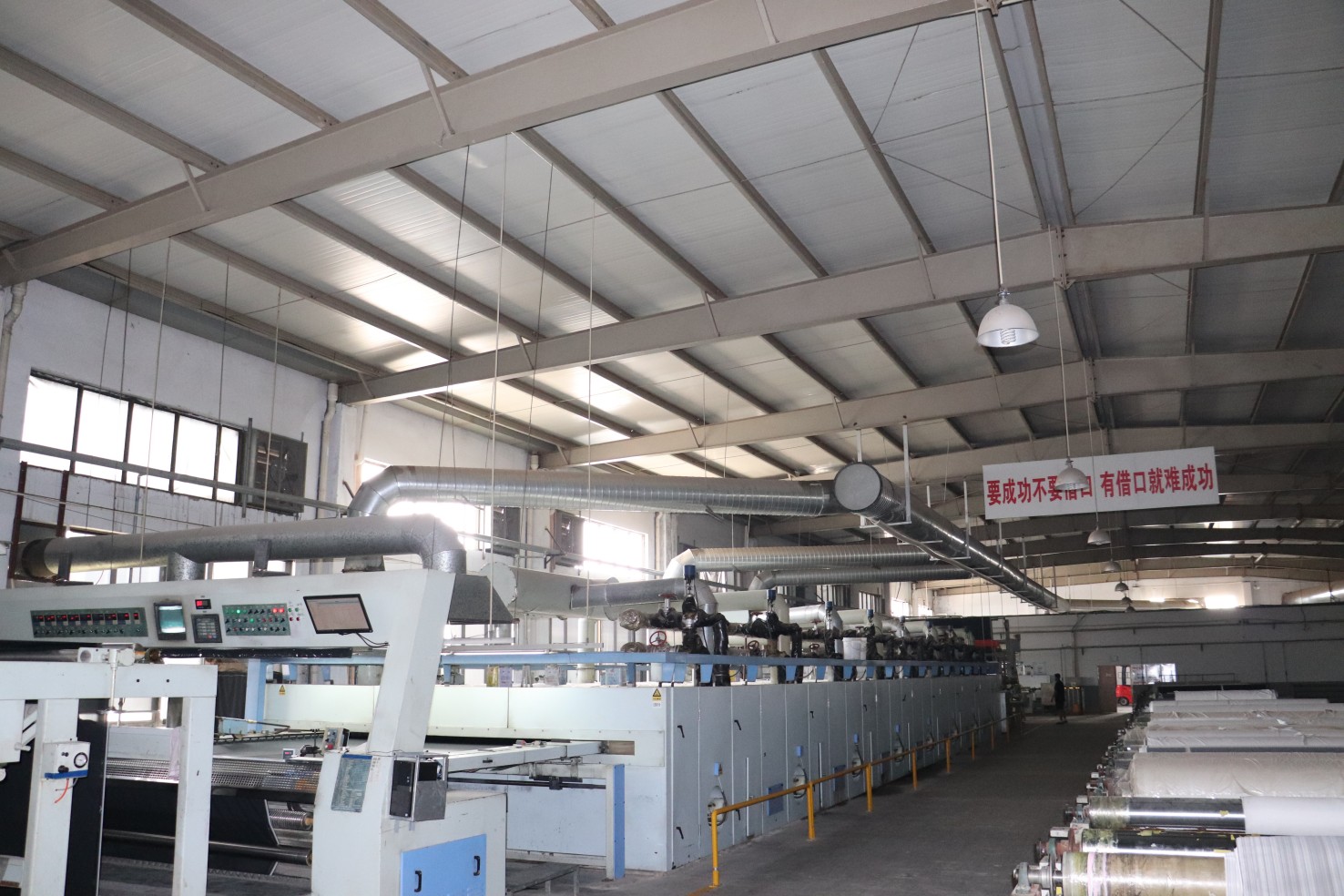
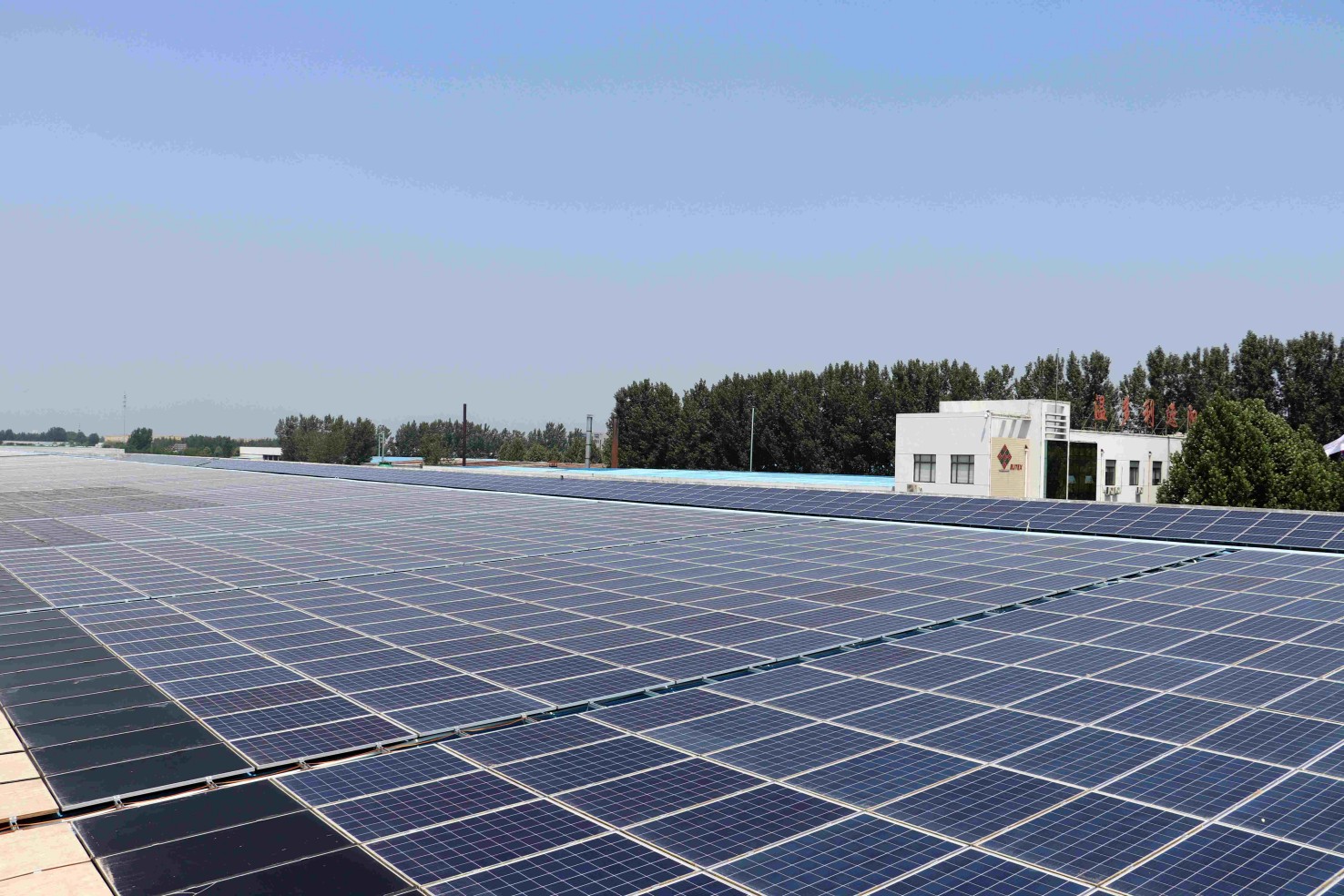
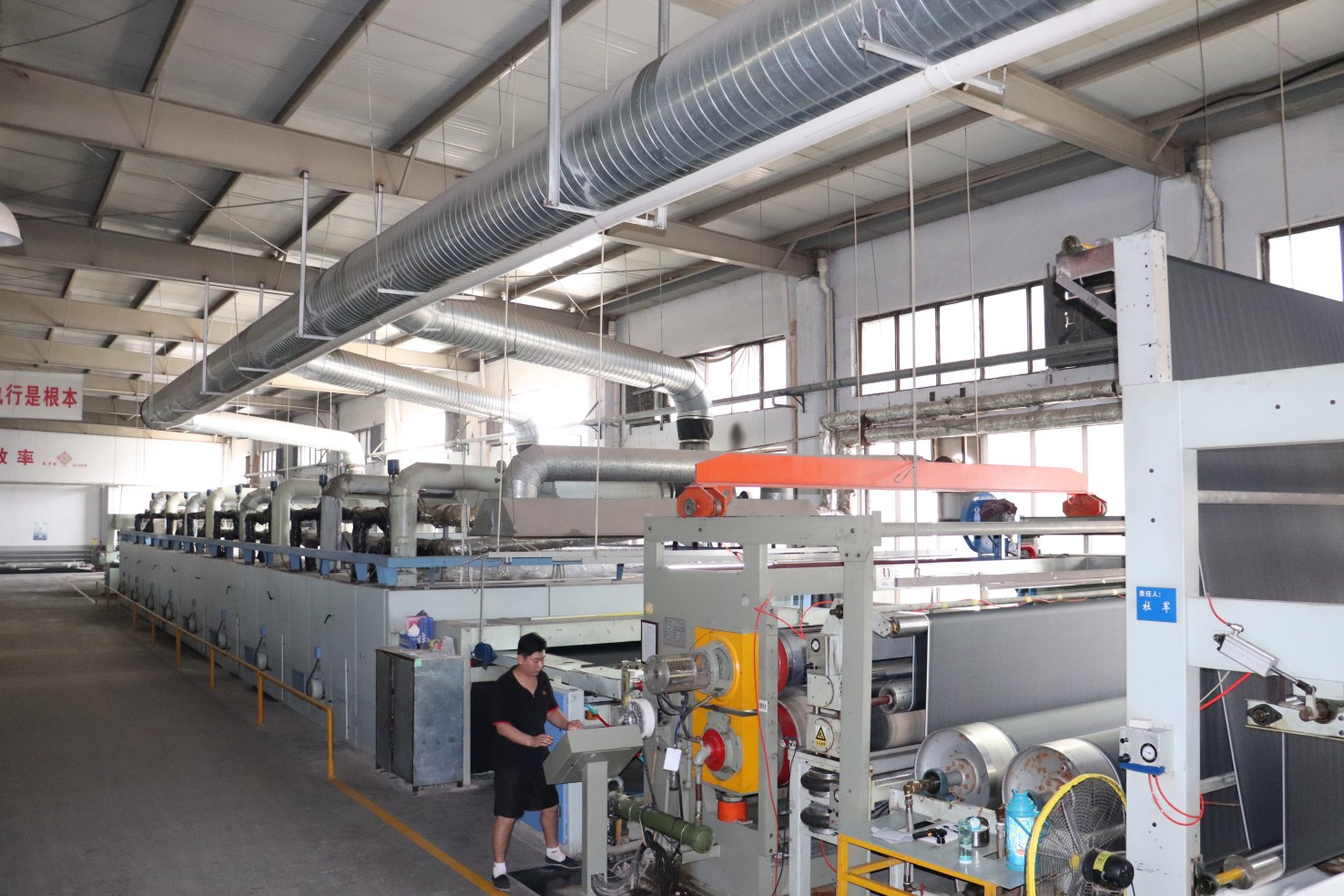
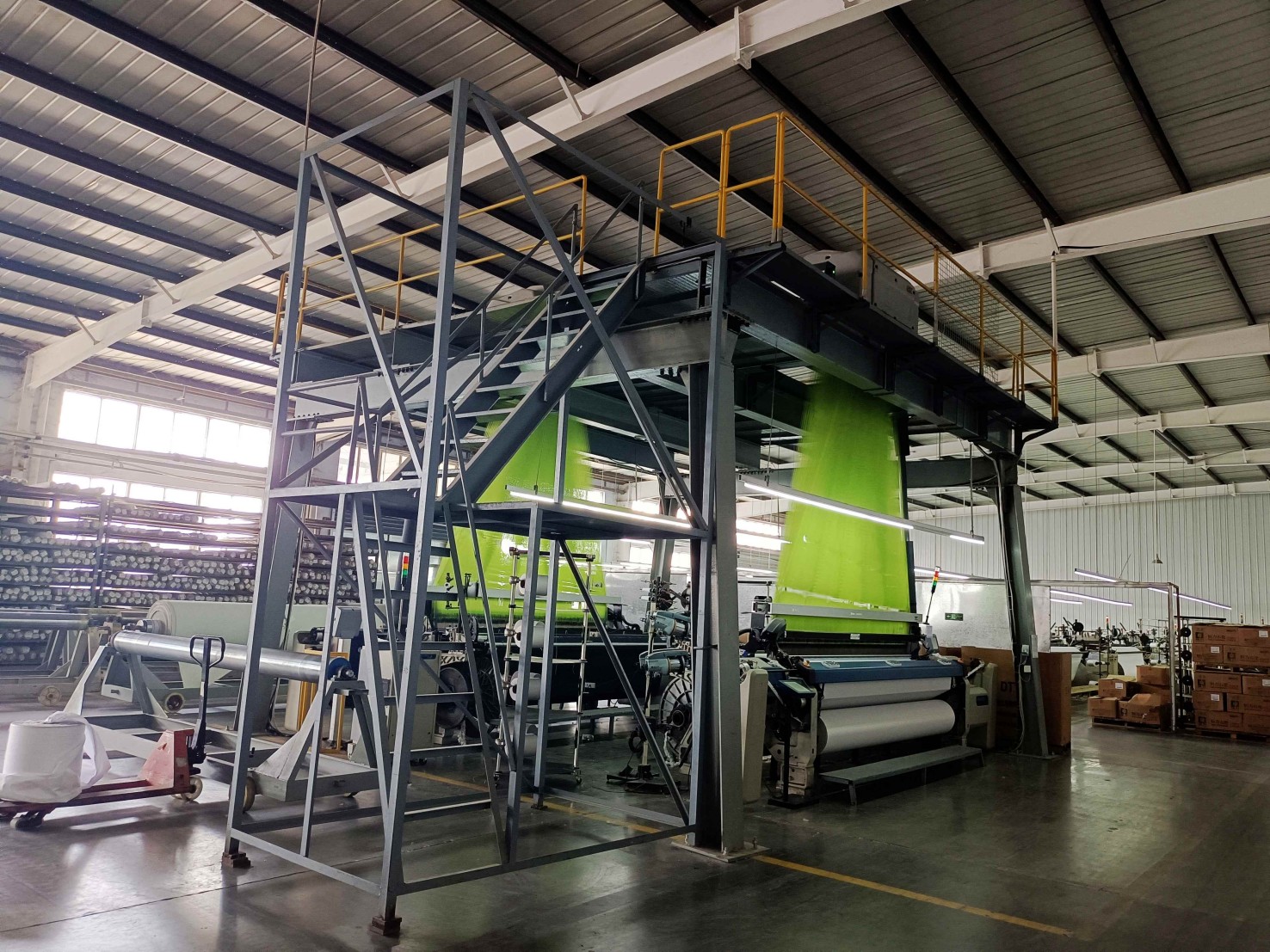
The supply side has consolidated accordingly. Elitex (Dezhou) Co., Ltd. operates an 85,000 m² facility with 259 employees, 36 engineers in research and development, and annual output of 8,000,000 m² of screen fabrics and 7,200,000 m² of blockout fabrics. Approximately 80% of production is exported to the USA, EU, Australia, North America, South East Asia and the Middle East. For a buyer weighing two constructions, that capacity and export mix matter because it determines whether both fabrics can be supplied in the same order, in the same quality system, on the same lead time.
The Two Fabrics, Defined by Their Own Specifications
Aluminized Sunscreen Fabric — Aluminized Silver Screen Series
Aluminized Sunscreen Fabric, sold as the Aluminized Silver Screen Series, is a high-reflective sunscreen fabric made from polyester with an aluminized coating. It is specified where the fabric itself is expected to reject solar radiation rather than simply diffuse daylight.
- Reflectivity: ≥85%
- Material: polyester with aluminized coating
- Openness: 3%–5%
- Width: 2,000 mm – 3,000 mm
- Solar heat gain coefficient: ≤0.2
- Typical industries: commercial building, green building, high-temperature space
Budget Sunscreen Fabric — Elitex Super 6 Series
Budget Sunscreen Fabric, sold as the Elitex Super 6 Series, is a 100% polyester sunscreen fabric specified on openness, weave and colour rather than on reflectivity. It is the volume construction for daylight control, glare reduction and aesthetic matching.
- Material: 100% polyester
- Openness: 1%, 3%, 5%, 10%
- Weave type: basket weave / twill weave
- Width: 2,000 mm, 2,500 mm
- Colour range: 20+ popular colours
- Typical industries: residential, commercial, hospitality
Where the Specifications Actually Diverge
Four differences decide most projects. First, heat rejection: only the aluminized construction publishes reflectivity (≥85%) and SHGC (≤0.2). Second, openness flexibility: the budget construction offers four openness levels against two for aluminized. Third, width: aluminized reaches 3,000 mm, budget stops at 2,500 mm, which matters for wide-width windows where seam avoidance is a design requirement. Fourth, colour: the budget construction publishes a 20+ colour range, while the aluminized construction is specified primarily on reflective performance.
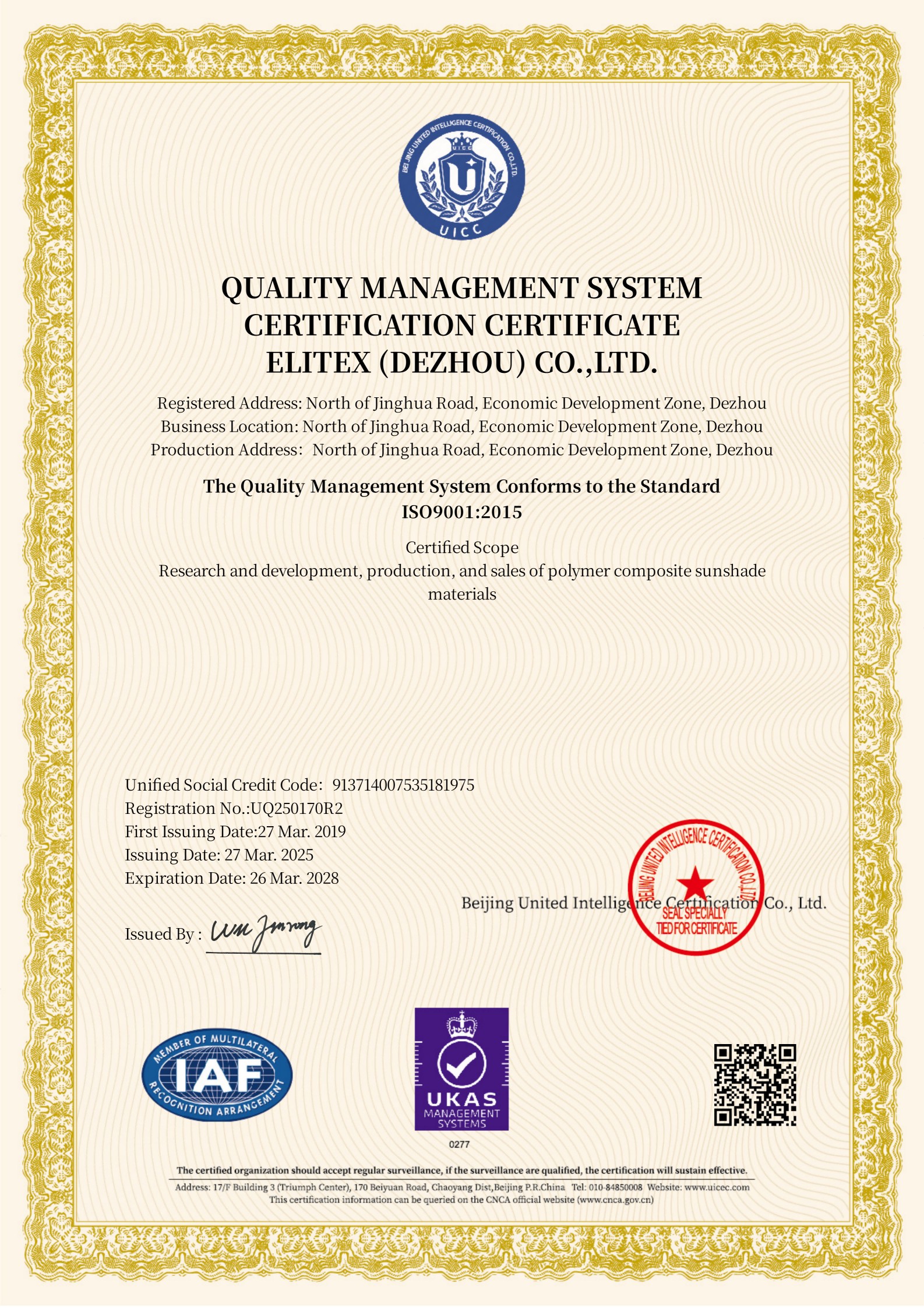
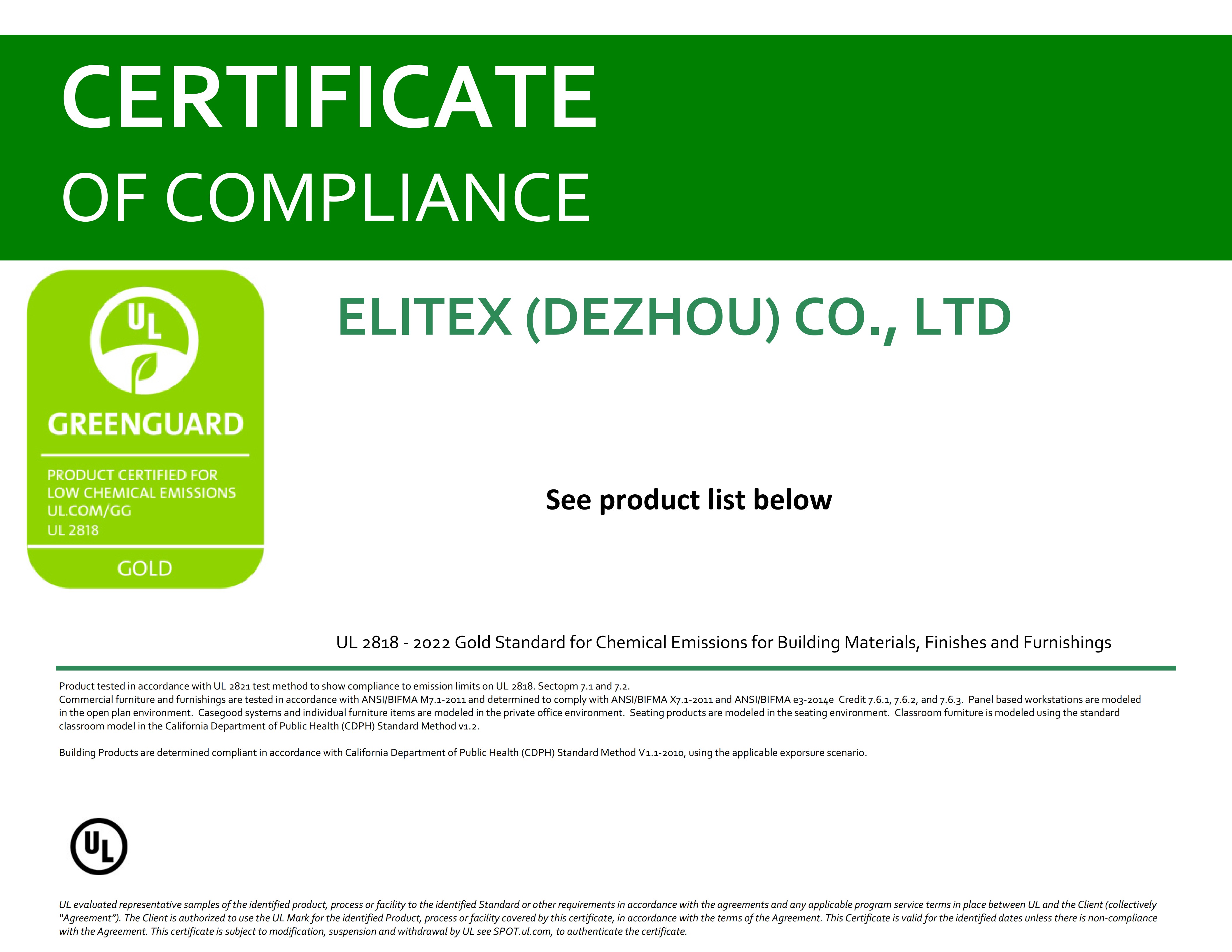
Both constructions sit under the same manufacturing and quality system at Elitex (Dezhou) Co., Ltd., which holds ISO 9001:2015 quality management system certification (certificate UQ250170R2, issued by Beijing United Intelligence Certification Co., Ltd., scope covering research and development, production and sales of polymer composite sunshade materials), ISO 14001:2015 environmental management certification (UE250076R1) and ISO 45001:2018 occupational health and safety certification (US250047R1). Both are also listed under UL GREENGUARD and UL GREENGUARD Gold certification (UL 2818).
Performance Expectations: What Each Fabric Is Expected To Deliver
Aluminized Sunscreen Fabric is expected to reduce solar heat gain. With reflectivity at or above 85% and an SHGC at or below 0.2, its function in a commercial building, green building or high-temperature space is to limit how much solar energy enters through the glazing and shading layer. This is the specification that supports energy performance claims in a building submission.
Budget Sunscreen Fabric is expected to control daylight, glare and privacy through openness selection. With openness available at 1%, 3%, 5% and 10%, a specifier can move from a more closed, privacy-oriented interior blind to a more open, view-preserving exterior-facing screen using a single product family, in basket weave or twill weave, across 20+ colours.
Where the two are combined in one portfolio, the reported project outcomes are consistent with the intended function. Elitex project records covering architectural design firms, commercial building developers, hotel chains, residential contractors and blind manufacturers in Germany and Australia document 10,000+ meters supplied across 50+ projects, with reported results of 30%+ energy saving, 95% UV blocking, enhanced privacy and improved indoor comfort, across service durations of 5–10 years.
Total Cost Considerations Beyond Price per Meter
Comparing the two fabrics on unit price alone understates the decision. The cost drivers that actually move a project budget are:
- Construction and coating. Aluminized coating adds a reflective layer; the budget construction is specified on weave and openness instead.
- Openness selection. The openness chosen determines how much daylight and view the owner receives, which affects downstream lighting and comfort decisions.
- Width efficiency. Aluminized is available from 2,000 mm to 3,000 mm, budget from 2,000 mm to 2,500 mm. Where a project needs wider drops, the aluminized range can reduce seams; where it does not, the budget widths are sufficient.
- Customisation scope. Colour, size, openness, logo, weave pattern and coating can all be customised, and each adds setup and approval steps.
- Sample and validation rounds. Every sample cycle consumes time before bulk approval.
- Inspection and testing. Pre-shipment inspection and third-party lab testing are acceptance steps, not optional extras.
- Service life and replacement. A 5–10 year service window means the cheaper fabric is only cheaper if it meets the original performance requirement for that period.
The decision rule that follows is straightforward. Specify aluminized where heat rejection is a stated project requirement, because no price advantage on a non-reflective construction compensates for a missed solar control specification. Specify the budget construction where openness and colour drive the design, because paying for reflectivity that the project never claims adds cost without adding delivered performance.
Step-by-Step: Choosing and Approving the Right Fabric
- Write the project performance requirement first. State whether the shading layer must reduce solar heat gain, control glare, deliver privacy, or match an interior colour scheme. This single sentence determines which of the two fabrics is technically eligible.
- Map the requirement to a specification. Heat rejection maps to Aluminized Sunscreen Fabric (reflectivity ≥85%, SHGC ≤0.2). Openness, colour and volume map to Budget Sunscreen Fabric (openness 1%–10%, 20+ colours, 100% polyester). Check width at the same time: 2,000–3,000 mm for aluminized, 2,000–2,500 mm for budget.
- Request samples of both constructions in the openness relevant to the project. Compare them side by side against the requirement written in step one, rather than against each other on appearance alone.
- Confirm customisation scope before quoting. Elitex operates OEM / ODM and custom manufacturing with customisation across colour, size, openness, logo, weave pattern and coating, so the specification should list exactly which of these six variables the order changes.
- Lock purchasing terms and acceptance criteria. Agree MOQ, delivery terms, payment terms, lead time and the inspection protocol in writing before production starts.
- Approve bulk production against the accepted sample. The approved sample, the written specification and the inspection criteria together form the acceptance record for the shipment.
Use Cases: Matching Fabric to Project Type
Commercial building window shading and green building projects belong to Aluminized Sunscreen Fabric. These projects typically make a solar control claim that requires a documented SHGC, and openness in the 3%–5% range is normally sufficient because view preservation is balanced against heat rejection.
High-temperature spaces — glazed atria, west-facing office glazing and similar environments — are also an aluminized application, for the same reason: the fabric is the reflective layer in the assembly.
Residential privacy protection, hotel interior decoration and office daylight balancing belong to Budget Sunscreen Fabric, where a specifier needs openness options from 1% to 10% and a wide colour range to match interior schemes across many rooms.
Blind manufacturers and distributors often carry both. The budget construction covers the high-volume, multi-colour residential and hospitality ranges, while the aluminized construction covers the smaller number of commercial projects that specify solar control performance. Ordering both from one manufacturer keeps the colour and quality system consistent across the programme.
Documented Elitex project records, covering customers in Germany and Australia across commercial building window shading, hotel interior decoration, office building energy saving and residential privacy protection, report 10,000+ meters supplied across 50+ projects with 30%+ energy saving, 95% UV blocking and service durations of 5–10 years.
Head-to-Head Comparison Table
| Decision factor | Aluminized Sunscreen Fabric — Aluminized Silver Screen Series | Budget Sunscreen Fabric — Elitex Super 6 Series |
|---|---|---|
| Material | Polyester with aluminized coating | 100% polyester |
| Weave | Not stated in the product specification | Basket weave / twill weave |
| Reflectivity | ≥85% | Not stated in the product specification |
| Solar heat gain coefficient | ≤0.2 | Not stated in the product specification |
| Openness | 3%–5% | 1%, 3%, 5%, 10% |
| Width | 2,000 mm – 3,000 mm | 2,000 mm, 2,500 mm |
| Colour range | Not stated in the product specification | 20+ popular colours |
| Typical industries | Commercial building, green building, high-temperature space | Residential, commercial, hospitality |
| Primary function in the assembly | Solar heat rejection through high reflectivity | Daylight, glare and privacy control through openness selection |
| Quality and compliance framework | ISO 9001:2015 (UQ250170R2), ISO 14001:2015 (UE250076R1), ISO 45001:2018 (US250047R1), UL GREENGUARD and UL GREENGUARD Gold (UL 2818) | ISO 9001:2015 (UQ250170R2), ISO 14001:2015 (UE250076R1), ISO 45001:2018 (US250047R1), UL GREENGUARD and UL GREENGUARD Gold (UL 2818) |
| Where it wins the project | When heat rejection, solar control or a green building claim is on the specification | When openness choice, colour matching and volume cost drive the order |
Purchasing Terms and Acceptance Checklist
Use this checklist to convert a fabric decision into an approvable order. Each line reflects a documented Elitex commercial or production term.
- MOQ. Minimum order quantity is 500 meters as standard, and MOQ terms can be customised upon communication for project-specific requirements.
- Production lead time. Plan 15–30 days for production.
- Monthly capacity check. Confirm the order against a monthly capacity of 500,000 meters so that a multi-project programme is not split across unplanned delays.
- Delivery terms. International logistics.
- Payment terms. Bank transfer.
- Quality control. Confirm that production runs with 100% inspection and third-party lab testing.
- Acceptance criteria. Pre-shipment inspection and third-party lab testing.
- Customisation specification. State which of the six variables the order changes: colour, size, openness, logo, weave pattern, coating.
- Sample approval. Sign off openness, colour and width against the project requirement before bulk production.
- Documentation. Request the applicable certificates with the quotation: ISO 9001:2015 (UQ250170R2), ISO 14001:2015 (UE250076R1), ISO 45001:2018 (US250047R1), and UL GREENGUARD / UL GREENGUARD Gold (UL 2818).
- After-sales. Confirm 24/7 online support, technical guidance and after-sales service coverage for the delivered order.
Frequently Asked Questions
What certifications cover the Aluminized Silver Screen Series and the Elitex Super 6 Series?
Both product series are covered by the same certification framework at Elitex (Dezhou) Co., Ltd. This includes ISO 9001:2015 quality management system certification, certificate UQ250170R2 issued by Beijing United Intelligence Certification Co., Ltd., with a scope covering research and development, production and sales of polymer composite sunshade materials; ISO 14001:2015 environmental management certification, certificate UE250076R1; ISO 45001:2018 occupational health and safety certification, certificate US250047R1; and UL GREENGUARD and UL GREENGUARD Gold certification for low chemical emissions, standard UL 2818. For projects in the European Union, buyers should also confirm how the specified fabric is classified under EN 14501:2021, the standard that ranks solar protection products on thermal and visual comfort on a 0–4 scale.
Can both fabrics be customised for an OEM or ODM programme?
Yes. Elitex operates OEM / ODM and custom manufacturing, with customisation available across colour, size, openness, logo, weave pattern and coating. The supporting capability data includes a monthly capacity of 500,000 meters, a minimum order quantity of 500 meters, and a production lead time of 15–30 days. The technical base behind that customisation is a 36-engineer research and development team within an 85,000 m² facility, with annual output of 8,000,000 m² of screen fabrics and 7,200,000 m² of blockout fabrics. Customisation should be defined item by item, because colour, openness and coating each change the production setup.
If the budget fabric is cheaper per meter, when is the aluminized fabric still the lower-cost choice?
The aluminized fabric becomes the lower-cost choice when the project makes a solar control claim that the budget construction cannot document. Aluminized Sunscreen Fabric publishes reflectivity ≥85% and a solar heat gain coefficient ≤0.2; Budget Sunscreen Fabric is specified on 100% polyester, openness 1%–10%, weave and colour instead. If a project re-specifies after installation because the delivered fabric cannot support the original thermal requirement, the replacement fabric, the removal labour and the reinstallation are all additional costs on top of the original purchase. Where a project does not claim thermal performance — for example interior residential or hospitality blinds selected on colour and openness — the budget construction delivers the required function without paying for reflectivity the project never uses.
How should a sample round be structured before bulk order approval?
A sample round should test the fabric against the project requirement, not against the other fabric. Request the specific openness level the project will use — 3% or 5% for the Aluminized Silver Screen Series, or 1%, 3%, 5% or 10% for the Elitex Super 6 Series — in the required width, since aluminized is available from 2,000 mm to 3,000 mm and the budget series at 2,000 mm and 2,500 mm. Approve the sample against colour range (20+ popular colours on the budget series), weave type (basket weave or twill weave on the budget series), and any customisation variables such as logo or coating. Once approved, the sample plus the written specification become the reference for acceptance, and shipment is verified through pre-shipment inspection and third-party lab testing.
What lead time and delivery terms should be planned into the order schedule?
Production lead time is 15–30 days, with delivery handled through international logistics and payment by bank transfer. Before confirming the schedule, check the order against monthly capacity of 500,000 meters and confirm the minimum order quantity, which is 500 meters as standard with MOQ terms customisable upon communication. Because customisation across colour, size, openness, logo, weave pattern and coating changes the production setup, buyers running multi-project programmes should confirm the customisation list and the required openness levels before the lead time clock starts. If the project is still at the comparison stage, the practical next step is to request samples of both constructions together with your written performance requirement, so the sample round resolves the decision rather than only confirming appearance.
Conclusion: Decide on Project Priority, Then Price
Aluminized Sunscreen Fabric and Budget Sunscreen Fabric are not two price points of the same product. They are two constructions answering two different project priorities. Aluminized Sunscreen Fabric answers a performance priority: reflectivity ≥85%, SHGC ≤0.2, openness 3%–5%, width up to 3,000 mm, for commercial buildings, green buildings and high-temperature spaces. Budget Sunscreen Fabric, the Elitex Super 6 Series, answers a flexibility and volume priority: 100% polyester, openness 1%, 3%, 5% or 10%, 20+ popular colours, basket or twill weave, for residential, commercial and hospitality interiors.
The decision sequence that holds under procurement scrutiny is: write the performance requirement, map it to the specification, validate both constructions at sample stage, fix customisation and acceptance criteria in writing, then price the order. Buyers who follow that sequence rarely overpay for reflectivity they will not use, and rarely under-specify a building that has to prove its thermal performance.
Next Step: Sample, Specification and Brochure
Elitex (Dezhou) Co., Ltd. supplies both the Aluminized Silver Screen Series and the Elitex Super 6 Series from one production base in Dezhou, Shandong Province, China, with OEM / ODM customisation, 15–30 day lead times, pre-shipment inspection and third-party lab testing as standard acceptance criteria, and 24/7 online technical support.
Request samples of both constructions against your project requirement, or download the full product brochure: Elitex Screenview Brochure 2026 (PDF). Product and company information: www.eliteweaving.com.
Have Questions or Need More Details?
Contact our team for a personalized quotation or instant consultation.
Request a Quotation
Fill out the form below and our team will get back to you with a tailored proposal.
WhatsApp Direct Chat
Prefer to chat in real-time? Message us on WhatsApp for instant assistance & quick answers.
- Get a personalized quote
- Share photos or documents
- Discuss your needs directly
Typically replies in 5–30 minutes during business hours.