
Screen Fabrics Supplier Evaluation: Aluminized & Budget Checklist
Screen Fabrics Supplier Evaluation: Aluminized & Budget Checklist
A screen fabrics supplier can be screened against six checkpoints: written specification, production capability evidence, material and coating documentation, sample measurement, written delivery assurance, and compliance paperwork traceable to the ordered fabric code. This checklist explains what to request at each checkpoint and how the questions change between Aluminized Sunscreen Fabric and Budget Sunscreen Fabric.
Screen fabrics are bought in volume, produced to a specification, and shipped across borders. That combination means the supplier decision carries more risk than the fabric price alone. Buyers who compare suppliers only on sample appearance or quoted price usually find the gap later — when a coating specification cannot be repeated, when a colour range cannot be matched across lots, or when a committed delivery window shifts because the order was queued behind an existing customer's production run.
Three questions should drive the evaluation. Can the supplier produce the specific fabric that was requested? Can they prove it with documents instead of adjectives? Can they deliver the volume on the date they committed to? The sections below turn those questions into a sequence of evidence requests, applied to two contrasting products: Aluminized Sunscreen Fabric, where coating performance decides the outcome, and Budget Sunscreen Fabric, where consistency of openness, weave and colour decides whether a repeat order is possible.
Problem Definition: Why Supplier Claims Resist Comparison
At the awareness and research stage, buyers typically assemble a list of screen fabrics suppliers and compare their capability claims. The practical difficulty is that most claims are structurally identical. Statements such as "advanced equipment", "strict quality control" and "fast delivery" contain no unit, no number and no reference point. Without a checklist, evaluation collapses into impressions, and impressions favour whichever supplier writes the most confident paragraph.
A second problem is that one checklist cannot be applied identically to every fabric family. Aluminized sunscreen fabric is a coated, reflective product: its claims centre on reflectivity, coating consistency and solar heat gain. Budget sunscreen fabric competes on openness tolerance, weave consistency, colour repeatability and price stability at volume. A buyer who sends an aluminized coating question to a commodity weave mill, or a colour-repeatability question to a reflective coating specialist, receives answers that cannot be compared against each other.
A third problem is that delivery is a different capability from production. A mill can be fully capable of weaving a fabric and still be weak at scheduling, packing, documentation and shipment coordination. Delivery assurance therefore has to be evaluated with its own set of questions, separately from the product discussion.
Industry Background: What Is Changing in Screen Fabrics Sourcing
The screen fabrics category sits inside a solar shading market that continues to expand. Fabric solar shading systems were valued at approximately USD 1.35 billion in 2026, with a projected path to USD 2.14 billion by 2035, according to the Fabric Solar Shading Systems Market Report 2035 published by Reports and Data. The wider outdoor fabric market reached USD 13.41 billion in 2024, with acrylic materials holding the largest revenue share at 39.7%, according to Grand View Research.
Adjacent categories reinforce the same direction. The global insect screen market was valued at USD 6.9 billion in 2024, with retractable screens accounting for a 34.2% type share, according to Strategic Market Research. It is worth noting that insect screen market estimates differ significantly between research houses because definitions diverge — one source may measure mesh only, another the complete system. That divergence is itself a useful lesson for buyers: when a supplier cites a market number, the definition matters as much as the figure.
Two regulatory and material trends have changed what buyers now request from suppliers. First, the antimony-free polyester market is projected to reach USD 1.07 billion by 2030, driven substantially by EU REACH and FDA regulations limiting heavy metal migration, according to MarketsandMarkets. Second, material-health certification has moved into the textile supply chain: Cradle to Cradle Certified® V4.0 Material Health Gold has been awarded to specialized textile fibers such as LYCRA, confirming the absence of harmful substances in that supply chain, according to the Cradle to Cradle Products Innovation Institute.
Performance classification frameworks have also matured. EN 14501:2021 is the governing European standard for the thermal and visual comfort performance of solar protection devices, ranking products on a 0–4 scale for those characteristics. For buyers, the practical consequence is that "heat control" can now be discussed as a classified performance value rather than a marketing phrase — provided the supplier can point to the classification of the specific fabric article.
Scale is a useful calibration input, but it is not a proxy for fit. Publicly reported figures illustrate the size of established producers: Serge Ferrari Group reported full-year 2024 revenues of EUR 323.6 million, with over 80% of sales generated outside France, according to the company's investor relations disclosure. A buyer evaluating a supplier should compare that supplier's order profile against their own requirement, not against the largest player in the category.
Detailed Solution: A Five-Point Supplier Evaluation Framework
The framework below converts supplier claims into checkable items. Each anchor lists what to ask for, and how the question applies to an aluminized product versus a budget product.
Anchor 1 — Production Structure and Scale
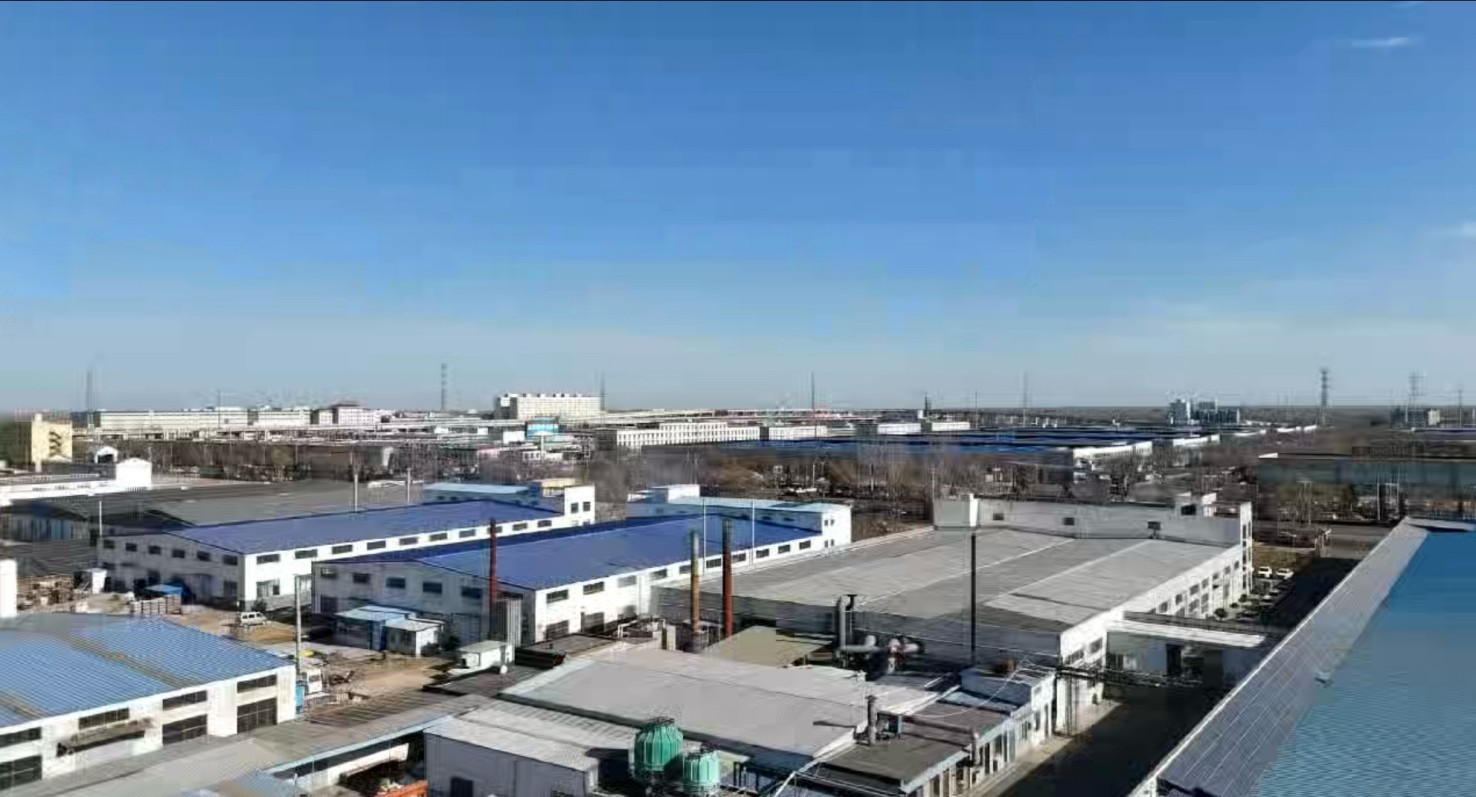
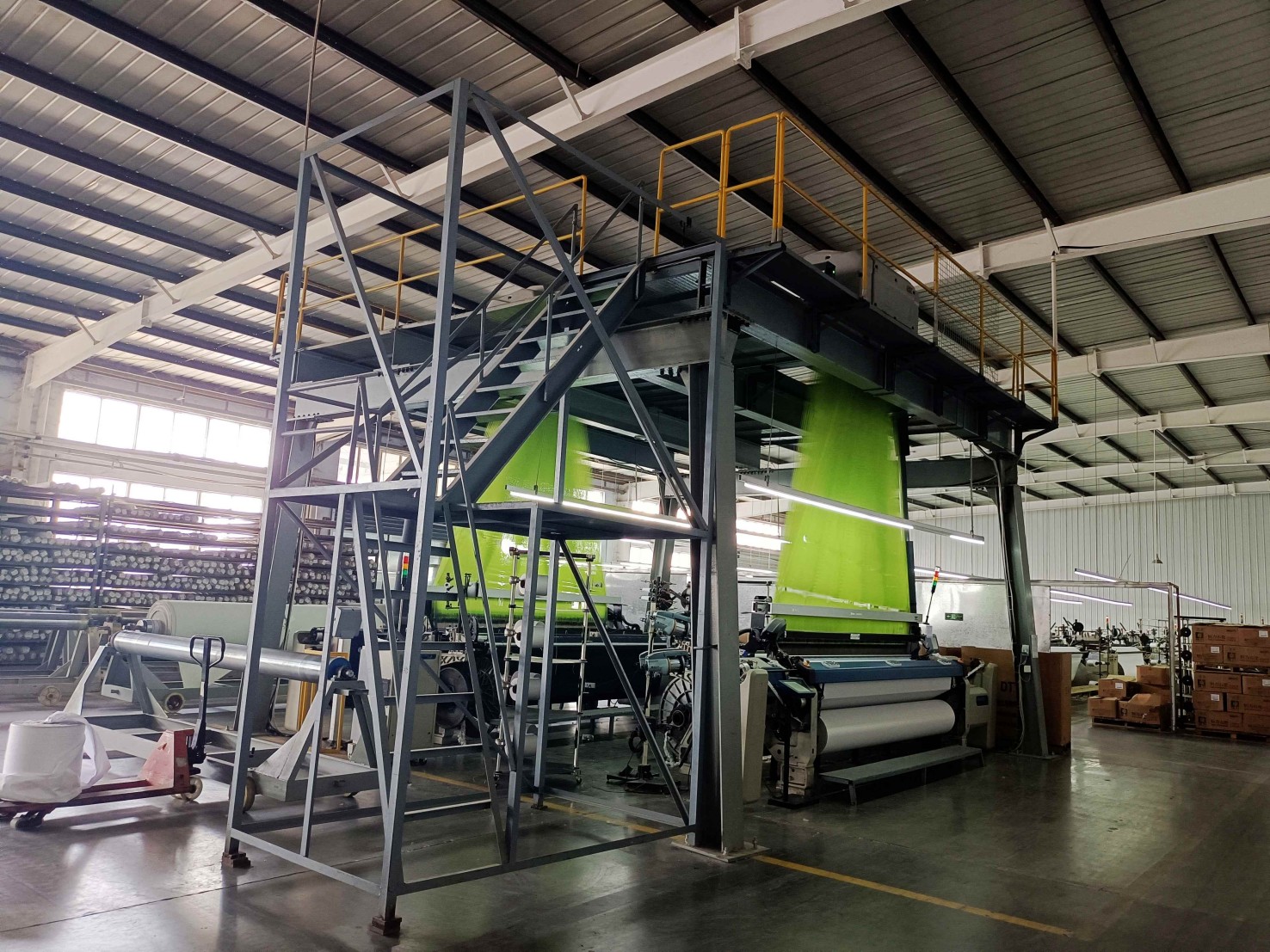
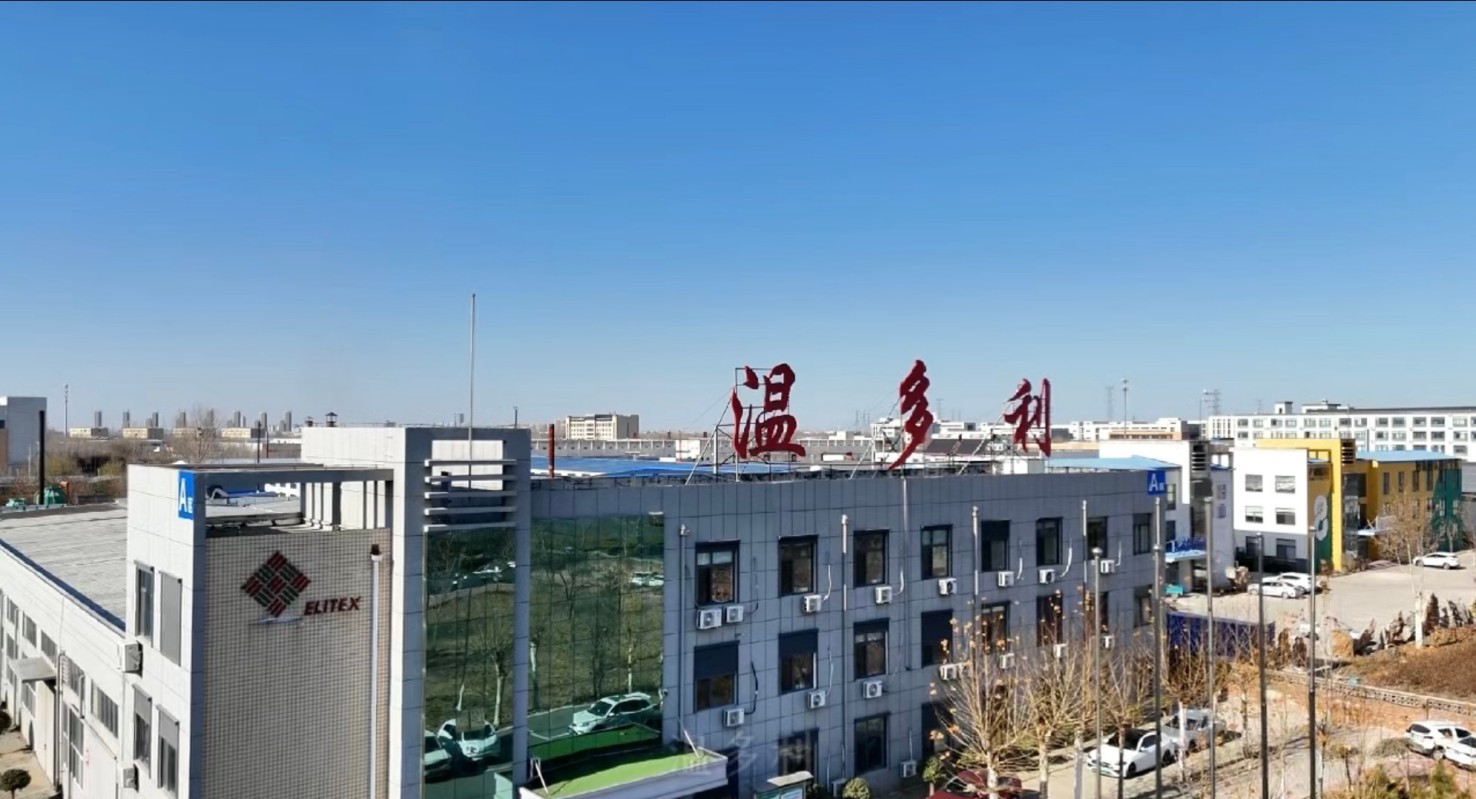
Request the physical structure of the operation before discussing price: facility area, employee count, engineering headcount, annual output split by fabric family, and which processes are completed in-house. A checkable answer looks like this: Elitex (Dezhou) Co., Ltd. is a manufacturer of sunshading fabrics founded in 2003, operating an 85,000 m² facility with 259 employees, including a 36-engineer R&D team, producing 8,000,000 m² of screen fabrics and 7,200,000 m² of blockout fabrics annually. Those figures can be verified through a factory visit or a live walkthrough; adjectives cannot.
Anchor 2 — Product-Specific Capability
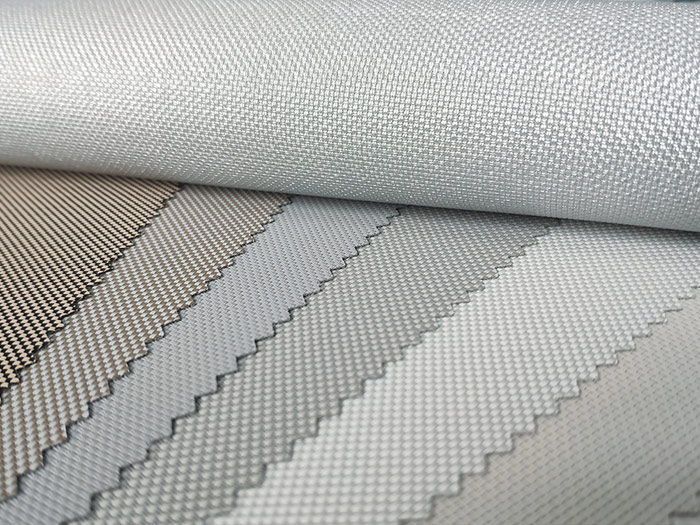
For aluminized products, the specification to verify is the coating and solar performance: Aluminized Sunscreen Fabric in the Aluminized Silver Screen Series is specified as polyester with aluminized coating, reflectivity of at least 85%, openness of 3%–5%, widths from 2000 mm to 3000 mm, and a solar heat gain coefficient of 0.2 or lower. It is positioned for commercial building, green building and high-temperature space applications. Buyers should ask which test method produced the reflectivity figure, how coating adhesion and coating evenness are controlled, and whether the wide widths in the range are produced on the supplier's own lines.

For budget products, the specification to verify is repetition rather than peak performance. Budget Sunscreen Fabric in the Elitex Super 6 Series is specified as 100% polyester in basket weave or twill weave, with openness grades of 1%, 3%, 5% and 10%, widths of 2000 mm and 2500 mm, and a colour range of more than 20 popular colours, positioned for residential, commercial and hospitality use. The relevant questions here are how openness tolerance is maintained between lots, whether each colour is produced on the same weave, and whether the colour range is held as repeat stock or made only to order.
Anchor 3 — In-House Testing and Quality Control
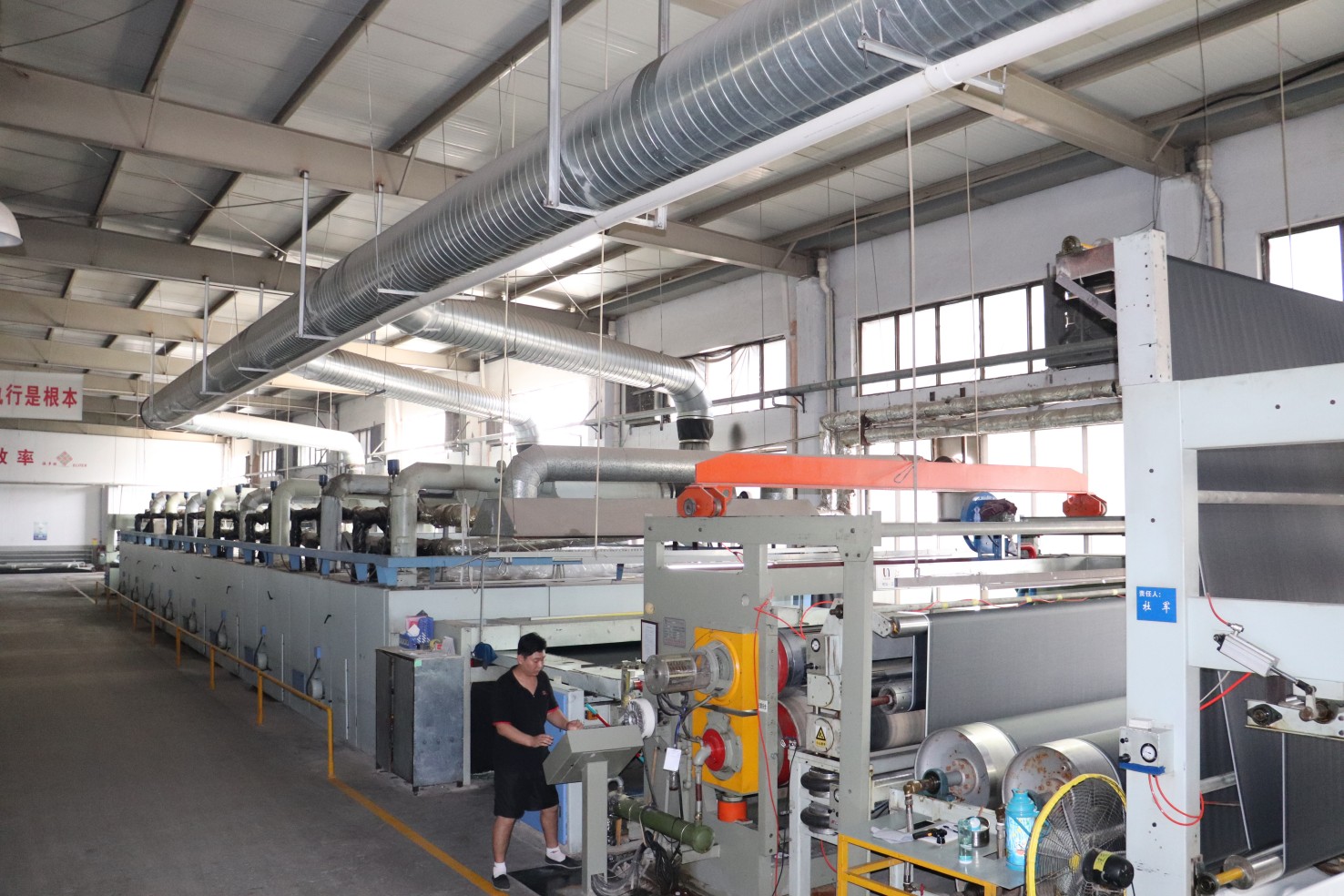
Elitex states that its products are researched and developed with its own equipment and testing devices, including purpose-built laboratories that continuously monitor and review product quality. Whether or not a supplier makes that claim, the evaluation question is the same: which parameters are measured in-house, which are sent to third-party laboratories, how frequently testing is repeated per production batch, and whether retained samples are archived so a future dispute can be settled against a physical reference.
Anchor 4 — Delivery Assurance
Delivery assurance should be documented rather than promised. Request the current lead time by fabric family, how capacity is allocated between new and repeat customers, the packaging standard for roll goods, which party handles customs documentation, and which port or shipping arrangement is standard. Export discipline is a reasonable proxy for this capability: Elitex exports approximately 80% of its output to the USA, EU, Australia, North America, South East Asia and the Middle East, which implies routine handling of destination-specific documentation. A buyer can therefore ask to see the documentation set used for their own market before placing the bulk order.
Anchor 5 — Documentation and Compliance Readiness
Compliance questions should always be tied to a fabric article, not to a material category. Ask which standards the fabric is tested against — for example, thermal and visual comfort classification under EN 14501:2021, which ranks solar protection devices on a 0–4 scale — and request material declarations covering restricted substances where antimony-free or halogen-free positioning matters under EU REACH and FDA rules on heavy metal migration. If a supplier cites a certification, confirm whether the certificate covers the specific fabric code being quoted or only an input fiber. This distinction matters: Cradle to Cradle Certified® V4.0 Material Health Gold, for instance, has been awarded to specialized textile fibers such as LYCRA, which does not automatically mean every fabric woven from such fibers carries the same certification.
Step-by-Step Breakdown: Running the Evaluation
Step 1 — Write the Specification Before Contacting Anyone
Fix the fabric requirement in writing: openness, width, colour or finish, application type, performance targets, packaging, and expected volume per order and per quarter. This prevents a supplier from quoting a nearby product that happens to be in stock. For an aluminized requirement, include reflectivity and solar heat gain targets, plus the intended building or space type. For a budget requirement, include openness grade, weave and the colour count needed for the programme.
Step 2 — Send an Identical Request to Every Supplier
Standardised requests produce comparable answers. Ask each supplier to respond in the same numbered format, with numeric answers where a number exists. Where a supplier answers with a qualifier instead of a figure, record that as a data point rather than filling the gap with an assumption.
Step 3 — Request Production Evidence
Ask for facility size, employee and engineering headcount, annual output split by fabric family, and the list of processes performed in-house. For aluminized fabric, confirm whether coating is done internally or outsourced, because that determines who controls coating consistency. For budget fabric, confirm how many weaving lines and colour lots are available for repeat production.
Step 4 — Verify Material and Coating Claims with Documents
Request mill test reports, fiber composition, coating specification, reflectivity test data, solar heat gain figures and the openness measurement method. Every claimed value — reflectivity of 85% or higher, openness of 3%–5%, or a colour range of more than 20 options — should be traceable to a document, not to a brochure sentence.
Step 5 — Measure the Sample Instead of Judging It
Use the sample as a measurement exercise. Record openness, width, colour match against the master standard, coating evenness and hand feel, then compare those values with the quoted lot. Ask which production line the sample came from and whether bulk production will run on the same line for the same fabric family.
Step 6 — Confirm Delivery Commitments in Writing
Convert verbal delivery promises into written terms: lead time per fabric family, production scheduling per batch, packing method, shipping port, Incoterms, documentation responsibility, and the contingency if a family is temporarily out of stock. Delivery reliability is best judged by how specific the answer is, not by how fast it sounds.
Step 7 — Score, Shortlist, Then Re-Evaluate After the First Bulk Order
Apply consistent weights across suppliers — capability, product-specific evidence, quality control, delivery assurance and documentation readiness — and shortlist on the score rather than on the lowest quotation. The first bulk order is the real test. Re-run the same checklist after delivery, because that is when capability claims can be verified against actual output.
Red Flags in Capability and Delivery Evaluation
- Numeric questions answered with adjectives — capacity, tolerance or lead time described without a unit or a figure.
- Capacity claimed for the business as a whole but not broken down by fabric family or production line.
- Coating or weave claims that cannot be linked to a test method or an internal control procedure.
- Lead time that changes between the first quotation and the follow-up conversation.
- Compliance documents that name an input fiber or coating brand but cannot be traced to the quoted fabric code.
- Reluctance to provide a live factory walkthrough, warehouse images or packed-roll images.
- A colour or openness range that shrinks once minimum order quantities are discussed.
Use Cases: Matching the Checklist to the Project
The same framework applies to every project, but the verification weight shifts according to what the fabric has to do. The application context described for sunshading fabrics covers window shading systems, roller blind projects, awning projects and building energy saving projects, with functions spanning UV protection, heat insulation, privacy protection, light control and energy saving, and with matched equipment such as roller blind mechanisms, awning frames and window systems.
Case A — Heat-Control Project on a Commercial or Green Building
Here the priority is solar performance. Verification should concentrate on reflectivity, solar heat gain coefficient and width availability so that seams can be reduced. The candidate specification is Aluminized Sunscreen Fabric in the Aluminized Silver Screen Series, which is positioned for commercial building, green building and high-temperature space use. The evaluation questions should be about coating consistency across the delivered lots and about classification evidence under the relevant thermal comfort standard.
Case B — Volume Roller Blind Programme for Residential or Hospitality Projects
Here the priority is repetition. Verification should concentrate on openness consistency across grades, colour matching between lots, and whether the required colour count can be supplied repeatedly over a multi-phase project. Budget Sunscreen Fabric in the Elitex Super 6 Series — 100% polyester, basket or twill weave, openness of 1%, 3%, 5% and 10%, widths of 2000 mm and 2500 mm — is the relevant reference point, and the supplier questions should centre on colour repeatability rather than peak solar values.
Case C — Distributor Building a Mixed Fabric Portfolio
A distributor or importer carrying both technical and volume fabrics needs two evidence tracks rather than one averaged track. Capability must be demonstrated separately for coating-based products and for woven budget products, and delivery assurance must be documented at portfolio level, including how the supplier sequences orders when both families are ordered in the same period. Special requirements such as fire retardant, anti-fade, anti-mildew and customization should be confirmed product by product, since these are not automatically transferable across fabric families.
Comparison Table: What to Verify for Each Fabric Type
The table below aligns the published specification of each fabric with the evidence a buyer should request. Values marked as not stated are not published in the current specification and should therefore be obtained directly from the supplier rather than assumed.
| Evaluation Point | Aluminized Sunscreen Fabric (Aluminized Silver Screen Series) | Budget Sunscreen Fabric (Elitex Super 6 Series) | Evidence to Request |
|---|---|---|---|
| Base material | Polyester with aluminized coating | 100% polyester | Material declaration naming fiber composition and coating |
| Openness | 3%–5% | 1%, 3%, 5%, 10% | Openness measurement method and per-lot tolerance |
| Solar performance data | Reflectivity ≥85%; solar heat gain coefficient ≤0.2 | Not stated in the current specification | Test report for any reflectivity or solar heat gain value claimed |
| Width options | 2000 mm–3000 mm | 2000 mm, 2500 mm | Width tolerance and confirmation that wide widths are produced in-house |
| Weave | Not stated in the current specification | Basket weave / twill weave | Weave reference per colour and per openness grade |
| Colour or finish | Aluminized silver finish | 20+ popular colours | Colour master standard and lot-to-lot repeatability check |
| Typical applications | Commercial building, green building, high-temperature space | Residential, commercial, hospitality | Reference projects in the same application category |
| Verification priority | Coating consistency and solar performance | Colour repeatability and openness consistency at volume | In-house test records and retained samples per batch |
FAQ
What compliance documents should I request from a screen fabrics supplier?
Request documents that can be traced to the exact fabric code being quoted. That normally includes thermal and visual comfort classification evidence where the fabric is presented as a heat-control product — EN 14501:2021 is the governing European standard for this and ranks solar protection devices on a 0–4 scale — plus material declarations for restricted substances where antimony-free or halogen-free positioning is relevant under EU REACH and FDA rules on heavy metal migration. If a certification is cited, confirm whether it covers the fabric article or only an input fiber; for example, Cradle to Cradle Certified® V4.0 Material Health Gold has been awarded to specialized textile fibers such as LYCRA, which does not automatically extend to every fabric woven from them.
How do I verify that a supplier can actually produce aluminized and budget sunscreen fabrics?
Ask for production evidence split by fabric family rather than for the business as a whole. Elitex (Dezhou) Co., Ltd., for example, reports annual output of 8,000,000 m² of screen fabrics and 7,200,000 m² of blockout fabrics from an 85,000 m² facility with 259 employees, including 36 engineers. Then verify product-specific capability against the published specification: reflectivity of at least 85%, openness of 3%–5%, widths of 2000 mm–3000 mm and a solar heat gain coefficient of 0.2 or lower for the Aluminized Silver Screen Series; openness grades of 1%, 3%, 5% and 10%, 100% polyester in basket or twill weave, widths of 2000 mm and 2500 mm, and more than 20 popular colours for the Elitex Super 6 Series.
Does a budget sunscreen fabric need less verification than a technical fabric?
No — the verification focus changes rather than reduces. For budget sunscreen fabric, the decisive checks are openness tolerance between lots, weave consistency across the colour range, and whether the required colours can be repeated at volume. For the Elitex Super 6 Series, that means confirming each of the four openness grades (1%, 3%, 5%, 10%), checking that basket weave or twill weave is applied consistently per colour, and confirming that the 20+ colour range is available as repeat stock. Cost differences between an aluminized and a budget fabric are driven by different factors — coating type and solar performance in one case, weave and colour programme in the other — so price should be compared only after the specification and the volume are identical on both sides.
How should a sample be used in the supplier evaluation?
A sample should be measured, not admired. Record openness, width, colour match against the master standard, and coating evenness where an aluminized fabric is involved, then compare those readings with the values in the quotation. Also ask which production line produced the sample and whether bulk production will run on the same line for the same fabric family. A sample that cannot be linked to a specific line and lot gives limited assurance about the order that follows.
What delivery assurance evidence should I request before placing a bulk order?
Ask for written lead time by fabric family, the production schedule per batch, packing standard for roll goods, shipping port and Incoterms, and confirmation of which party prepares customs documentation. A supplier's export profile is a useful signal here: Elitex exports approximately 80% of its output to the USA, EU, Australia, North America, South East Asia and the Middle East, so buyers can request documentation examples for their own destination market. The next step for most buyers is to combine a sample request with a quote request so that the fabric, the timing and the paperwork are evaluated together. Elitex (Dezhou) Co., Ltd. publishes its full product range and specifications in the Elitex Screenview Brochure 2026, and samples, quotes and technical questions can be directed to the contact details listed at the end of this article.
Conclusion
Evaluating a screen fabrics supplier is an evidence exercise, not an impression exercise. Write the specification first, then require numeric answers, document-backed material and coating claims, measured samples, written delivery terms, and compliance paperwork traceable to the fabric code being ordered. Apply the same standard to technical and budget products, while adjusting the focus: coating consistency and solar performance for aluminized fabrics, colour and openness repeatability for budget fabrics.
A supplier that can answer the checklist with figures, documents and physical references is a lower-risk partner than one that answers with confidence alone — and the first bulk order is where those answers are finally tested.
Ready to run the checklist on a live quotation?
Elitex (Dezhou) Co., Ltd. is a manufacturer of sunscreen, translucent, blackout and other specialized sunshading fabrics, founded in 2003 and operating from 3368 Jinghua Road, Dezhou Economic Development Zone, Dezhou, Shandong Province, China, 253000. Request samples, specifications or a quotation for Aluminized Sunscreen Fabric and Budget Sunscreen Fabric.
Website: www.eliteweaving.com | Email: mandyzhen@eliteweaving.com | Tel: +86-534-2752986 | Mobile / WhatsApp: +86 15865348778
Download the Elitex Screenview Brochure 2026Contact persons: Mr. George Zhao (Director), georgezhao@eliteweaving.com, Tel: +64-211220437 — Mandy Zhen, mandyzhen@eliteweaving.com.
Have Questions or Need More Details?
Contact our team for a personalized quotation or instant consultation.
Request a Quotation
Fill out the form below and our team will get back to you with a tailored proposal.
WhatsApp Direct Chat
Prefer to chat in real-time? Message us on WhatsApp for instant assistance & quick answers.
- Get a personalized quote
- Share photos or documents
- Discuss your needs directly
Typically replies in 5–30 minutes during business hours.