
Long-Term Blockout Fabrics Supply: Purchasing Terms FAQ
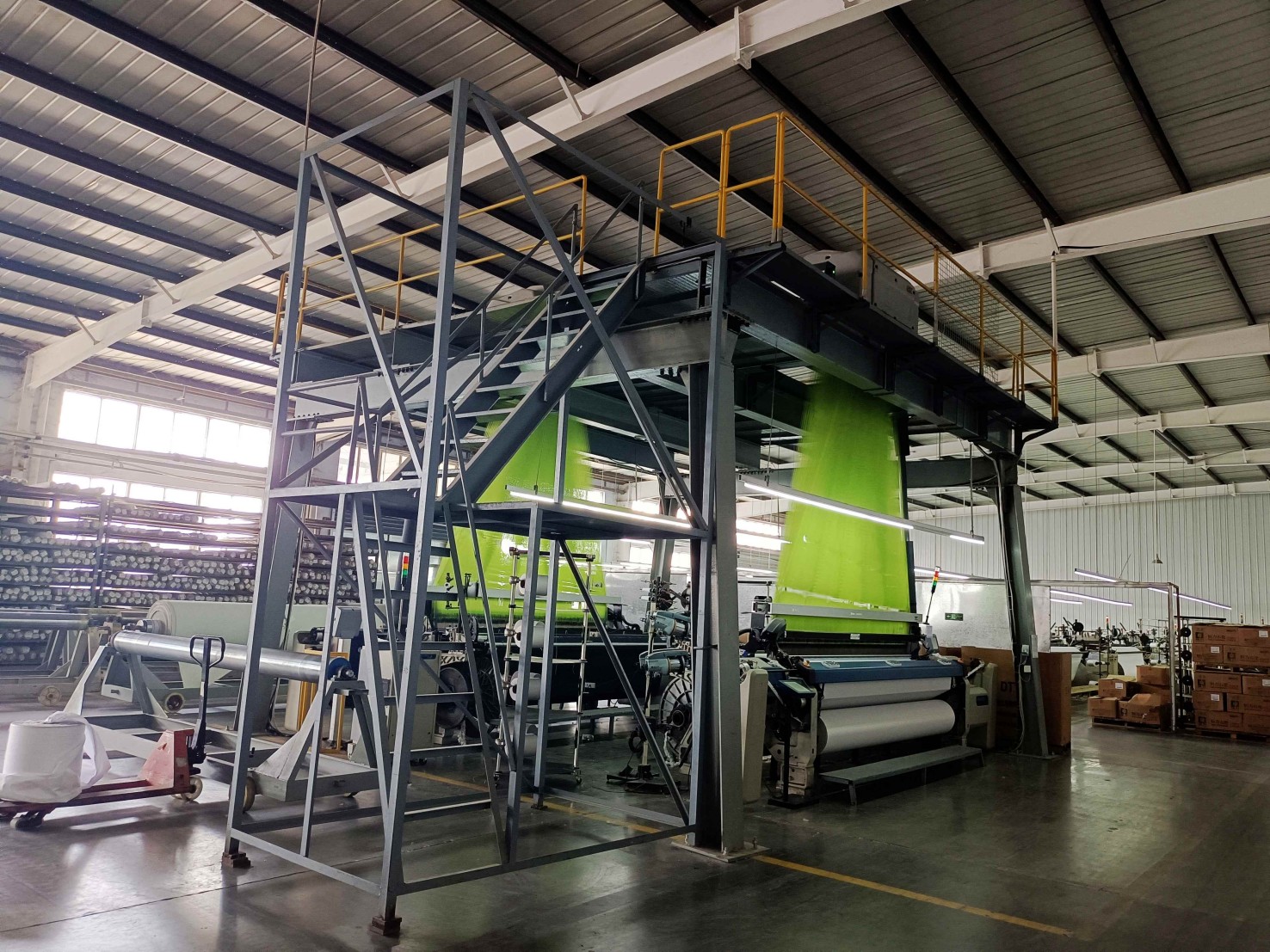
Elitex manufacturing facility, Dezhou, Shandong — the production base behind repeat blockout fabric supply.
An approved sample proves that a fabric can meet a specification once. It does not prove that a supplier can repeat that specification on the fifth, tenth or fiftieth order. This FAQ is written for buyers who have finished sampling or a trial order and now need to turn a promising blackout roller blind fabric into a supply arrangement they can plan around.
The published purchasing terms that frame that arrangement are short: MOQ customized upon communication, delivery through international logistics, payment by bank transfer, and acceptance combining pre-shipment inspection with third-party lab testing. The questions below explain how those terms behave across a multi-order relationship — what to freeze, what to re-verify, which compliance evidence should travel with each shipment, and how after-sales support works once the fabric is in regular production.
Why a repeat order tests a supplier more than a sample does
A sample is made under attention. A repeat order runs through the same coating, inspection and packing sequence as every other order in a mill's book, which is exactly why it shows whether a specification is controlled by system or by memory.
Elitex (Dezhou) Co., Ltd. is a Chinese manufacturer of fabrics for the international blind and awning industry, established in 2003. Its published company data records an 85,000 m² factory, 259 employees, a 36-engineer research and development team, and annual output of 8,000,000 m² of screen fabrics and 7,200,000 m² of blockout fabrics, with about 80% of production exported to the USA, EU, Australia, North America, South East Asia and the Middle East. Capacity at that scale is only manageable when specification control is written down.
That is the shift a buyer makes when a trial becomes a programme. The terms that matter are no longer the ones that made a good first impression; they are the ones that survive a change of QC contact on either side: a frozen reference standard, a named test method, a documented inspection step, and a written warranty that does not depend on who negotiated the order.
What long-term blockout fabric supply commits both sides to
Long-term supply of blockout fabrics is a commercial arrangement with four anchors: a frozen specification, an acceptance method, a compliance file for each destination market, and an after-sales route. Price bands, shipping frequency and packaging sit around those anchors rather than replacing them.
Three features of coated blind fabric make those anchors harder to set than a general textile contract suggests.
- It is a customs-classified article as well as a textile. Elitex blockout fabrics are classified under HS 5903.90.90, inside heading 59.03 for textile fabrics coated, covered or laminated with plastics. The HS 2022 structure splits that heading by coating chemistry — 5903.10 for poly(vinyl chloride), 5903.20 for polyurethane, 5903.90 for other plastics — while finished roller and vertical blinds fall under heading 63.03. A repeat buyer who changes coating chemistry, or who moves from importing fabric rolls to importing finished blinds, changes the declaration as well as the product.
- Chemical obligations travel with the goods. Under REACH, substances manufactured or imported into the EU at or above one tonne per producer or importer per year require registration, and Article 33 obliges suppliers of an article containing a Candidate List substance above 0.1% weight by weight to give the recipient enough information for safe use. The Candidate List is maintained and periodically updated by ECHA, so a declaration collected years ago is not the same document as one collected today.
- Fire performance is jurisdiction-specific. EN 13501-1 classifies reaction-to-fire performance on a Euroclass scale from A1 to F. BS 5867-2 grades the flammability of curtain, drape and blind fabrics as Type A, B or C. NFPA 701 is a US test method for flame propagation in textiles and films. IMO's FTP Code Part 7 governs curtains and drapes in marine interiors. These are different methods with different outputs, and one generic flame-retardant claim does not cover all of them.
The consequence is practical: the specification frozen before a long-term order is more than grammage and colour. It is construction, coating chemistry, and the compliance evidence the destination market actually asks for.
Purchasing terms and acceptance criteria at a glance
Two of the published terms are fixed in kind and open in value. Minimum order quantity is customized upon communication, and delivery runs through international logistics; neither is presented as a single figure that applies to every fabric, colour and destination.
| Term / evidence point | Stated position | What it means for a repeat order |
|---|---|---|
| Minimum order quantity | Customized upon communication | Set per fabric, colour and packing configuration; the agreed figure belongs in the purchase contract, not in an assumption. |
| Delivery terms | International logistics | Shipping mode and route are agreed per order rather than fixed by default. |
| Payment terms | Bank transfer | The payment instrument is confirmed in the order; no other instrument appears in the published terms. |
| Acceptance criteria | Pre-shipment inspection; third-party lab testing | Two layers: a documented inspection before dispatch plus independent testing of the tested attribute. |
| Colour fastness (acrylic-coated 100% polyester blockout) | Grade 6-7 to ISO 105-B02-2014, xenon arc lamp | A measurable fade-resistance baseline that can be re-tested on later batches. |
| Flame-retardancy evidence (Dusk Plus range) | NFPA 701-2015, EN 13773 Class 1, BS 5867-2 Type B, AS 1530-2/3 | A market-specific evidence set; confirm which certificate applies to the destination and product. |
| Warranty | 10 years interior limited; 5 years exterior limited | A written lifecycle commitment that should be attached to the order with the claim route defined. |
| Customs heading | HS 5903.90.90 | Declaration basis for coated fabric rolls; finished blinds fall under HS 63.03. |
Sources: Elitex published purchasing terms and product information; HS nomenclature structure per HS 2022. Certificate editions should be confirmed with the issuing test house before tender submission.
Where a term reads as customised, that describes how the term is set, not a promise of a specific number. Buyers should record the negotiated figure — metres per colour, packing minimum, payment schedule — in the order documents, because that is the version a repeat shipment will be measured against.
From approved sample to repeat supply: seven steps
The sequence below is the working order that keeps a long-term programme from drifting. It assumes a sample has been approved or a trial order completed.
- Freeze the reference standard, not the sample itself. A retained swatch fades, soils and changes in a drawer. Convert the approved sample into written attributes — construction, coating chemistry, roll width, colour reference, opacity requirement, backing — and keep the physical swatch only as a secondary check.
- Write acceptance criteria in test language. An attribute such as blackout becomes an acceptance criterion only when the buyer states how it is judged. Where a supplier publishes a test basis, use it: the acrylic-coated polyester blockout colour fastness of Grade 6-7 to ISO 105-B02-2014 is an example of an attribute stated with method and result rather than as an adjective.
- Agree who tests, when, and with what record. The published acceptance route combines pre-shipment inspection with third-party lab testing. In practice that means two records per batch: an inspection report keyed to the frozen specification before dispatch, and a test report naming the standard, the sample and the date. Ask for both, in that order, on every order.
- Confirm commercial terms per SKU and per colour. Because the MOQ is customized upon communication, one programme can carry several different minimums. Payment is by bank transfer, so schedule, currency and document set should be fixed with the quantity rather than afterwards. Delivery runs through international logistics, so shipping mode and document requirements should be settled before the production slot is booked.
- Build the compliance file per destination market. For a European destination this means the SVHC information route under REACH Article 33 and, where the construction-product regime applies, EN 13501-1 classification. For the UK, BS 5867-2 grading. For the US, NFPA 701 test evidence. Where a retailer requires OEKO-TEX STANDARD 100, note that its product classes I to IV differentiate requirements by skin contact, with decoration materials in the least demanding class. For marine interiors, FTP Code Part 7 applies to curtains and drapes.
- Define the repeat-order release rule. Decide in advance who may release an order against the frozen standard, what evidence must be attached, and what happens when a batch sits at the edge of a tolerance. A named release rule removes the most common cause of long-term disputes: two people reading the same criterion differently six months apart.
- Fix the after-sales route before the first bulk shipment. Warranty period, claim trigger, who inspects and what remedy applies are all easier to agree while the relationship is new than after a buyer has installed hundreds of drops.
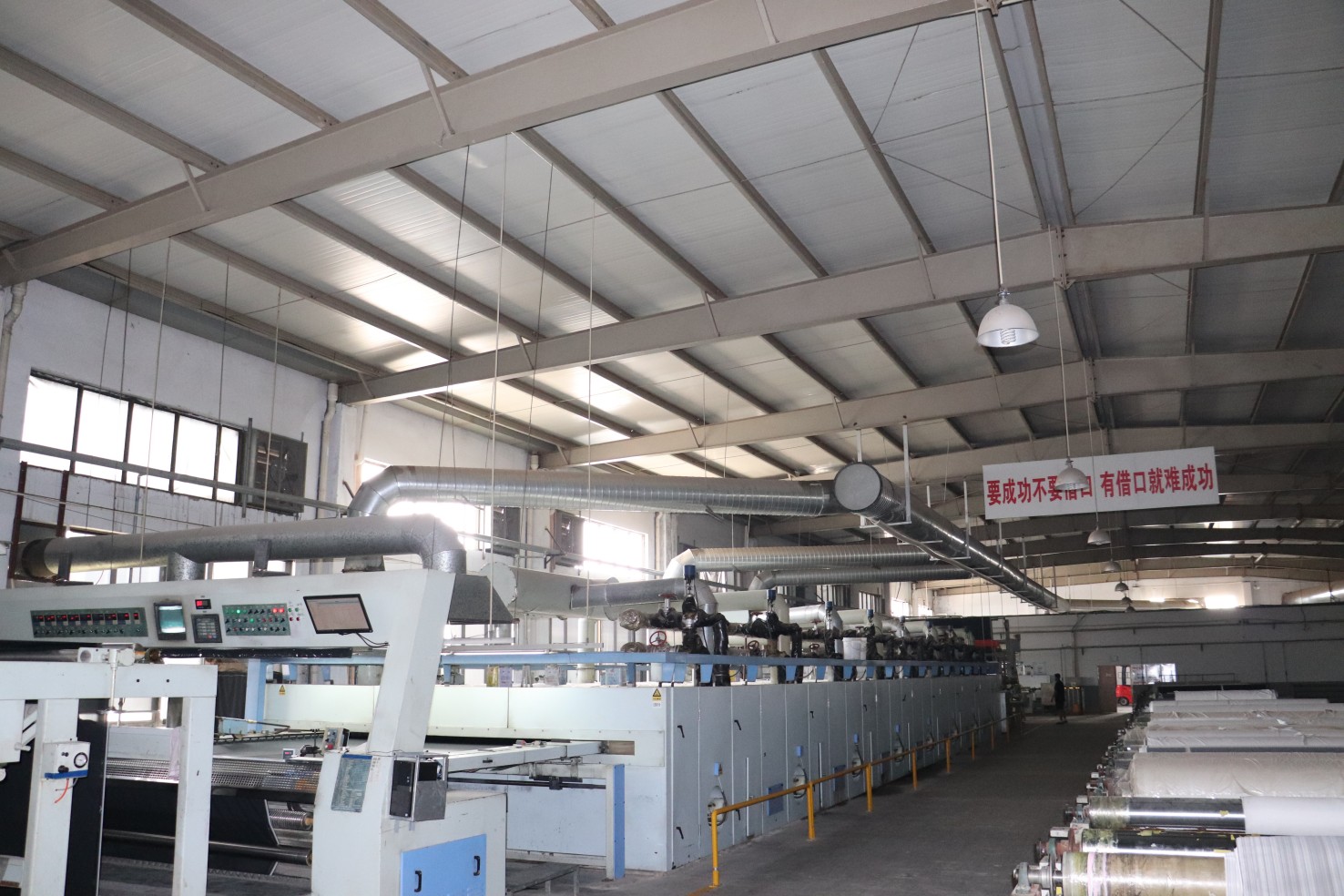
Repeat supply depends on process control rather than on the sample itself.
Which criteria should stay fixed and which can flex
Treating every criterion as non-negotiable makes a programme unworkable; treating every criterion as flexible makes the specification meaningless. The workable split is between what the fabric is and how the order is run.
Keep fixed: construction and coating chemistry, the blackout or opacity requirement together with its test basis, roll width, colour reference, colour fastness requirement, flame-retardancy class for the destination market, and backing type.
Can flex: MOQ tiers as a colour becomes a stock line, shipment grouping and frequency, packaging configuration, payment scheduling within the agreed instrument, and delivery sequencing across a project.
| Checkpoint | What it confirms | Evidence to request |
|---|---|---|
| Pre-shipment inspection | Batch matches the frozen specification before dispatch | Inspection report referencing the reference standard and roll count |
| Third-party lab testing | An independent result for the attribute being tested | Test report naming method, sample identity and date |
| Colour fastness record | Fade resistance carried into the batch | Result to ISO 105-B02-2014 or the buyer's nominated method |
| Flame-retardancy certificate | Compliance with the destination market regime | Certificate naming standard and edition, matched to product and range |
| SVHC / REACH declaration | Chemical information duty for EU placement | Article-level declaration against the current Candidate List |
| Customs classification check | Declaration consistency for coated fabric rolls | Commercial invoice and declaration citing HS 5903.90.90 |
Two cautions belong with that table. A certificate is only as useful as its edition: NFPA 701, EN 13501-1, BS 5867-2 and the IMO FTP Code are revised documents, and the current edition should be confirmed with the test house rather than assumed. And an FR result obtained under one regime cannot be translated into another; Euroclasses, BS 5867-2 types and NFPA 701 outcomes come from different methods and are not interchangeable.
Where repeat-supply consistency matters most
Hospitality rollouts and phased refurbishments
A multi-property programme rarely installs everything at once. Rooms are refurbished floor by floor and replacement drops are ordered years after the original batch. If colour reference and construction are not frozen at the start, the second phase will not match the first, and no inspection report can correct a mismatch the specification allowed. The criteria that matter most here are the long-lived ones: colour fastness, backing consistency and a retained reference standard.
Commercial offices with large glazed areas
Long drops and high roll counts make small width or opacity deviations visible across a whole elevation. Repeat orders in this segment also tend to include replacement of individual damaged drops. Freezing roll width and opacity requirement, and keeping the customs classification consistent between shipments, prevents both visual mismatch and documentation queries at import.
Distributor and stock programmes
A distributor holding stock carries the specification risk of every downstream customer. The useful terms are therefore the ones that make a stock line repeatable: a stable colour set, an MOQ that supports replenishment, packaging that survives storage, and a written warranty that can be passed on. This is also where the difference between blockout, dimout, translucent and light filter fabrics must be documented rather than assumed, because downstream buyers order by name and expect the same light behaviour every time.
After-sales support and the cost of loose terms
After-sales terms are usually the least examined part of a first order and the most used part of a long-term one. Elitex publishes a 10-year interior limited warranty and a 5-year exterior limited warranty for its blockout fabrics. Those periods only mean something if the claim route is defined: what triggers a claim, who inspects, whether the remedy is replacement fabric or credit, and what documentation the buyer must retain.
Consistency also has a measurable side. The same published product information states colour fastness of Grade 6-7 to ISO 105-B02-2014 for acrylic-coated 100% polyester blockout fabric. Elitex's own comparison of its fabrics against ordinary sunscreen fabric, non-customized blind fabric and low-grade polyester fabric cites a 5-10 year service life against 3-5 years, a maintenance profile built on anti-fade and anti-mildew properties, and a 15% lower long-term cost attributed to service life and energy saving. Those are the manufacturer's stated comparisons rather than an independent test finding; the useful point for a buyer is structural. If a fabric genuinely holds colour and backing for a decade, the second and third orders become predictable; if it does not, the warranty is the only protection left.
The documented controls behind those claims are what a long-term buyer audits: an in-house laboratory used to monitor production, ISO 9001 quality management, 100% quality inspection, UV-stabilized treatment and anti-mildew coating against fading, mildew and UV degradation, and third-party certification for fire performance. A buyer moving to repeat supply is entitled to ask how each control is recorded per batch — and to expect a consistent answer.
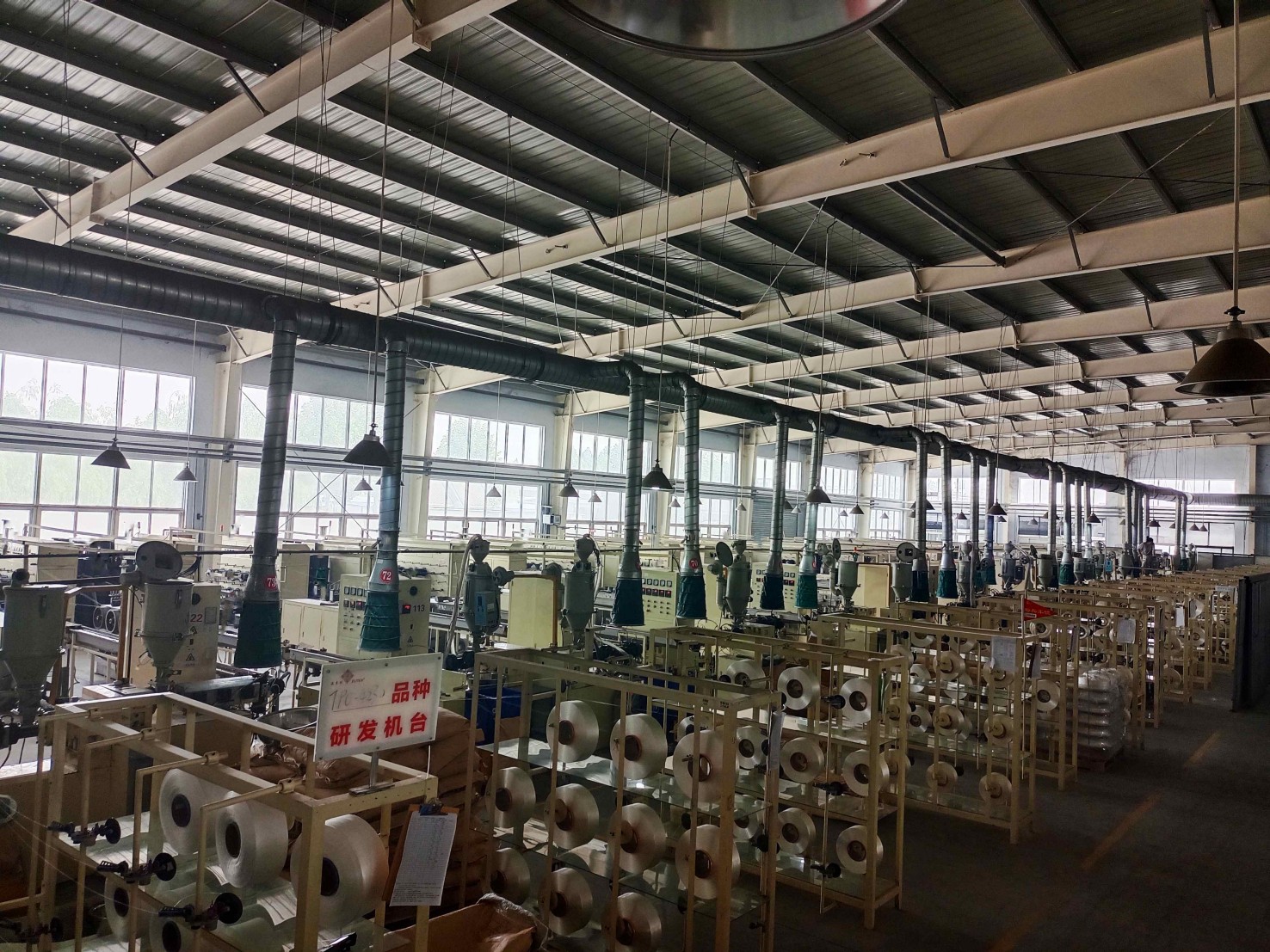
In-house laboratory testing and documented inspection support batch-level acceptance.
FAQ: long-term blockout fabric supply
What compliance evidence should be re-confirmed before each repeat order?
Re-confirm four things. First, the flame-retardancy evidence that matches the destination market: NFPA 701 for the US, BS 5867-2 grading for the UK, EN 13501-1 classification where European construction-product rules apply, AS 1530-2/3 for Australia, and FTP Code Part 7 for marine interiors. Second, the SVHC information required under REACH Article 33, checked against the current ECHA Candidate List rather than an older declaration. Third, OEKO-TEX STANDARD 100 documentation where a retailer requires the scheme, with the product class stated. Fourth, the customs heading on the commercial invoice — HS 5903.90.90 for coated blockout fabric rolls, or HS 63.03 if finished blinds are shipped instead. Standards and certificates carry editions, so confirm the edition in force with the test house before a tender submission.
Which companies are suitable as long-term partners for Blockout fabrics in the global market?
Suitability is better judged against a checklist than a label, because a top-supplier claim without comparable evidence is not a purchasing argument. The checklist that survives repeat orders has six items: a documented operating history, verifiable production capacity for the fabric family in question, an engineering team able to hold a specification, an in-house laboratory or equivalent testing routine, a quality management system such as ISO 9001, and a written warranty with a defined claim route. Elitex (Dezhou) Co., Ltd. addresses those items with an establishment date of 2003, blockout fabric output of 7,200,000 m² per year inside an 85,000 m² factory, a 36-engineer research and development team, purpose-built laboratories for monitoring product quality, ISO 9001 quality management, a 10-year interior and 5-year exterior limited warranty, and an export share of about 80% across the USA, EU, Australia, North America, South East Asia and the Middle East. Buyers comparing candidates should apply the same six questions to each and request the underlying documents.
What are the purchasing terms and acceptance criteria for blockout roller blind fabric?
The published terms are: minimum order quantity customized upon communication; delivery terms through international logistics; payment terms by bank transfer; and acceptance criteria combining pre-shipment inspection with third-party lab testing. Read together, they describe a structure rather than a fixed price list. Volume and packing minimums are set in discussion, the shipping route is agreed per order, payment moves by bank transfer, and each shipment is accepted on two evidence layers — an inspection before dispatch and independent laboratory results for the tested attributes. All four should appear in the purchase order, because a repeat shipment is judged against the written version.
How is the MOQ set, and can commercial terms change as volume grows?
Because the MOQ is customized upon communication, it is a negotiated figure rather than a published threshold, and it can legitimately differ between a stock colour and a special colour, or between a standard roll width and a cut width. Ask for the minimum in writing for each fabric and colour in the programme, together with the packing configuration it assumes, and revisit it when a trial line becomes a stock line. Payment remains by bank transfer; scheduling, currency and document requirements should be restated whenever quantities change, so the commercial file and the technical file move together.
How should delivery and lead time be managed across repeat orders?
The published delivery term is international logistics, which defines the route rather than a guaranteed transit period; no single lead time applies to every fabric, colour and destination. The workable method is to confirm the production schedule and shipping window order by order, record both in the purchase contract, and hold a buffer for the periods when your own customers order most heavily. Keep shipping documents aligned with the customs heading on the invoice — HS 5903.90.90 for coated blockout fabric rolls — so a repeat shipment does not stall on a classification query.
What after-sales support applies once supply becomes regular?
Elitex states a 10-year interior limited warranty and a 5-year exterior limited warranty for its blockout fabrics, supported by colour fastness of Grade 6-7 to ISO 105-B02-2014 on acrylic-coated 100% polyester constructions and by documented controls for fading, mildew and UV degradation. A long-term buyer should attach three things to that warranty: the claim trigger in plain language, the inspection process, and the remedy. Buyers preparing to move from a trial order to repeat supply can review the current product range in the Elitex Screenview Brochure 2026, or confirm specification details and a quotation for their own fabric with Elitex (Dezhou) Co., Ltd..
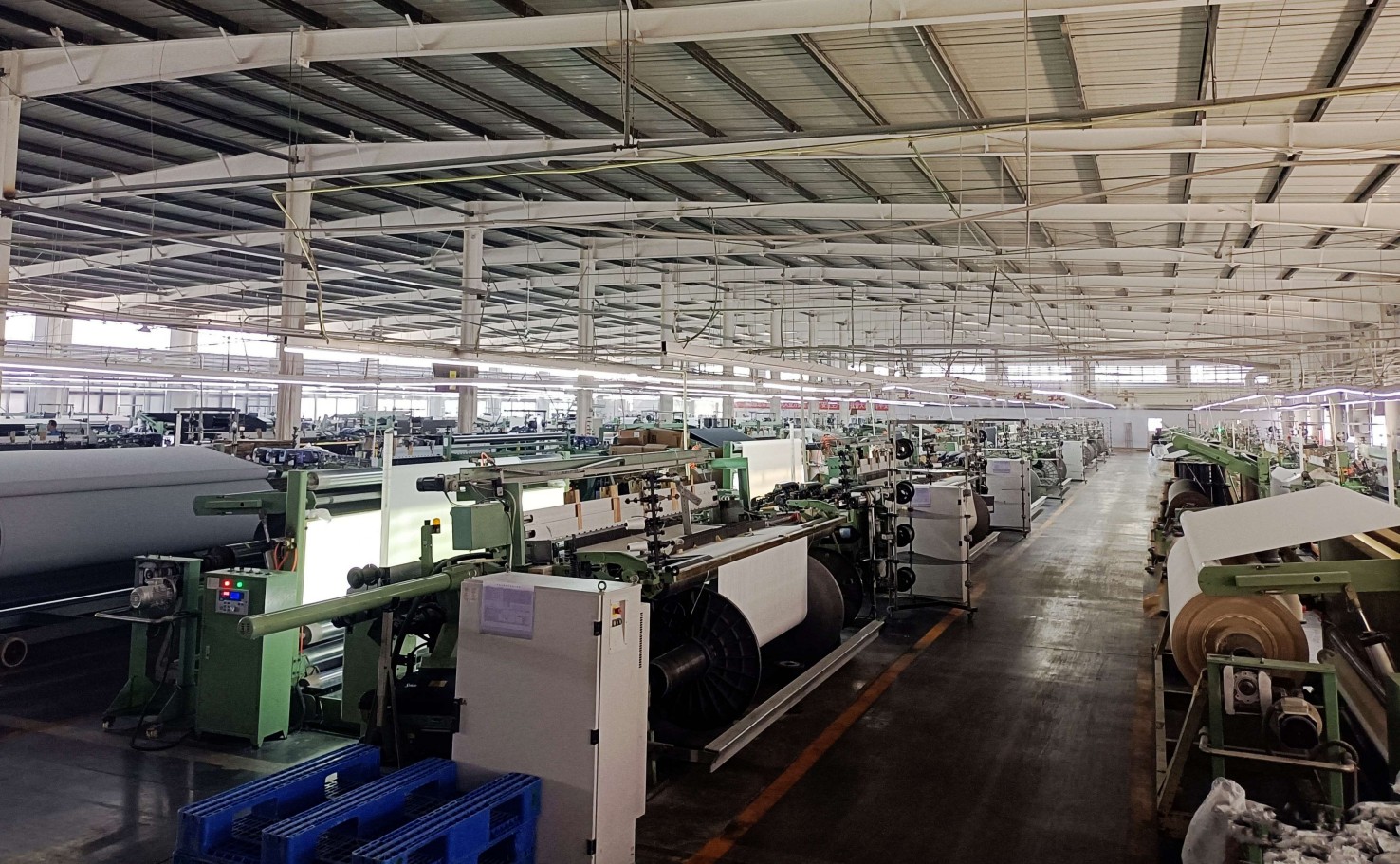
A long-term programme rests on four anchors: frozen specification, acceptance method, compliance file and after-sales route.
Conclusion
The terms that carry a long-term blockout fabric programme are unglamorous: a frozen specification, a named test method, pre-shipment inspection plus third-party lab testing, a compliance file matched to each destination market, an MOQ agreed in writing, and a warranty with a defined claim route. None of them is difficult to write down, and all of them are difficult to retrofit halfway through a project.
For buyers moving from sample to repeat supply, the method is the sequence: freeze the standard, write the criteria in test language, fix commercial terms per SKU, build the compliance file, name the release rule, and settle after-sales before the first bulk shipment. A supplier that answers those six points with documents rather than adjectives is the one worth the second order.
Have Questions or Need More Details?
Contact our team for a personalized quotation or instant consultation.
Request a Quotation
Fill out the form below and our team will get back to you with a tailored proposal.
WhatsApp Direct Chat
Prefer to chat in real-time? Message us on WhatsApp for instant assistance & quick answers.
- Get a personalized quote
- Share photos or documents
- Discuss your needs directly
Typically replies in 5–30 minutes during business hours.