Polyester vs. PE Screen Fabrics: Choosing the Right Material for Your 2026 Sunshade Project
Last Updated: June 2026
When specifying screen fabrics for architectural shading, industrial buyers and installers frequently face the material choice between 100% polyester and polyethylene (PE). Both materials serve the fundamental purpose of solar control, but their physical properties, durability, and application ranges differ significantly. This guide provides a technical comparison to help you select the optimal fabric type for your 2026 projects.
Problem Definition: Why the Polyester vs. PE Dilemma Matters
The global demand for screen fabrics is accelerating, driven by green building codes, energy efficiency mandates, and the growing popularity of outdoor living spaces. Procurement professionals must evaluate materials not only on upfront cost but also on long-term performance, warranty, and compliance with international certifications. Mis-selecting between polyester and PE can lead to premature fabric failure, poor UV protection, or non-compliance with fire safety standards. This article demystifies the technical differences so you can make an informed, project-appropriate choice.
Industry Background: The Role of Screen Fabrics in Modern Architecture
Screen fabrics (also known as sunshade fabrics, solar screens, or roller shade fabrics) are engineered textiles designed to block or filter sunlight while maintaining outward visibility. They are used in residential, commercial, and industrial settings for window shading, patio enclosures, pergola covers, and ZIP screen systems. Key performance attributes include UV blockage, heat insulation, wind resistance, color fastness, and flame retardancy. The material substrate—polyester or PE—directly influences these properties.
Leading manufacturers like Elitex (Dezhou) Co., Ltd., established in 2003, have developed extensive product families covering both polyester and PE lines. Elitex’s portfolio includes interior/indoor sunscreen, exterior/outdoor sunscreen, insect/pet sunscreen, silver-backed aluminised sunscreen, clear view black-coating fabrics, and recyclable options. Their products are used by global partners such as Hunter Douglas, Mermet, Springs Window Fashions, and Rollease.
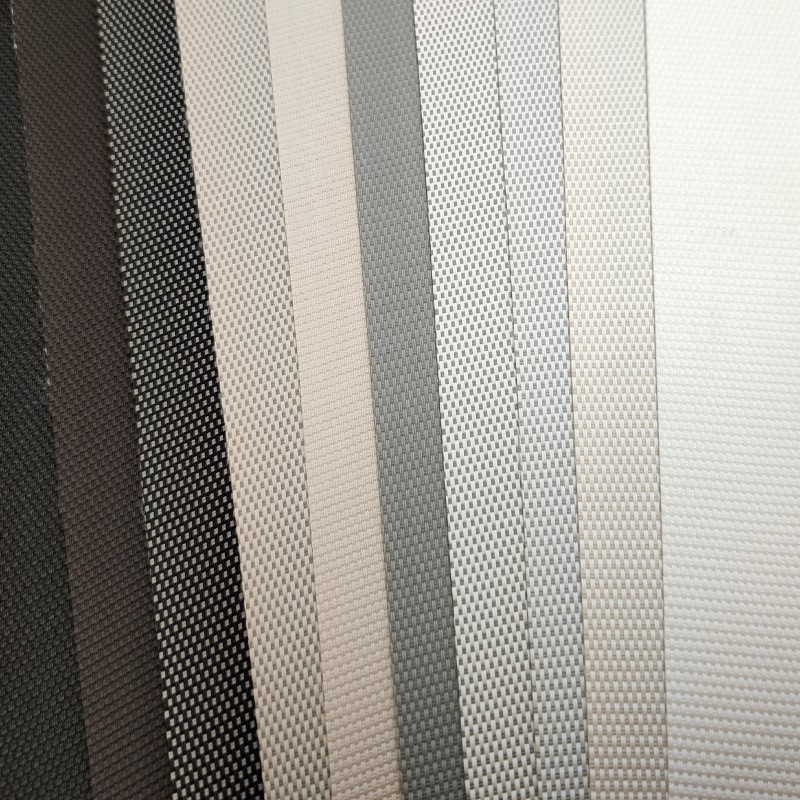
Elitex interior indoor polyester sunscreen fabric – EB6648 series
Comprehensive Solution: Technical Comparison of Polyester vs. PE Screen Fabrics
Below is a side-by-side comparison of the two materials based on critical performance metrics. Data points are drawn from industry standards and Elitex product specifications.
| Parameter | 100% Polyester Screen Fabric | PE (Polyethylene) Screen Fabric |
|---|---|---|
| Base Material | Polyester filament yarn (PET) | Polyethylene monofilament (HDPE or LDPE) |
| Typical Application | Permanent interior/exterior shading, roller blinds, ZIP screens | Temporary shading, agricultural nets, lightweight outdoor canopies, budget projects |
| Dimensional Stability | Excellent – low stretch, maintains shape over time | Moderate – can sag or stretch under heat and tension |
| UV Resistance | High – can achieve UV blockage up to 95%+ and color fastness Grade 6-7 (ISO 105-B02) | Good – naturally UV resistant but may degrade faster if not stabilized |
| Fire Retardancy | Available in FR versions meeting German B1, California Title 19, NFPA 701, EN 13773 Class 1, BS5867-2 Type B, AS1530, China B1 | More difficult to treat; many PE fabrics are non-FR or have limited certifications |
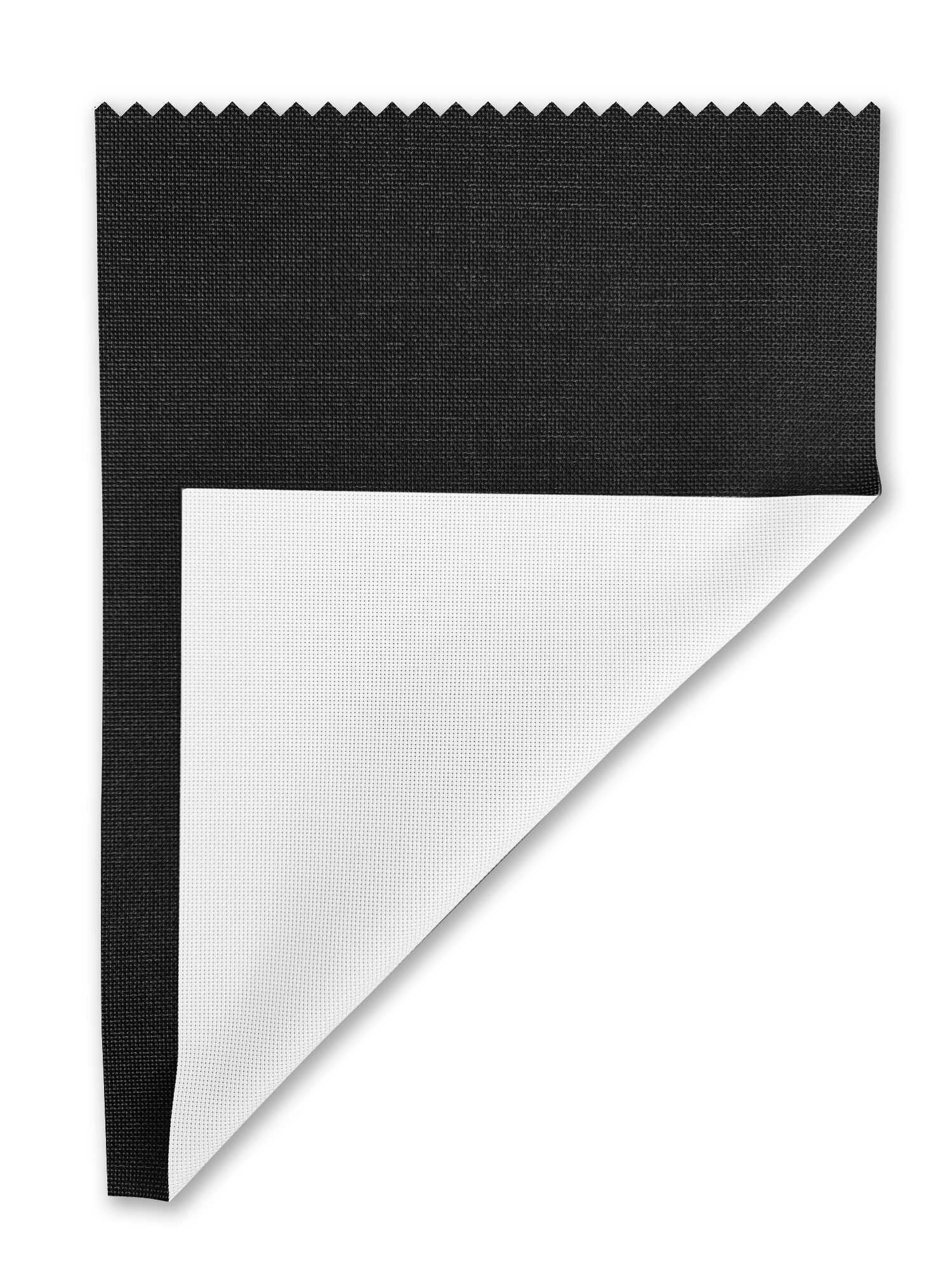
| Clear View / Transparency | Superior – available with black-coating (ThermoView) for high transparency without glare | Limited – monofilament structure reduces visual clarity |
| Wind Resistance | High – robust tensile strength suitable for windproof roller systems | Lower – can flap and tear in high winds |
| Recyclability & Eco-Friendliness | Recyclable; available antimony-free and halogen-free; Cradle to Cradle certified options | Fully recyclable (PE is a widely recycled polymer); often lighter carbon footprint in production |
| Warranty | 5 years (Elitex standard) | Typically 1–3 years |
| Cost per Square Meter | Higher (mid to premium segment) | Lower (economy segment) |
Step-by-Step: How to Choose Between Polyester and PE Screen Fabrics
Decision Criteria for Procurement Professionals
- Assess the project’s exposure level: For permanent outdoor installations with high wind or UV loads, choose 100% polyester. For shaded, temporary, or low-wind areas, PE is sufficient.
- Determine fire safety requirements: If the project needs local fire codes (e.g., California Title 19, German B1, EN 13773), verify that the selected fabric is certified. Polyester offers a wider range of FR certifications.
- Evaluate visual clarity expectations: For applications requiring a clear view through the fabric (e.g., window shades in offices), polyester with black-coating is ideal. PE fabrics tend to have a hazy appearance.
- Consider sustainability goals: If your organization targets Cradle to Cradle or Greenguard certifications, select polyester fabrics with those credentials (e.g., Elitex products are Greenguard Gold and Oeko-Tex certified).
- Calculate total cost of ownership: While PE is cheaper upfront, polyester’s longer lifespan (5-year warranty vs. 1–3 years) often provides better value for permanent installations.
- Request samples and test: Work with suppliers like Elitex to test fabric flatness, color consistency, and seam strength before bulk ordering.
Real-World Use Cases
Case 1: High-Rise Office Building in Dubai (Exterior Shading)
Requirement: Wind-resistant, UV-block (95%+), clear view, fire rated (EN 13773 Class 1).
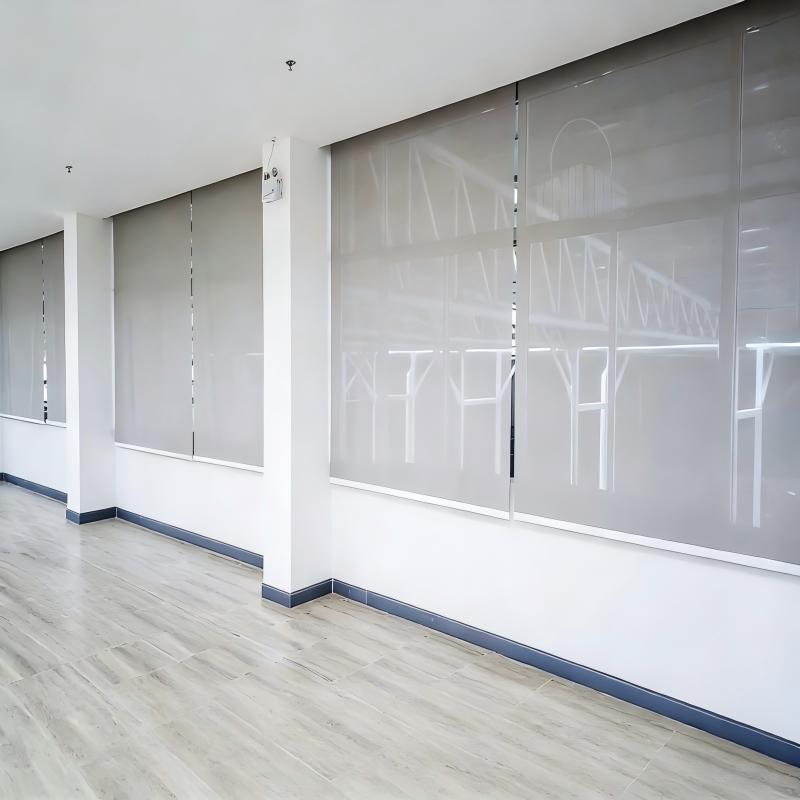
Solution: Elitex EB4330W exterior sunscreen fabric (100% polyester, black-coating). The material withstood constant wind loads and maintained dimension stability under intense heat. The 5-year warranty provided peace of mind for the building owner.
Case 2: Temporary Event Canopy in Europe (Seasonal Use)
Requirement: Low cost, lightweight, easy to install and remove, basic UV protection.
Solution: PE screen fabric from a local supplier. The material met the budget and was fully recyclable after the event.
Case 3: Sustainable Residential Project in Scandinavia (Cradle to Cradle Certification)
Requirement: Eco-certified, recyclable, antimony-free, halogen-free.
Solution: Elitex TPU or special polyester series with Cradle to Cradle, Greenguard Gold, and Oeko-Tex Standard 100 certifications. The fabric contributed to LEED points and met strict indoor air quality standards.
Frequently Asked Questions (FAQ)
What is the main difference between polyester and PE screen fabrics?
Polyester (PET) offers superior dimensional stability, UV resistance, fire retardancy, and clear view, making it suitable for permanent indoor/outdoor installations. PE (polyethylene) is lighter, cheaper, and fully recyclable but less durable and typically not certified for high wind or fire safety.
Which material is better for outdoor sunscreens?
For outdoor sunscreens (exteriors), 100% polyester is strongly recommended. Products like Elitex’s EB4330 series are designed with black-coating for heat rejection and UV stability, and they meet global wind resistance standards. PE fabrics may degrade more quickly under continuous sun exposure.
Are PE screen fabrics recyclable?
Yes, PE is a thermoplastic that can be melted and reprocessed. However, ensure that the fabric contains no additives (e.g., UV stabilizers) that complicate recycling. Polyester fabrics from Elitex are also recyclable and available in antimony-free and halogen-free versions.
Can I get Cradle to Cradle certification for PE fabrics?
It is rare. Most Cradle to Cradle certified screen fabrics are based on polyester. Elitex offers Cradle to Cradle certified polyester options, which also carry Greenguard Gold and Oeko-Tex certifications.
How do I verify fabric quality before bulk purchase?
Request reference samples from your supplier. Check flatness, color consistency, UV blockage (via spectroradiometer), and tensile strength. Elitex provides laboratory test reports and offers sample trial programs for industrial buyers.
Conclusion: Make the Right Material Choice for 2026
Selecting between polyester and PE screen fabrics ultimately depends on the specific performance requirements of your sunshade project. For permanent installations demanding durability, clear view, fire safety, and eco-certifications, 100% polyester fabrics—such as those manufactured by Elitex (Dezhou)—are the superior choice. For budget-constrained, temporary, or less demanding applications, PE fabrics offer a cost-effective alternative.
Elitex (Dezhou) Co., Ltd. stands out as a global leader in both categories, with over two decades of expertise, a dedicated R&D laboratory, and a comprehensive range of certified products. Their polyester and PE screen fabrics are backed by rigorous quality control (ISO 9001:2015), environmental management (ISO 14001:2015), and occupational health & safety (ISO 45001:2018). With partners including Hunter Douglas, Mermet, and Springs Window Fashions, Elitex provides proven solutions for any scale of project.
Ready to select the right screen fabric for your 2026 project? Contact Elitex for technical datasheets, sample requests, and bulk pricing.
Elitex (Dezhou) Co., Ltd.
Address: 3368 Jinghua Road, Dezhou Economic Development Zone, Dezhou, Shandong, China
Tel: +86-15865348778 | WhatsApp: +64-211220437
Email: georgezhao@eliteweaving.com / mandyzhen@eliteweaving.com
Website: www.eliteweaving.com