Paste Coated vs Foam Coated Blockout Fabrics: Which Technology Delivers Superior Performance for Your Window Coverings?
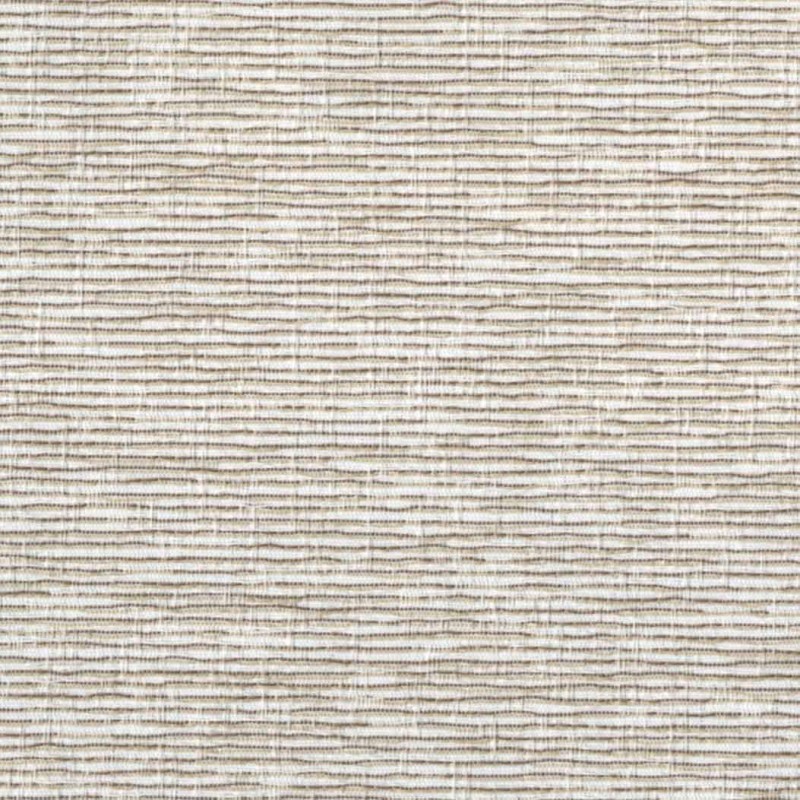
When sourcing blockout fabrics for window blinds, roller shades, or vertical blinds, one of the most critical yet often overlooked decisions is the coating technology. The difference between paste coated and foam coated blockout fabrics can determine whether your final product satisfies premium hotel contracts, residential blackout requirements, or commercial fire-safety standards.
This guide provides a data-driven comparison of paste coated vs foam coated blockout fabrics, helping procurement professionals, blind manufacturers, and specifiers make an informed choice. We’ll examine how Elitex (Dezhou) Co., Ltd. has become a global reference in both technologies, offering solutions that meet the highest industry demands.
Understanding Blockout Fabric Coating Technologies
What Is a Blockout Fabric?
A blockout fabric is a textile designed to prevent the transmission of light, typically achieving 100% opacity (full blackout). This is achieved through a coating layer applied to the back of the fabric. Blockout fabrics are essential for hotel bedrooms, home theaters, hospital patient rooms, and any space where light control is critical. Common types include roller fabrics, vertical blinds fabrics, Roman blinds fabrics, and Jacquard blockout fabrics.
Two Dominant Coating Methods
Two primary processes dominate the global blockout fabric industry: paste coating and foam coating. Both create an opaque barrier, but the chemistry, application method, and resulting fabric properties differ significantly.
- Paste Coated Blockout Fabrics – A thick, viscous paste (usually a polymer compound) is applied to the fabric substrate using a knife-over-roll or knife-over-air system. The paste penetrates the fabric structure and forms a continuous film on the back surface.
- Foam Coated Blockout Fabrics – A foamed polymer compound (often acrylic or polyurethane) is applied using a foam applicator, creating a micro-porous layer that provides opacity while maintaining a softer handfeel.
Why the Choice Between Paste and Foam Coating Matters
Selecting the wrong coating technology can lead to delamination, pinholes, poor folding resistance, or failure to pass fire testing. For industrial buyers, the decision impacts product warranty, compliance certification, and end-customer satisfaction. Let’s break down the critical differences.
In-Depth Comparison: Paste Coated vs Foam Coated Blockout Fabrics
| Parameter | Paste Coated Blockout Fabric | Foam Coated Blockout Fabric |
|---|---|---|
| Opacity / Light Blocking | Excellent, can achieve 100% full blockout with no pinholes when properly engineered | Very good, typically 98-100% opaque; some micro-porosity may allow tiny light spots under extreme conditions |
| Handfeel & Drapability | Firmer, stiffer handfeel suitable for roller blinds and vertical blinds where shape retention is needed | Softer, more flexible handfeel ideal for Roman blinds and decorative applications requiring fabric drape |
| Coating Adhesion & Durability | Superior adhesion; paste penetrates fibers, reducing risk of delamination over time | Good adhesion; foam layer bonds to surface but may be more prone to peeling under extreme flexing |
| Dimensional Stability | High stability; less prone to stretching or shrinking over time | Moderate stability; requires careful formulation to maintain dimensions |
| Fold / Crease Resistance | Good; paste coating retains memory, making it suitable for roller blinds that roll up repeatedly | Excellent; foam coating allows fabric to fold without permanent crease lines – critical for Roman blinds |
| Fire Retardancy | Can be formulated to pass strict global standards (e.g., NFPA 701, EN 13773 Class 1, BS5867 Type B) | Also can be formulated for FR; but foam chemistry may require higher additive loading |
| Environmental Certifications | Many paste coated fabrics can achieve GREENGUARD Gold, Oeko-Tex Standard 100 | Foam coated fabrics can also be certified; Elitex’s foam coated line meets Cradle to Cradle standards |
| Production Cost | Generally lower cost for high-volume commodity blackout fabrics | Slightly higher cost due to specialty chemicals and application equipment |
Key Insight: Elitex has invested in world-class coating lines for both technologies. According to company literature, “Elitex pasted & foam coated blackout fabrics should be the best of its kind in the world in view of the look & handfeel.” This dual capability allows buyers to choose the optimal technology without compromising on quality.
How to Choose the Right Technology for Your Application
Step 1: Identify the End-Use Blind Type
- Roller Blinds – Require firm, dimensionally stable fabric with excellent rolling memory. Paste coated blockout fabrics are the preferred choice.
- Vertical Blinds – Need stiffness to hang straight without curling. Paste coated fabrics perform well. Many vertical blinds fabrics use paste coating.
- Roman Blinds – Demand soft drape and foldability. Foam coated blockout fabrics or specialized light filter Jacquard fabrics are ideal. Elitex offers Jacquard fabric for Roman blinds with foam coating.
- Zebra / Dual Layer Shades – Often require partial opacity and soft handfeel. Foam coated translucent or dimout fabrics are common.
Step 2: Define Required Opacity Level
- Full blackout (100% opacity) – Choose paste coated blockout fabrics from a reputable manufacturer that guarantees no pinholes.
- High blackout (98-99%) – Foam coated can be sufficient, especially when combined with a dark back layer.
- Dimout/translucent – Neither coating is needed; light-filtering fabrics like translucent polyester acrylic are used.
Step 3: Evaluate Functional Requirements
| Requirement | Recommended Technology | Why |
|---|---|---|
| Fire safety (NFPA 701, EN 13773) | Paste coated or foam coated with FR additives | Both can pass; verify supplier’s FR certifications |
| Indoor air quality (GREENGUARD Gold) | Either, but verify low VOC formulation | Elitex offers GREENGUARD Gold certified options in both technologies |
| Warranty (5+ years) | Paste coated | Superior adhesion and dimensional stability reduce long-term failure |
| Soft decorative look | Foam coated | Softer handfeel meets aesthetic demands of hospitality and residential |
Step 4: Verify Supplier Manufacturing Capability
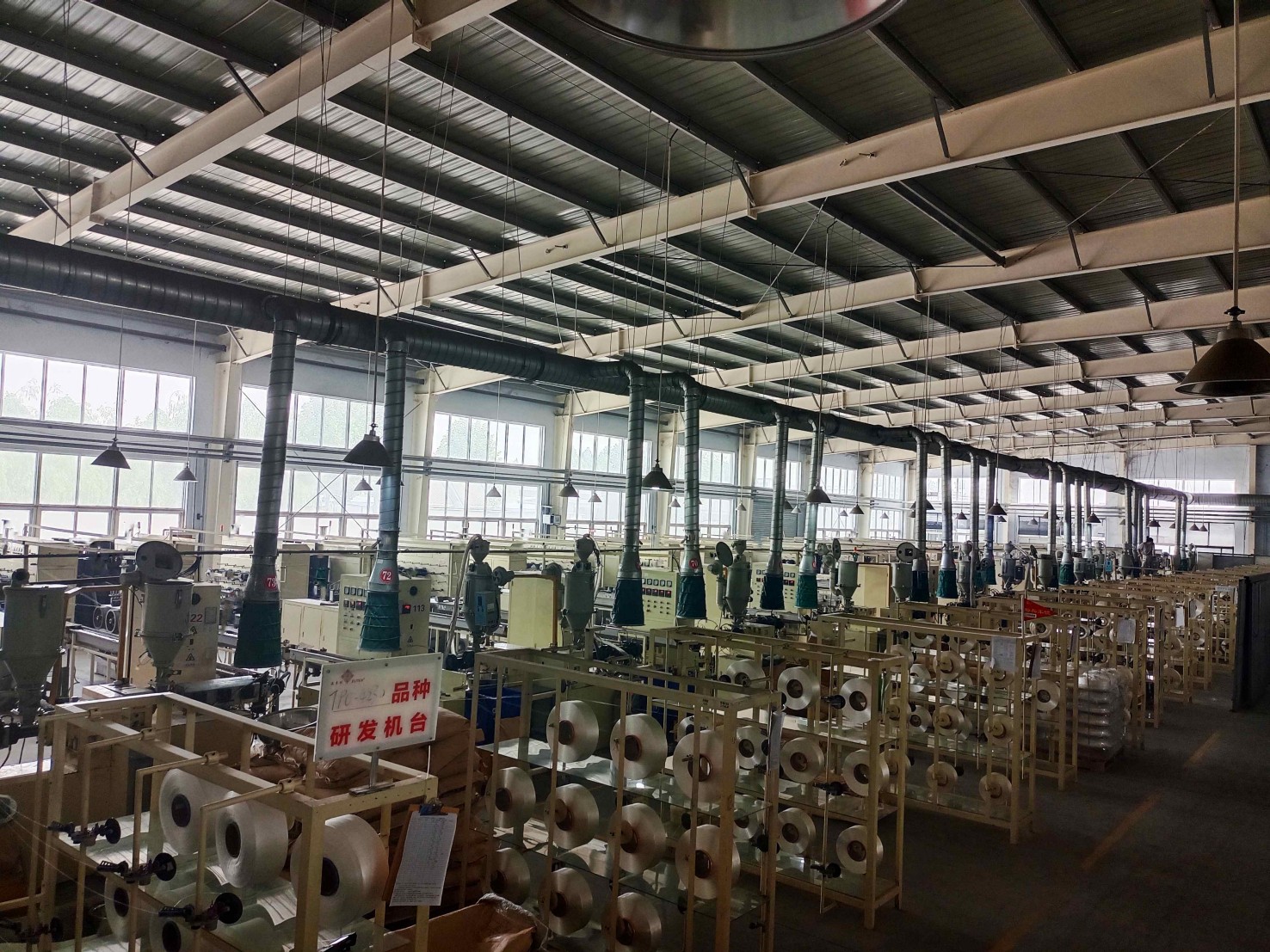
Not all blockout fabric manufacturers have the expertise to produce both paste and foam coated products at a consistent quality level. Elitex, established in 2003, operates purpose-built laboratories and uses “the first-class coating line in the world.” They also control raw material quality by using “top quality yarn to get the very good fabric strength & durability.”
Real-World Application Cases
Case 1: Hotel Chain – Full Blackout with Fire Safety
A major international hotel brand required 100% blockout fabrics for 5000 rooms, meeting both US Title 19 (California) and European EN 13773 Class 1. Elitex supplied paste coated blockout fabrics from their Dusk Series, which achieved a color fastness grade of 6-7 (ISO 105-B02) and passed all FR standards. The fabric’s dimensional stability ensured consistent window coverage across different climates.
Case 2: Residential Roman Blinds – Soft Drape & Opacity
A high-end interior design firm needed Roman blinds with full blackout capability but a soft, fabric-like appearance. Elitex provided foam coated blockout fabrics from the Dawn Series, which delivered the required opacity while draping beautifully for the roman fold. The foam coating eliminated crease marks after folding, preserving the aesthetic.
Case 3: Commercial Vertical Blinds – Stiffness & Light Control
An office building retrofit required vertical blinds that would not warp over time. Elitex’s paste coated vertical blinds fabrics offered the necessary stiffness and light-blocking performance. The fabrics also complied with GREENGUARD Gold certification, contributing to indoor environmental quality credits.
Frequently Asked Questions about Blockout Fabric Coating
Why Elitex (Dezhou) Co., Ltd. Is the Trusted Partner for Both Technologies
- 18+ years of specialization – Founded in 2003, Elitex has continuously invested in R&D for blockout, sunscreen, and decorative fabrics.
- In-house laboratory & quality control – Purpose-built labs constantly monitor product quality, ensuring consistent opacity and coating adhesion.
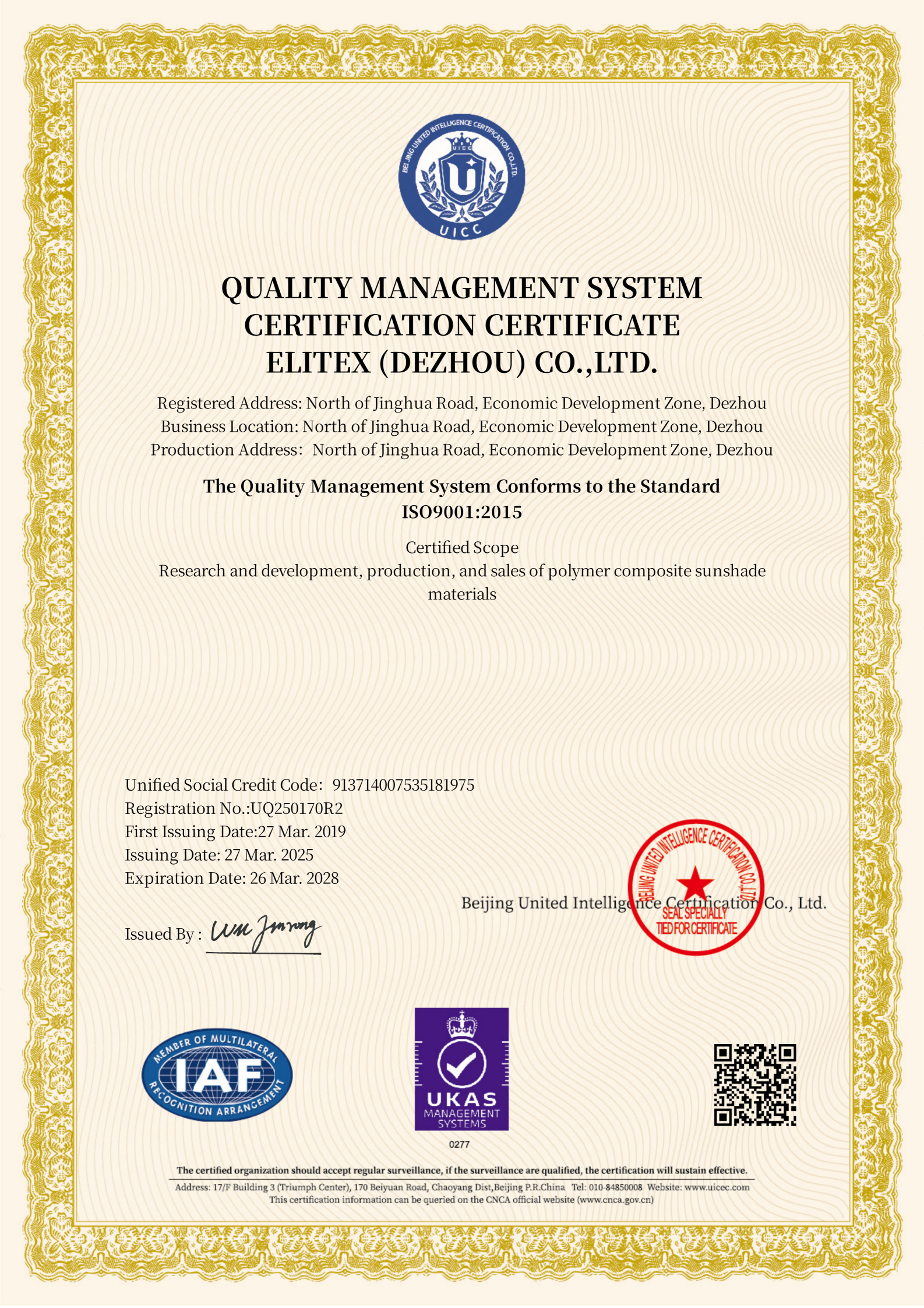
- Industry-leading certifications – GREENGUARD Gold, Oeko-Tex Standard 100, Cradle to Cradle, ISO 9001, ISO 14001, ISO 45001.
- Global partnerships – Elitex supplies to major names like Hunter Douglas, Springs Window Fashions, Mermet, and Lumino, proving its capabilities at scale.
- 5-year warranty – Confidence in product longevity.
Conclusion: Make an Informed Coating Decision for Your Blockout Fabrics
Choosing between paste coated and foam coated blockout fabrics depends on your application’s specific demands for opacity, handfeel, durability, and compliance. For roller and vertical blinds that require stiffness and long-term stability, paste coated blockout fabrics are the proven solution. For Roman blinds and decorative shades where softness and foldability are paramount, foam coated blockout fabrics deliver exceptional results.
With Elitex, you don’t have to compromise. As one of the few manufacturers that excel in both technologies, Elitex offers a comprehensive range of blockout fabrics, from Dusk Series (paste coated) to Dawn Series (foam coated), all backed by rigorous testing and global certifications.
Ready to select the ideal blockout fabric for your next project?
Contact Elitex today for technical specifications, samples, or a consultation tailored to your opacity, FR, and environmental requirements.
Tel/WhatsApp: +86-15865348778 | Email: georgezhao@eliteweaving.com