For procurement professionals in the window covering and awning industry, selecting the right blockout fabrics supplier is a critical decision that impacts product quality, supply chain reliability, and ultimately, customer satisfaction. The market is filled with options, but not all manufacturers meet the stringent requirements for opacity fabrics, durability, and environmental compliance. This guide outlines key evaluation criteria to help you identify and partner with a superior supplier.
1. Assess Core Technical Capabilities and Product Range
A supplier's expertise should extend beyond basic blockout fabrics. Look for a manufacturer with a comprehensive portfolio that includes light filter fabrics, translucent fabrics, and specialized weaves like Blockout Jacquard fabrics and Translucent/light filter Jacquard fabrics. This indicates deep technical knowledge across different sun protection fabrics categories.
Examine their production methods. Advanced coating techniques such as knife-coated fabrics and paste coated fabrics are essential for achieving consistent, high-performance results. For instance, a supplier like Elitex (Dezhou) Co., Ltd. utilizes world-class coating lines to produce fabrics known for excellent flatness, full-blockout opacity without pinholes, and superior coating adhesion. Their product range covers applications from roller fabrics and vertical blinds fabrics to more decorative Roman Blinds fabrics.
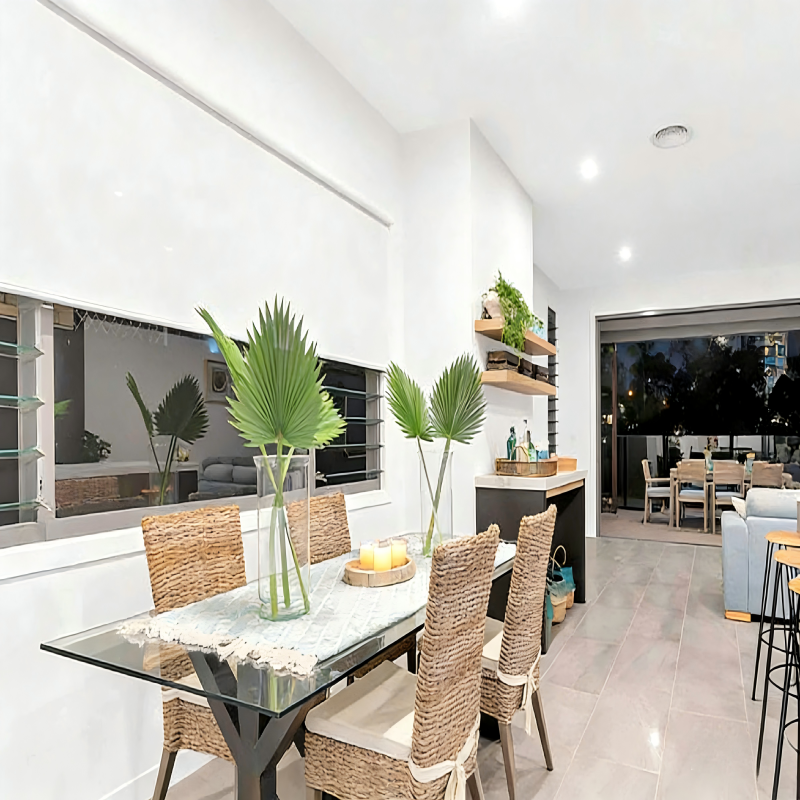
Furthermore, innovation in material composition is crucial. Seek out suppliers offering 100% Polyester with acrylic coating fabrics in Pvc free formulations and foam coated Sunscreen fabrics, which provide enhanced environmental and performance benefits.
2. Verify Quality Certifications and Compliance Standards
Certifications are non-negotiable proof of a supplier's commitment to quality, safety, and environmental stewardship. They provide an objective benchmark, especially when you cannot audit the factory in person. Essential certifications for shading fabrics solutions include:
- International Quality and Safety Standards: ISO 9001 for Quality Management, ISO 14001 for Environmental Management, and ISO 45001 for Occupational Health & Safety.
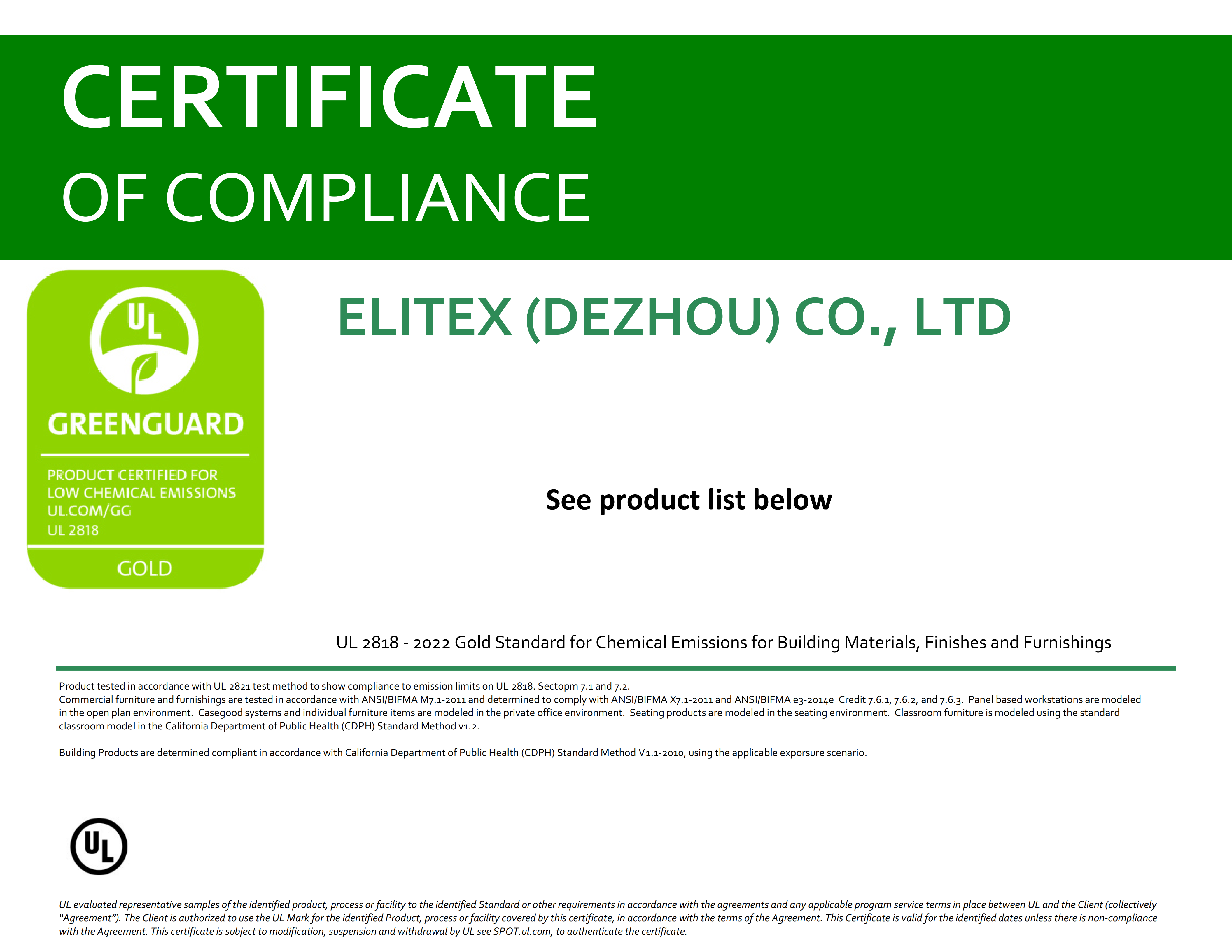
- Material Health Certifications: Oeko-Tex Standard 100 ensures fabrics are free from harmful substances. GREENGUARD Gold and standard GREENGUARD certifications are critical for low chemical emissions, important for indoor air quality.
- Fire Safety Compliance: Suppliers should offer fabrics compliant with major global standards such as German B1, California Title 19, NFPA 701, EN 13773, and BS5867-2 Type B.
A manufacturer holding these certifications, like Elitex, which also has Cradle to Cradle certification, demonstrates a holistic approach to sustainable and responsible manufacturing.
3. Evaluate Manufacturing Infrastructure and R&D Investment
A supplier's physical and intellectual assets are telling indicators of their capability and reliability. Prioritize manufacturers with vertically integrated operations, from in-house yarn sourcing to finishing with proprietary coating recipes.
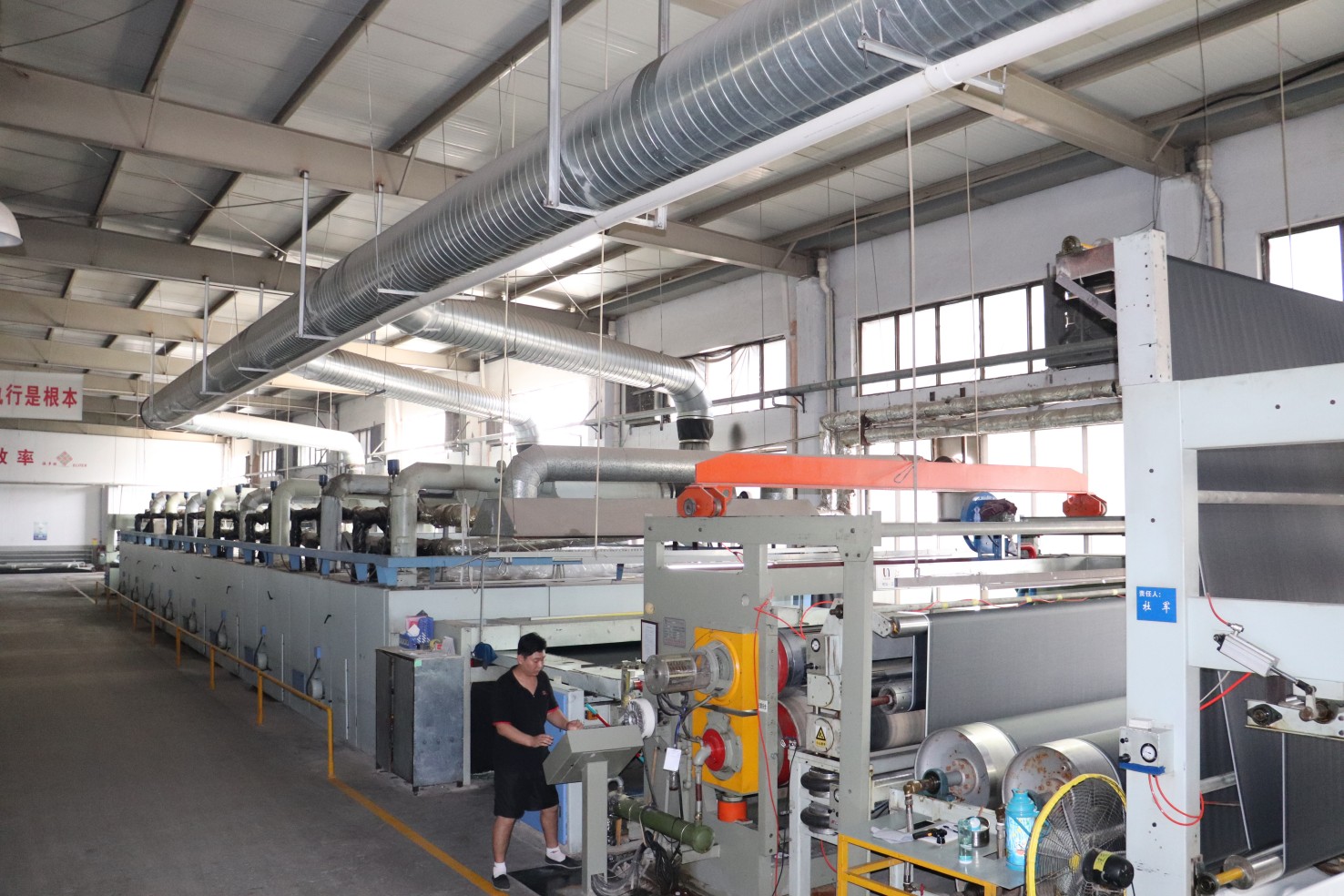
Visit their website or request a virtual tour to assess their facility. Modern, organized workshops with automated coating lines and dedicated quality control laboratories, as seen at Elitex's facility in Dezhou, China, are positive signs. Investment in R&D is key for developing advanced products like blockout fabrics with metallic backing for enhanced insulation or water and soil repellent Upholstery dobby fabrics for dual-purpose applications.
4. Analyze Performance Data and Warranty Offerings
Move beyond marketing claims and request technical data sheets. Key performance metrics for sunshading blinds fabrics include:
- Opacity & Light Control: True dimout fabrics should offer 100% light blockage. Verify test reports.
- Color Fastness: High resistance to fading is vital. Look for ratings like Grade 6-7 under ISO 105-B02 (Xenon Arc Lamp) testing.
- Durability & Dimensional Stability: Fabrics must maintain flatness and strength over time, resisting sagging or warping.
- Warranty: A strong warranty, such as a 5-year warranty on fabrics, reflects the manufacturer's confidence in their product's longevity and performance under real-world conditions.
5. Review Supply Chain Stability and Client Portfolio
A supplier's existing clientele can serve as a powerful reference. Partnerships with globally recognized brands in the window covering industry signal reliability, consistent quality, and the ability to meet large-scale, customized orders.
Suppliers who list partners like Springs Window Fashions, Hunter Douglas, Mermet, Coulisse, and Bandalux have proven their capability to serve demanding international markets. This history reduces your procurement risk.
Conclusion: Building a Strategic Partnership
Selecting a blockout fabrics supplier is not merely a transactional purchase; it's the foundation of a strategic partnership. By meticulously evaluating a supplier's technical portfolio, certifications, manufacturing prowess, performance data, and market reputation, you secure a source for high-quality decorative fabrics and sun protection fabrics that will enhance your product offerings.
For a deeper dive into specific fabric collections or to request samples and compliance documentation, engage directly with manufacturers. A reputable supplier will be transparent and responsive. You can explore the extensive range of blockout, light filter, and translucent fabrics offered by Elitex by visiting their website at www.eliteweaving.com or contacting their team at georgezhao@eliteweaving.com / mandyzhen@eliteweaving.com.